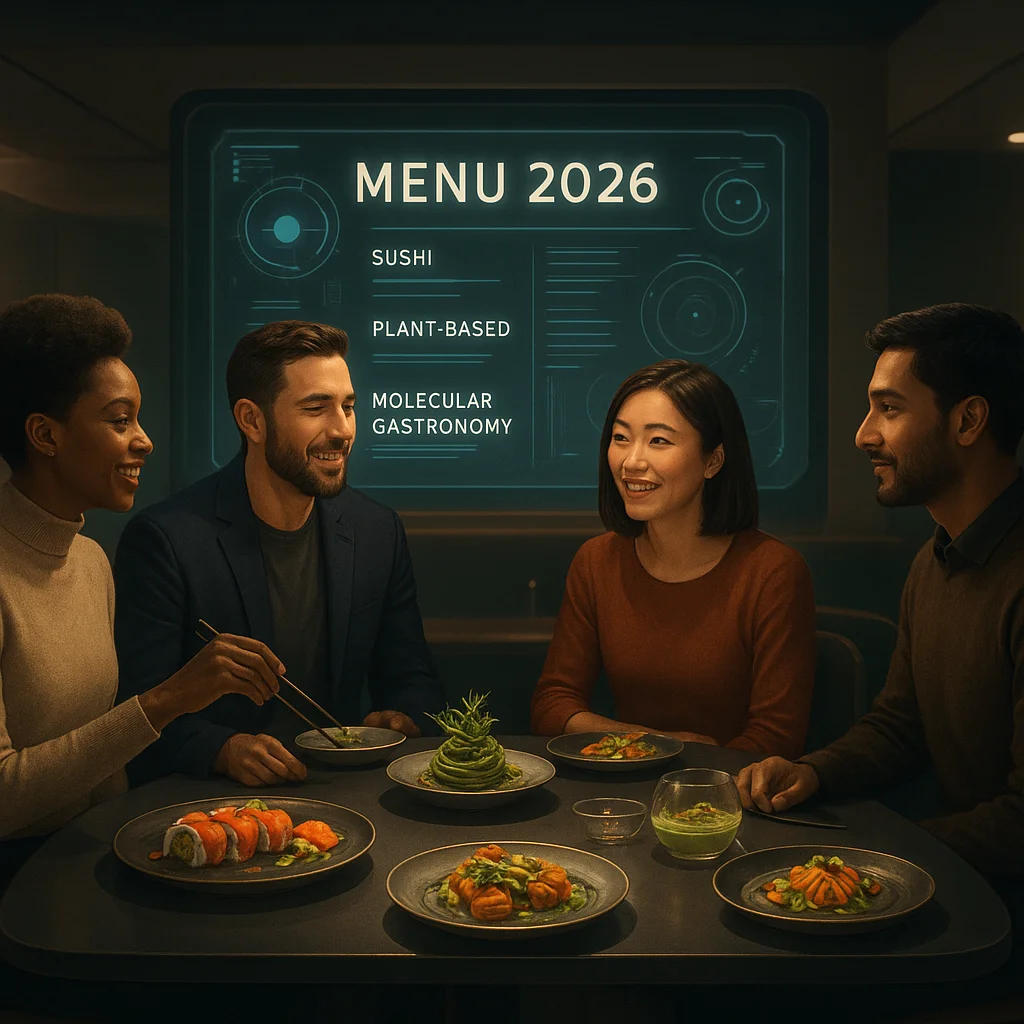

Setting the Table for 2026: A New Era in Global Dining
Picture a bustling restaurant in downtown Vancouver where a fusion of Pacific Northwest ingredients, cutting-edge technology, and sustainability takes center stage. Diners savor dishes crafted from locally foraged mushrooms, complemented by plant-based proteins and digitally curated wine pairings. This scene captures the essence of 2026’s global food trends, which are reshaping how restaurants operate and delight patrons worldwide. With consumers becoming increasingly conscious about health, environment, and culinary authenticity, restaurants must innovate to stay relevant.
According to a recent Yahoo Finance report, the fast food industry alone is projected to surge to $868.19 billion by 2030, driven largely by plant-based dining trends and automation. But this growth is not just about numbers; it’s about a deeper transformation in food culture that merges technology, ethics, and flavor explorations.
“Consumers today expect restaurants not only to serve delicious food but also to demonstrate responsibility towards the planet and adapt to their evolving nutritional needs,” says Maria Sanchez, a leading culinary futurist.
To understand these seismic shifts, we’ll explore the background of these trends, analyze new data, highlight current developments, and profile expert insights shaping the restaurant industry in 2026. Along the way, I’ll share stories that reflect how chefs and restaurateurs worldwide embrace these changes.
Tracing the Roots: How Global Food Trends Evolved to 2026
The trajectory of food trends leading to 2026 is a fascinating tale of cultural exchange, technological innovation, and growing environmental awareness. Over the past decade, the rise of social media platforms revolutionized how culinary ideas spread, accelerating the popularity of global cuisines and niche dietary preferences alike. The pandemic years also played a pivotal role, pushing restaurants to rethink supply chains, hygiene standards, and digital engagement.
Moreover, the 2020s witnessed a surge in plant-based diets, driven by scientific research connecting animal agriculture to climate change and health outcomes. Governments and NGOs worldwide began to promote sustainable eating habits, influencing consumer behavior profoundly. This shift is evident in the increasing availability of plant-based meat alternatives, which, in 2026, have reached levels of taste and texture that rival traditional proteins.
At the same time, technological advancements such as AI-powered kitchen automation and blockchain traceability systems enhanced efficiency and transparency in restaurants. These innovations not only reduced waste and improved food safety but also allowed chefs to experiment with novel flavor combinations and personalized menus.
- 2010-2020: Rise of plant-based and global fusion cuisines fueled by social media
- 2020-2023: Pandemic-induced digital transformation and supply chain resilience
- 2024-2026: Integration of AI, sustainability mandates, and hyper-local sourcing
This historical context sets the stage for understanding the comprehensive shifts in 2026’s restaurant landscape.
Decoding 2026’s Core Food Trends: Data and Dynamics
Several key trends dominate the global food scene in 2026, underpinned by robust market data and consumer insights. The Global Food Trends Shaping Restaurants in 2026 report highlights four pillars driving change: sustainability, health-centric menus, technological integration, and cultural authenticity.
Sustainability remains paramount. Over 68% of diners globally prioritize restaurants with transparent sourcing and waste reduction programs, according to a 2025 Nielsen study. This has propelled the rise of zero-waste kitchens and circular food systems in metropolitan hotspots like Amsterdam, Singapore, and Vancouver.
Health-focused eating continues to evolve beyond traditional diet labels. Consumers seek nutrient-dense, functional foods that support immunity, gut health, and mental wellness. This trend has led to the inclusion of adaptogens, sea vegetables, and fermented foods on menus worldwide.
Technology is no longer just a back-of-house tool. AI-driven recommendation engines personalize dining experiences, while robotics handle repetitive tasks, improving speed and hygiene. Cloud kitchens and augmented reality menus offer new ways for restaurants to connect with customers.
Cultural authenticity fuels adventurous dining. Chefs delve deeper into their heritage, reviving indigenous recipes and spotlighting underrepresented cuisines. This movement enriches menus and fosters inclusivity in global food culture.
“In 2026, food is a dialogue between tradition and innovation, health and pleasure, local roots and global reach,” notes Chef Mei Ling, whose Vancouver restaurant blends Cantonese heritage with Pacific Northwest foraging.
- 68% of global diners demand sustainability practices (Nielsen, 2025)
- 45% increase in plant-based menu offerings since 2023 (Statista)
- 30% of restaurants employ AI-powered kitchen automation (Industry Report 2026)
- 25% growth in fermented and functional food sales (MarketWatch 2026)
These figures underscore the multi-dimensional nature of 2026’s food trends shaping the restaurant sector.
2026 in Action: Current Developments Revolutionizing Restaurants
Walking into a restaurant in 2026, you’ll notice several tangible changes driven by these emerging trends. In cities like Cape Town, inspired by insights shared in the GQ South Africa 2026 food trends article, chefs incorporate rare indigenous ingredients such as rooibos and marula fruit, elevating local cuisine to global acclaim.
Meanwhile, automation is transforming kitchens. From robotic arms flipping burgers to AI monitoring ingredient freshness, efficiency has skyrocketed. These innovations help restaurants manage labor shortages and maintain consistent quality. In Vancouver, a bustling restaurant I visited recently uses AI-driven inventory systems to reduce food waste by 40%, reflecting a broader industry push.
Plant-based dining is now mainstream rather than niche. Restaurants feature whole-food plant proteins like jackfruit and mycoprotein alongside cultured meats grown in bioreactors. This diversification caters to flexitarians and environmentally conscious consumers alike.
Moreover, the digital experience extends beyond ordering. Augmented reality menus let diners visualize dishes on their tables before deciding, enhancing engagement and reducing order errors. Loyalty programs are increasingly personalized using AI to tailor rewards and promotions, deepening customer relationships.
- Integration of indigenous and hyper-local ingredients
- Robotics and AI automation in kitchens and supply chains
- Expansion of cultured and whole-food plant-based proteins
- Immersive digital dining experiences with AR menus
“Restaurants embracing technology and sustainability simultaneously are the ones thriving in 2026,” states industry analyst David Kim.
These developments illustrate how theory translates into the restaurant experience today.
Voices from the Field: Expert Perspectives and Industry Impact
To capture the pulse of 2026’s trends, I spoke with several industry leaders whose work exemplifies these shifts. Chef Anika Patel of a Michelin-starred restaurant in London emphasized the importance of authenticity and local sourcing. “Our clients crave genuine stories behind their food. It’s not just about taste but connection. We source everything within 100 miles and celebrate regional farmers.”
Meanwhile, technology entrepreneur Lucas Tran, founder of a kitchen automation startup in San Francisco, highlighted AI’s role in operational excellence. “AI doesn’t replace chefs; it empowers them to focus on creativity by handling repetitive tasks and data analytics. This leads to more innovative menus and consistent quality.”
Nutritionist Dr. Emily Ortega noted a shift towards holistic health in dining. “Consumers want foods that support their overall well-being, not just calorie counts. This includes mental health benefits, gut microbiome balance, and anti-inflammatory properties. Restaurants incorporating these elements see stronger customer loyalty.”
These expert insights confirm that 2026’s food trends are multifaceted, blending culinary art, science, and ethics. They also impact restaurant economics, with sustainable and tech-savvy establishments reporting higher profit margins and customer retention.
- Emphasis on storytelling and local sourcing for authentic experiences
- AI as a creative enabler, not a replacement
- Holistic health integrated into menu design
- Positive economic returns linked to sustainability and innovation
For a deeper dive on how nutrition trends influence food, see this analysis on WriteUpCafe.
Looking Ahead: What to Watch in Global Food Trends Beyond 2026
The momentum behind 2026’s trends suggests several trajectories restaurants should prepare for. First, sustainability will deepen with the rise of regenerative agriculture and closed-loop food systems, potentially transforming supply chains globally. Expect more collaborations between chefs and farmers to co-create resilient ecosystems.
Second, personalization will become highly sophisticated. Advances in genomics and AI may allow restaurants to tailor meals to individual genetic profiles and health goals, ushering in a new era of precision dining.
Third, cultural inclusivity will expand with virtual and hybrid dining experiences connecting diverse communities worldwide. These platforms will enable immersive storytelling and cross-cultural exchanges beyond physical walls.
Finally, emerging protein sources such as insect-based foods and cellular agriculture will gain mainstream acceptance, driven by environmental necessity and culinary innovation.
“The future of food is a tapestry woven from tradition, science, and technology, designed to nourish both people and planet,” reflects Emma Liu, food writer and cultural commentator.
For restaurateurs looking to stay ahead, embracing change while honoring culinary heritage is key. Exploring trends like those outlined in Mexican food culture shifts and adapting to evolving customer preferences as documented in Al Ain restaurant trends will provide valuable insights.
- Growth of regenerative and circular food systems
- Precision dining tailored to genetics and wellness
- Expansion of virtual and hybrid culinary experiences
- Mainstream acceptance of novel protein sources
These emerging patterns promise to keep the restaurant industry dynamic and responsive to global challenges and opportunities.































Sign in to leave a comment.