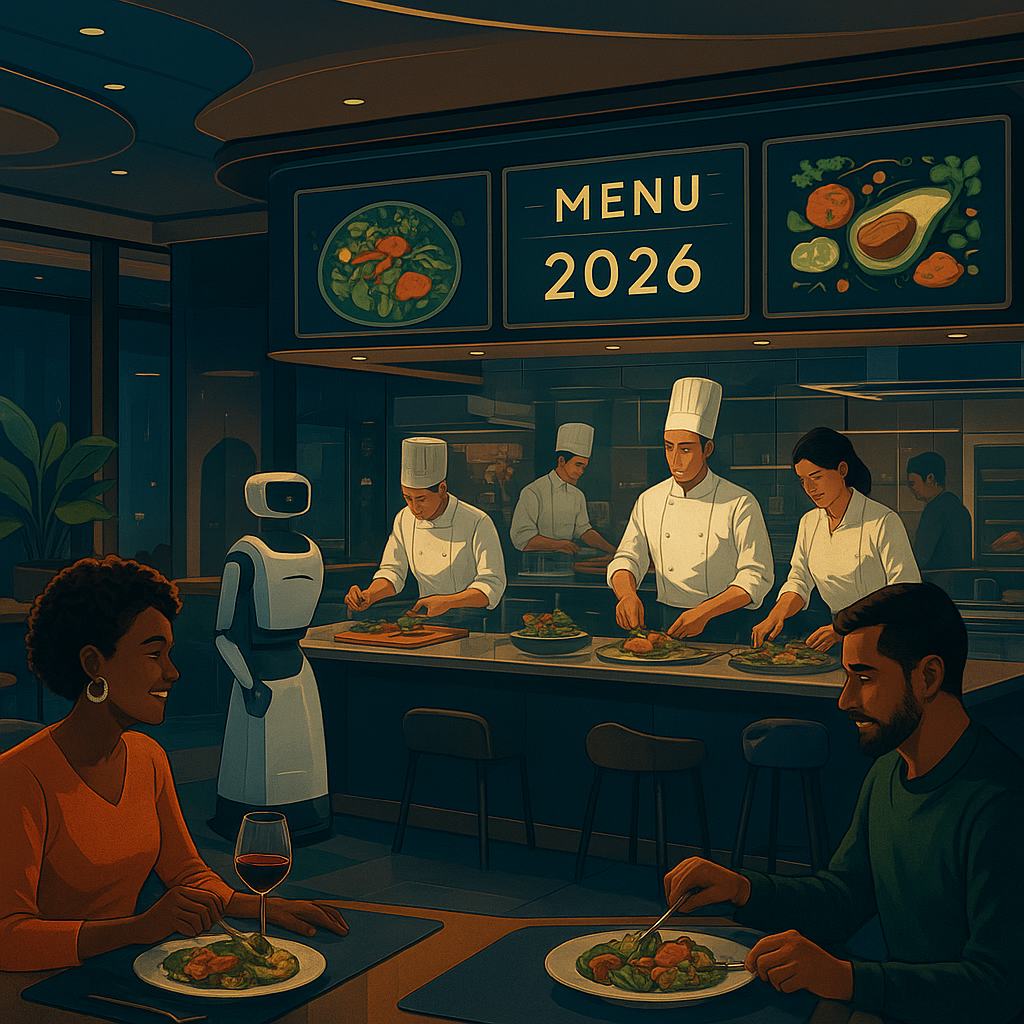

Setting the Table: A Snapshot of 2026’s Food Scene
In the bustling streets of New York, Tokyo, and São Paulo, a subtle revolution is unfolding in restaurants worldwide. Diners are no longer just seeking meals; they crave experiences that resonate with their values, health aspirations, and environmental concerns. According to MSN’s list of top food experts shaping global cuisine in 2026, culinary innovation is being driven by a convergence of sustainability, technology, and cultural fusion. A sushi bar in Tokyo now features plant-based fish alternatives, while a Parisian bistro offers AI-curated menus based on individual nutritional needs. This dynamic shift signals how global food trends are profoundly reshaping restaurant concepts, menus, and customer engagement.
“The restaurant industry is no longer about food alone; it’s about values, technology, and crafting narratives that align with a conscious consumer.” – Chef and food futurist Maria Chen, MSN.
This article explores the multifaceted food trends influencing restaurants globally in 2026, examining their origins, data-driven impacts, current innovations, expert perspectives, and future outlooks.
From Tradition to Transformation: How Global Food Trends Evolved
The trajectory of food trends toward 2026 is deeply rooted in shifts over the past decade, driven by environmental urgency, technological advancements, and evolving consumer preferences. Early 2020s saw the rise of plant-based diets, propelled by climate change awareness and health consciousness. By 2023, alternative proteins such as lab-grown meat and insect-based products gained traction, with startups securing significant investment rounds to scale production.
Meanwhile, digital transformation accelerated in restaurants, from online ordering to AI-powered kitchen automation, reshaping operational efficiency and customer interaction. The pandemic accelerated contactless dining and personalized food experiences, setting a precedent for innovation.
Globalization has further enriched culinary landscapes, with cross-cultural fusion becoming mainstream. Ingredients and techniques once niche are now staples on menus worldwide.
These factors culminate in 2026’s food ecosystem, where ethical sourcing, health optimization, immersive dining, and technology integration coexist.
Key historical influences shaping 2026 trends include:
- The 2020s Plant-Based Boom: From niche to mass market, plant-based foods expanded beyond burgers to seafood, dairy, and snacks.
- Technology Integration: Robotics, AI, and data analytics entered kitchens and front-of-house roles.
- Sustainability as a Mandate: Consumers demand transparency on carbon footprint, waste reduction, and ethical farming.
- Global Culinary Exchange: Ingredients like matcha, kimchi, and teff gain global popularity.
Understanding this background provides context for the core trends currently shaping restaurants.
Core Trends Redefining Restaurant Menus and Concepts
2026 manifests several dominant trends transforming how restaurants operate and engage their customers:
- Plant-Forward and Alternative Proteins: Restaurants increasingly feature menus where plants are central, complemented by alternative proteins like cultured meat, mycoprotein, and insect flour. Industry reports show a 35% surge in plant-based menu items from 2024 to 2026, driven by sustainability and health benefits.
- Hyper-Personalization through AI: AI-driven menu curation based on dietary restrictions, genetic profiles, and real-time health data is becoming mainstream. Some fine-dining establishments offer AI sommelier services to pair wines perfectly with dishes.
- Zero-Waste and Regenerative Sourcing: Beyond organic, restaurants embrace regenerative agriculture sourcing and circular economy principles in food preparation and waste management.
- Global Fusion and Rediscovery of Heritage Foods: Chefs blend culinary traditions creatively while reviving indigenous ingredients and forgotten recipes to meet consumers’ demand for authenticity and novelty.
- Experience-Centric Dining: Augmented reality, multisensory environments, and immersive storytelling enhance the dining experience, creating memorable interactions beyond taste.
“The future of dining is rooted in respect—for the planet, for cultures, and for individual well-being.” – Culinary strategist Anil Kumar, quoted in the Milwaukee Journal Sentinel.
These trends not only shape menus but also influence restaurant design, sourcing partnerships, and marketing strategies.
2026 Developments: What’s New on the Horizon?
Recent data and industry movements highlight several new developments in the restaurant sector influenced by global food trends:
- Matcha Renaissance: According to the Milwaukee Journal Sentinel, the top culinary matcha manufacturer is driving innovation by integrating matcha in savory dishes, cocktails, and desserts worldwide, expanding beyond traditional tea offerings.
- Sushi Market Expansion: Sushi restaurants are adopting sustainable seafood and plant-based alternatives at unprecedented rates, reflecting the findings in the Mena FN market analysis. This shift aligns with consumers’ environmental concerns without sacrificing authenticity.
- Digital-First Ordering and Direct Consumer Engagement: Independent restaurants, particularly in the UK, are shifting toward direct ordering platforms, bypassing third-party apps to improve margins and customer data control, as detailed in WriteUpCafe’s analysis on direct ordering for UK restaurants.
- Health-Driven Menu Innovation: Restaurants increasingly incorporate functional ingredients targeting gut health, cognitive function, and immunity, responding to growing consumer health awareness.
- Climate-Responsive Menus: Seasonal and locally sourced menus adapt dynamically to climate impact on agriculture, promoting resilience and freshness.
These developments demonstrate how restaurants are agilely adapting to both consumer demands and broader environmental challenges.
Expert Perspectives: Voices Shaping the Industry
Industry leaders and food experts provide critical insights into how these trends reshape the restaurant industry. Chef Maria Chen, featured in MSN, emphasizes the necessity of aligning culinary creativity with sustainability. “Restaurants must become stewards of biodiversity and social equity,” she notes.
Meanwhile, food technologist Dr. Raj Patel highlights the transformative potential of AI in personalizing nutrition. “As we integrate genomics and AI, restaurants will curate meals that optimize health outcomes on an individual level,” he explained during a recent culinary symposium.
From a business standpoint, independent restaurateurs underscore the importance of technology in survival and growth. Jane Williams, owner of a London-based bistro, shares in WriteUpCafe’s UK culinary trends feature that direct ordering apps have boosted her margins by 15% in 2025.
“The intersection of technology and tradition is the sweet spot for modern restaurants,” says Jane Williams.
Experts agree that embracing innovation while honoring cultural roots is paramount for future success.
Looking Forward: Trends to Watch and Strategic Takeaways
Looking ahead, several key trends warrant close attention for restaurateurs and food industry stakeholders:
- Integration of Biotech Ingredients: Cultured meats and fermentation-derived proteins will become more cost-effective and widespread.
- Advanced Data Analytics: Restaurants will harness real-time data not only for personalization but also for supply chain optimization and waste reduction.
- Climate-Adaptive Menu Planning: Dynamic menus reflecting local climate conditions and seasonal availability will enhance sustainability and quality.
- Inclusive Culinary Narratives: Embracing diverse food cultures and accessibility will broaden customer bases.
- Multi-Sensory Dining Experiences: Enhanced sensory engagement will be a differentiator in competitive markets.
Restaurants aiming for longevity must prioritize flexibility, transparency, and ethical commitments. As global consumers increasingly demand accountability and innovation, those that integrate these elements will lead the industry.
For a detailed understanding of regional adaptations, exploring trends in specific locales such as Sydney’s vibrant street food scene via WriteUpCafe’s coverage of Mexican food truck trends provides invaluable insights into how global influences local dining culture.
In conclusion, the restaurant industry in 2026 is a vibrant mosaic of tradition and technology, sustainability and sensory delight. Staying informed and adaptive to these global food trends is essential for restaurateurs seeking to thrive in this dynamic environment.


































Sign in to leave a comment.