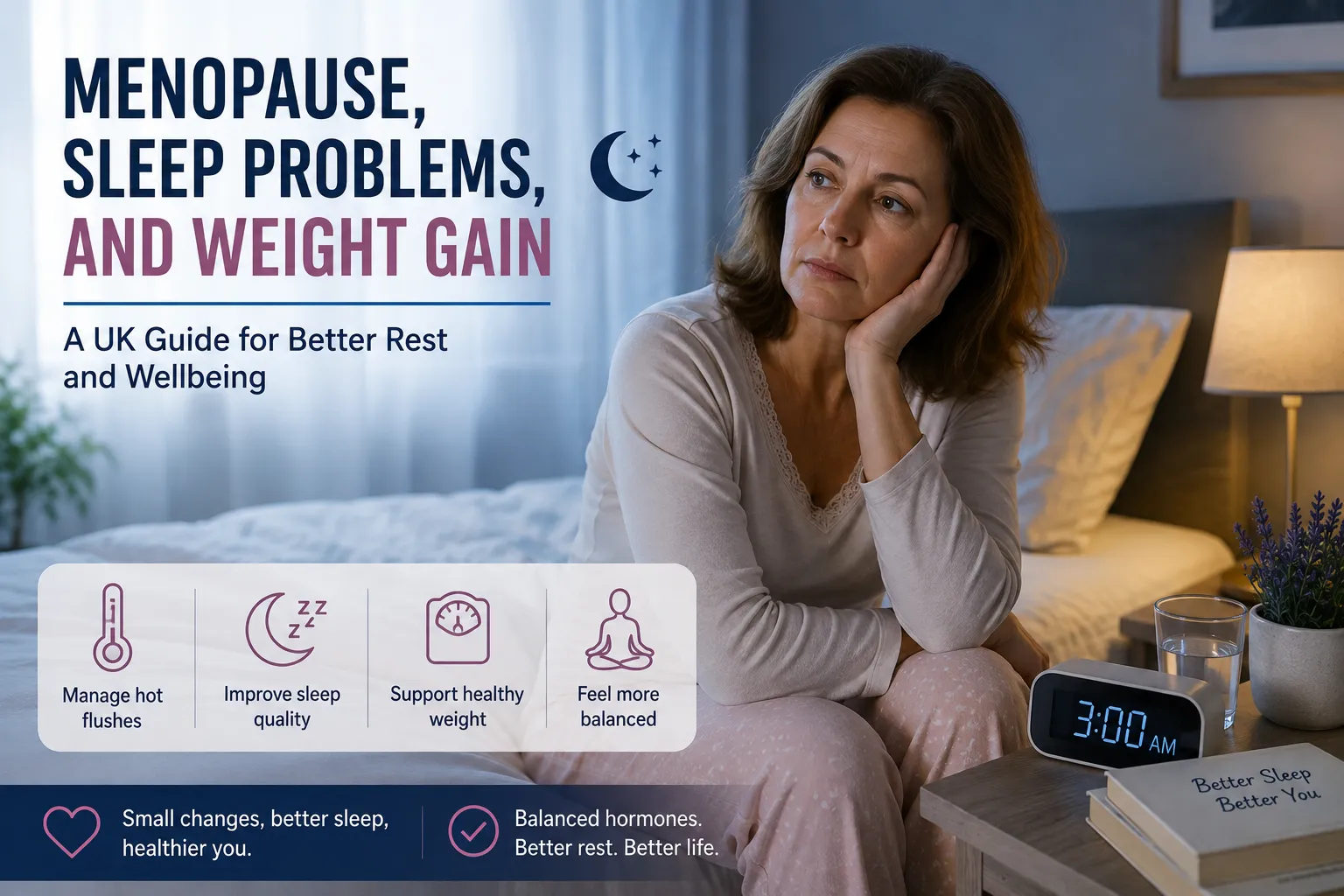

For many women in their 40s and 50s, the transition into menopause brings a frustrating and often unexpected challenge: suddenly struggling to sleep, coupled with stubborn weight gain around the midsection. Understanding best sleep habits during this stage can help women create a healthier nighttime routine and better manage the effects of disrupted sleep.
Sleep problems UK are remarkably common during perimenopause and menopause, but they are rarely given the medical attention they deserve. The intersection of declining hormones, disrupted sleep, and changes in body composition creates a difficult cycle that can severely impact a woman's quality of life. Here is what is happening inside your body and how you can manage it safely.
Best Sleep Habits: Why Menopause Triggers Nighttime Wakefulness
To find relief, it helps to understand the physiological shifts occurring during this time. Menopause does not just stop your periods; it causes significant changes in hormone levels, nervous system function, and temperature regulation.
The Oestrogen and Progesterone Drop
Oestrogen and progesterone play important roles in sleep regulation. Progesterone has calming effects, so declining levels during menopause may contribute to difficulty falling asleep or staying asleep.
Oestrogen also helps regulate body temperature and influences several processes involved in mood and sleep. As oestrogen levels fluctuate and decline, some women experience lighter or more easily disrupted sleep.
Hot Flushes and Night Sweats
Hot flushes and night sweats are common during perimenopause and menopause. These symptoms can cause a sudden feeling of heat and sweating, pulling you out of comfortable sleep.
Even brief awakenings can make sleep feel less restorative, particularly when they happen repeatedly throughout the night. Managing bedroom temperature and developing best sleep habits can therefore be especially useful for women experiencing nighttime temperature changes.
The Vicious Cycle: Poor Sleep and Midlife Weight Gain
The link between menopausal sleep issues and weight gain can work in both directions.
Hormonal changes during menopause can influence where the body stores fat, with more weight commonly accumulating around the abdomen. At the same time, consistently poor sleep may affect appetite regulation, food choices, energy levels, and motivation to remain physically active.
Sleep deprivation can influence hormones involved in hunger and fullness, potentially increasing cravings and making high-calorie foods more appealing. Fatigue can also make regular exercise feel more difficult.
For menopausal women, this can create a frustrating cycle of daytime tiredness, increased appetite, reduced activity, and further sleep disruption.
Tailoring Sleep Hygiene for Menopause
Standard sleep hygiene advice is helpful, but menopausal women may benefit from more targeted strategies. Creating a consistent bedtime routine, keeping the bedroom comfortable, and avoiding habits that interfere with sleep can all support better rest.
Temperature Regulation
Because hot flushes are a major sleep disruptor during menopause, bedroom temperature is important. Keep the room comfortably cool and consider breathable bedding made from materials such as cotton.
Light, layered sleepwear can also make it easier to adjust your clothing during a hot flush without completely waking yourself up.
Daytime Movement
Although you may feel too tired to exercise, regular physical activity can support sleep, mood, cardiovascular health, and muscle maintenance during menopause.
Walking, strength training, swimming, cycling, or other enjoyable activities can be incorporated into your routine. However, if vigorous exercise makes you feel more alert or overheated at night, finish it several hours before bedtime.
These practical changes can become part of your best sleep habits, especially when combined with a consistent wake-up time and relaxing evening routine.
Medical Support and CBT for Insomnia
If lifestyle adjustments are not enough, you do not have to simply put up with persistent sleep problems. Effective treatments are available, and a healthcare professional can help identify the most appropriate option.
CBT for Insomnia
CBT for insomnia can be particularly useful when menopause has created a cycle of sleep anxiety. You may begin to worry about not sleeping before you even get into bed, which can increase alertness and make sleep more difficult.
CBT-I uses structured techniques to change unhelpful sleep thoughts and behaviours. It can help you develop healthier associations with your bed and improve confidence around sleep.
Hormone Replacement Therapy (HRT)
For women whose sleep is significantly affected by menopausal symptoms such as hot flushes and night sweats, HRT may be an option to discuss with a GP.
HRT is primarily used to manage menopausal symptoms rather than directly promote weight loss. Whether it is suitable depends on your individual circumstances, medical history, age, and other risk factors. A healthcare professional can explain the potential benefits and risks.
When to See a GP About Menopausal Insomnia
You should consider speaking to a GP if your sleep problems continue for several weeks, affect your ability to work or care for your family, or occur alongside other symptoms that are significantly affecting your quality of life.
A GP can help develop a personalised approach to sleep disorder treatment. This may include advice about CBT-I, discussion of HRT where appropriate, or assessment for other conditions such as sleep apnoea, which can become more common after menopause.
Developing best sleep habits is useful, but persistent or severe insomnia should not always be treated as a lifestyle issue alone. Professional assessment can help identify the underlying cause.
Frequently Asked Questions (FAQ)
Will HRT help me lose menopausal weight?
HRT is prescribed primarily to manage menopausal symptoms such as hot flushes and night sweats rather than as a weight-loss treatment. Improving these symptoms may help some women sleep better and feel more able to stay physically active, which can support overall weight management.
Why do I wake up at 3 AM every night during menopause?
Early-morning waking can have several causes during menopause, including night sweats, changes in sleep patterns, stress, anxiety, and hormonal fluctuations. It is not necessarily caused by one specific hormone or cortisol spike. If it happens regularly, discuss it with your GP.
Are herbal sleep remedies safe to take with HRT?
Not always. Some herbal products can interact with medicines, including HRT. St John's Wort, for example, can affect how certain medicines are processed by the body.
Always speak with a pharmacist or GP before combining herbal supplements with HRT or other prescription medicines.





























Sign in to leave a comment.