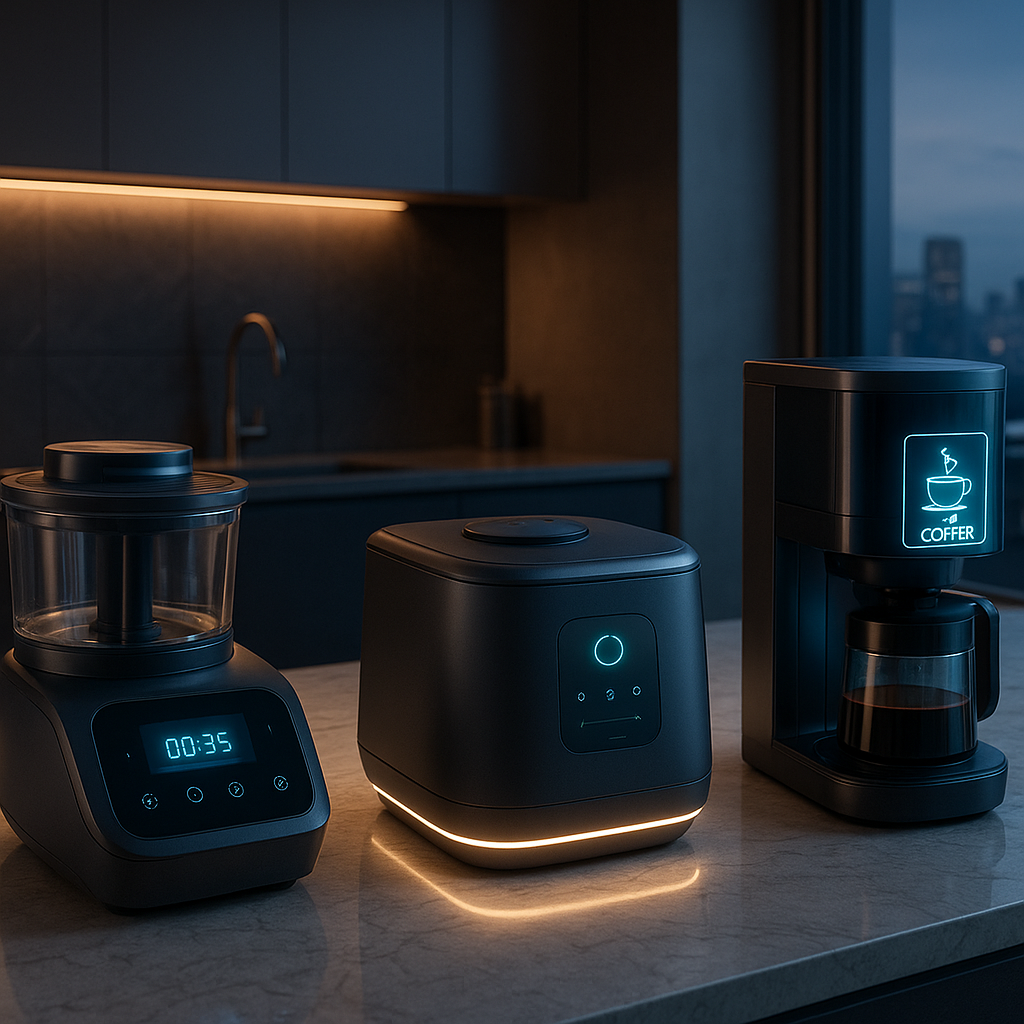

Revolutionizing Meal Prep: The Rise of Time-Saving Kitchen Gadgets
Picture a bustling weekday evening in 2026: after a long day, many home cooks face the challenge of preparing a wholesome meal quickly without sacrificing quality or nutrition. The kitchen, once a place of laborious chopping, peeling, and waiting, has transformed into a hub of smart efficiency thanks to innovative gadgets that shave precious minutes off preparation and cooking times. According to a recent survey by the National Kitchen Appliance Association, over 68% of American households now own at least one kitchen gadget designed explicitly to save time. This trend reflects a broader shift in consumer priorities, where convenience and speed are as valued as flavor and health.
Not long ago, kitchen tasks were manual and time-consuming. Today, technology and design advances have converged to create tools that streamline everything from ingredient prep to cooking and cleaning. From AI-powered smart ovens that adjust cooking parameters autonomously to multifunctional food processors that chop, blend, and knead with minimal fuss, these gadgets are reshaping how we approach home cooking.
“The integration of smart technology with traditional kitchen tools has created a new era where efficiency and culinary creativity coexist, allowing cooks to spend less time on prep and more on enjoying their meals,” says Chef Lina Morales, a culinary technology consultant based in San Francisco.
This article explores the best kitchen gadgets in 2026 that save time, backed by data, expert insights, and current trends. We will also consider the implications these innovations have for everyday cooking and the broader food culture.
From Manual to Smart: The Evolution of Kitchen Gadgets
The journey to today’s time-saving kitchen gadgets is rooted in decades of innovation driven by evolving lifestyles. In the mid-20th century, the introduction of electric mixers and food processors began to reduce manual labor in the kitchen. However, these early devices were often bulky and limited in scope.
It was the digital revolution of the early 21st century that truly accelerated change. The rise of connected devices and smart home technology introduced appliances with programmable settings, voice control, and real-time feedback. By the 2020s, the kitchen had become one of the most tech-integrated rooms in many homes, with IoT-enabled gadgets interacting seamlessly.
Key milestones include:
- 2000s: Emergence of multifunctional food processors and early programmable slow cookers.
- 2010s: Smart ovens and Wi-Fi connected appliances debut, enabling remote control.
- 2020s: AI integration and sensor-driven automation become standard in mid to high-end kitchen gadgets.
These developments culminated in gadgets that not only perform tasks faster but also reduce errors and optimize cooking processes. For example, the proliferation of smart sous-vide machines allows precise temperature control, dramatically cutting down guesswork and trial and error.
The cultural shift toward healthier, home-cooked meals paired with increasingly busy schedules has spurred demand for these innovations. Consumers want tools that simplify prep and reduce cleanup, allowing them to maintain culinary standards without sacrificing time.
For readers interested in cost-effective home improvements, exploring ways to save money on kitchen cabinets can complement gadget upgrades for an overall efficient kitchen environment.
Top Time-Saving Kitchen Gadgets of 2026: Features and Benefits
In 2026, the best kitchen gadgets combine smart functionality with ergonomic design to maximize speed and ease. Below we analyze some standout devices that have gained popularity for their ability to streamline cooking.
- Smart Multi-Cookers: These devices, such as the Instant Pot Smart Max, integrate pressure cooking, slow cooking, air frying, and sous-vide functions with app-based controls. Users can program meals remotely or select from AI-generated recipes optimized for time and taste.
- Electric Spiralizers with Auto-Cut: Spiralizers that automatically cut vegetables into uniform spirals reduce prep time for salads and low-carb dishes, replacing manual slicing which is often uneven and slow.
- Robotic Kitchen Assistants: Robots like the Moley Robotic Kitchen can prepare a range of dishes from scratch by mimicking human cooking techniques. Though premium-priced, they drastically reduce active cooking time by managing multiple tasks simultaneously.
- Smart Food Processors: Modern food processors feature built-in scales, variable speed control, and detachable bowls for quick ingredient weighing and processing without switching tools.
- Automatic Pan Stirrer with Timer: This gadget stirs sauces, soups, and risottos automatically, freeing cooks to multitask without worrying about burning or uneven cooking.
According to data from AOL’s 2026 kitchen gadget review, these innovations can reduce meal prep and cooking times by up to 40% compared to traditional methods.
“The smart multi-cooker has revolutionized weeknight dinners by condensing multiple steps into one device, saving not just time but also kitchen space,” notes culinary tech analyst Mark Johnson.
These gadgets also emphasize safety and energy efficiency. For example, induction-based smart cooktops heat food rapidly while minimizing wasted heat, contributing to faster cooking and reduced energy consumption.
For those balancing busy schedules and outdoor activities, pairing kitchen efficiency with organized travel can be beneficial. Readers may find insights in Tech-Savvy Camping Gear offers for managing time beyond the kitchen.
2026 Innovations and Trends in Kitchen Technology
The kitchen gadget market in 2026 is characterized by the fusion of AI, sustainability, and user-centric design. The latest models are not only faster but also smarter, adapting to user preferences and reducing waste.
Notable developments include:
- AI-Powered Recipe Customization: Gadgets now analyze dietary restrictions, available ingredients, and nutritional goals to suggest optimized meal plans and cooking instructions.
- Voice and Gesture Controls: Hands-free operation is increasingly common, allowing cooks to control devices without stopping prep work, eliminating contamination risks.
- Eco-Friendly Materials and Energy Use: Manufacturers focus on biodegradable components and energy-efficient motors, aligning with consumer demand for greener products.
- Compact and Modular Designs: Space-saving designs cater to urban kitchens, enabling multiple functions in a single device that can be expanded with add-ons.
These trends reflect broader societal shifts toward personalization and environmental responsibility. For example, the rise of smart compost bins integrated into kitchen counters helps manage organic waste efficiently, a feature lauded by environmental groups.
Industry giants like Samsung and Whirlpool have launched smart kitchen ecosystems where appliances communicate via cloud platforms, allowing centralized control and data sharing. This connectivity enhances predictive maintenance and usage analytics, helping users further reduce time and effort.
In the context of these advances, it is important to consider how these gadgets fit into daily routines and lifestyles. Insights from Top Tips to Save Money and Time with Best Rent a Car Islamabad illustrate how integrating technology across different life areas can compound time savings.
Expert Perspectives: How Time-Saving Gadgets Impact Culinary Practices
Experts across culinary and technology fields recognize that time-saving kitchen gadgets are reshaping not only cooking methods but also food culture and habits.
“These gadgets democratize cooking by lowering the barrier to entry for complex dishes and reducing the intimidation factor for novice cooks,” explains Dr. Sheila Kumar, professor of Food Science at New York University.
Professional chefs highlight that while traditional skills remain important, gadgets enable more precise control and speed. The impact is especially notable in home kitchens where time constraints previously limited meal variety.
From a nutritional standpoint, faster prep times encourage more home cooking, which generally results in healthier meals compared to takeout or processed foods. A 2025 study published in the Journal of Culinary Science found that households using smart kitchen gadgets increased their vegetable intake by 28%.
However, experts caution about over-reliance on technology potentially diminishing foundational cooking skills. Balancing gadget use with manual techniques is encouraged to maintain culinary literacy.
Manufacturers and culinary educators are responding by offering hybrid training programs that integrate gadget use with traditional cooking classes, ensuring users gain comprehensive skills.
Looking Ahead: What to Expect from Kitchen Gadgets in the Next Five Years
As we move beyond 2026, several developments promise to further enhance kitchen efficiency and convenience. Anticipated innovations include:
- Greater AI Integration: Future gadgets will incorporate advanced machine learning to predict meal preferences, automate grocery ordering, and manage inventory.
- Augmented Reality (AR) Cooking Assistants: AR glasses and displays will provide real-time visual guidance overlaying the cooking process, reducing errors and speeding learning curves.
- Zero-Waste Smart Appliances: Devices will better utilize leftovers and byproducts, turning scraps into new ingredients or compost, advancing sustainability goals.
- Personalized Nutrition Optimization: Kitchen gadgets will collaborate with health wearables to tailor meals based on real-time biometric data.
Additionally, affordability and accessibility will improve as manufacturers scale technology and streamline production. This democratization will make time-saving gadgets a staple even in modest kitchens worldwide.
“The future kitchen will be an intelligent environment that anticipates needs, minimizes waste, and maximizes enjoyment,” predicts innovation strategist Rachel Lin.
For readers seeking practical advice on optimizing time beyond cooking, resources like the Save time and cost with an accurate topographic survey report article demonstrate how precise planning tools can save effort in other domains, echoing the kitchen’s efficiency ethos.
Embracing these technologies will not only save time but could also transform cooking into a more creative, enjoyable, and healthful endeavor.
































Sign in to leave a comment.