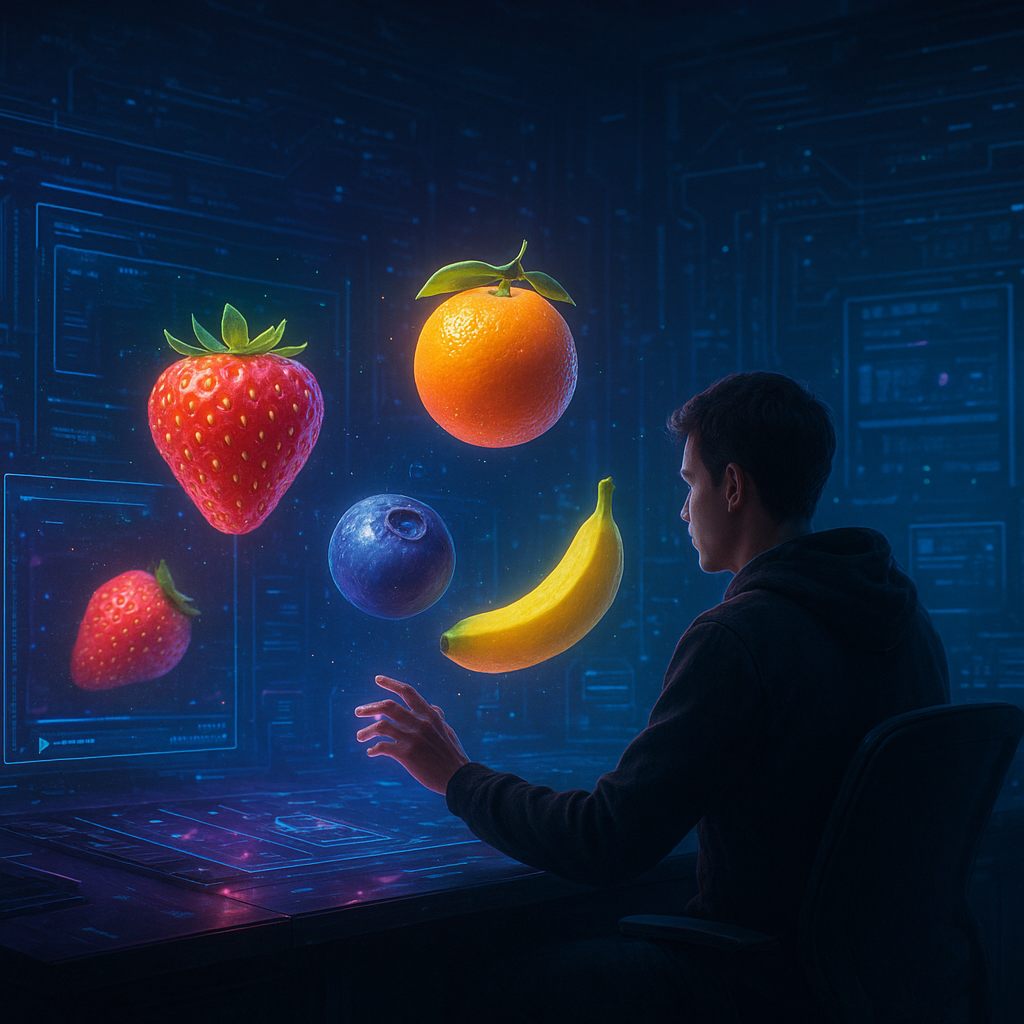

A Surreal Feast: When Fruit Videos Take a Dark AI Turn
Scrolling through social media feeds in early 2026, millions of users encounter an unusual genre of viral videos: hyper-realistic AI-generated clips showcasing bizarre, often grotesque fruit concoctions. These videos, which initially appear as quirky food art or futuristic recipes, have become a widespread phenomenon on platforms like TikTok, Instagram Reels, and YouTube Shorts. But beneath the glossy surface of vibrant colors and surreal textures lies a darker, unsettling dimension.
One viral clip that circulated in January 2026 depicted a melting fruit salad with dripping, almost viscous textures, accompanied by eerie sound design. The video amassed over 20 million views within days. While many viewers marveled at the creativity, others reported an uncanny feeling of discomfort, describing the imagery as "disturbingly unnatural." This paradox — fruit videos that are simultaneously mesmerizing and repellent — has sparked debate among digital artists, food enthusiasts, and media psychologists alike.
“There’s an undercurrent of digital decay and artificiality that these AI fruit videos expose, reflecting broader anxieties about technology and food in our era,” says Dr. Lila Anderson, a media psychologist specializing in digital aesthetics.
Understanding why these AI-generated fruit videos evoke such ambivalence requires tracing their origins, examining technical methods, and exploring the socio-cultural context of food and technology in 2026.
From Digital Curiosities to Viral Phenomena: The Rise of AI Fruit Videos
The emergence of AI-generated fruit videos is linked to advances in generative AI tools that became widely accessible since 2024. Initially, AI was employed primarily in food photography and recipe development for content creators and brands. However, as AI models grew more sophisticated, artists and hobbyists began experimenting with surreal food visuals, pushing boundaries beyond realistic portrayals.
These AI models use vast datasets of fruit images, textures, and cooking videos to synthesize novel visuals. The technology behind them includes diffusion models, GANs (Generative Adversarial Networks), and increasingly, multimodal AI architectures that combine image and audio generation. This democratization of AI tools enabled creators from all backgrounds to produce content rapidly, often without traditional culinary knowledge.
However, the viral AI fruit genre diverged from conventional food content. Unlike typical cooking tutorials or recipe demonstrations, these videos often depict fruit in distorted forms—overly saturated colors, unnatural juxtapositions, or textures that resemble decay or mutation. This trend captured social media’s attention due to its bizarre, sometimes unsettling aesthetic.
According to Wired, this genre doesn’t just entertain; it unsettles, revealing a "dark side" of AI creativity that challenges our perceptions of food and nature.
The Anatomy of Unease: Why These Videos Feel So Off
What exactly about these AI fruit videos evokes such a dark, disquieting vibe? Several factors converge to create this effect.
- Hyperrealism with Imperfect Details: AI-generated imagery often achieves near-photorealistic quality but struggles with subtle natural cues. This mismatch produces a "uncanny valley" for food visuals, where fruit looks almost real but contains slight distortions—misshapen forms, unnatural glossiness, or inconsistent shadows—that trigger cognitive dissonance.
- Texture and Color Manipulation: Many viral videos feature exaggerated textures—fruits dripping with viscous liquids, surfaces that appear slimy or melting. Color palettes veer towards oversaturation or unusual tones, making fruit appear both appetizing and repulsive simultaneously.
- Sound Design and Ambiance: Some creators layer eerie or glitchy sounds behind the videos. This auditory element amplifies the surreal quality and evokes discomfort, blending sensory channels to heighten emotional impact.
- Symbolic Resonance: Fruit is culturally associated with vitality, purity, and nourishment. Distorting these symbols taps into subconscious fears about food safety, environmental decay, and the artificiality creeping into daily life.
These aspects blend to create a haunting aesthetic. The videos are not just visually strange; they provoke affective responses tied to larger anxieties about technology and consumption.
2026 Developments: How AI Fruit Videos Reflect Broader Food & Tech Trends
In 2026, the intersection of AI, food culture, and digital media has evolved significantly. AI tools now underpin much of the food content landscape, from recipe generation to immersive cooking tutorials. Yet, the viral AI fruit videos stand out as a vivid symptom of underlying tensions.
Recent studies by digital culture analysts reveal that these videos are part of a broader "aesthetic of decay" trend in online visual media — a fascination with imperfection, entropy, and the uncanny. This trend parallels shifts in food culture, including rising concerns about synthetic foods, genetically modified organisms (GMOs), and the environmental impact of agriculture.
Moreover, the popularity of AI fruit videos coincides with increasing skepticism toward digital food ads and influencer marketing. Audiences are growing wary of overly polished portrayals of food, craving authenticity but often confronted with hyperreal AI creations that blur fact and fiction.
- Major food brands have experimented with AI-generated marketing campaigns, some featuring surreal fruit animations that polarize consumers.
- Content moderation challenges have emerged, as some AI fruit videos inadvertently promote food waste or unrealistic beauty standards for produce.
- Social media platforms have begun algorithmically prioritizing content that evokes strong emotional reactions, inadvertently boosting these unsettling fruit videos.
This complex ecosystem shapes how AI fruit videos circulate and how audiences interpret them.
Voices from the Field: Industry and Expert Perspectives
Food technologists, digital artists, and cultural commentators offer diverse views on the significance of viral AI fruit videos.
Dr. Maria Chen, a food scientist at the Culinary Innovation Institute, points to an ambivalence in public attitudes: "On one hand, these videos showcase AI’s creative potential in food art. On the other, they expose discomfort with how technology reshapes what we consider natural or edible." Chen emphasizes that such content sparks necessary conversations about food authenticity and the future of culinary creativity.
Digital artist and AI content creator Theo Ramirez views these videos as a new form of "post-digital expressionism," where the grotesque and surreal challenge conventional aesthetics. Ramirez explains, "The darkness isn’t accidental; it’s a reflection of our collective unease with AI’s infiltration into intimate realms like eating and cooking." Ramirez’s own portfolio includes AI-generated fruit sculptures that deliberately embrace decay motifs.
“These AI fruit videos function as cultural Rorschach tests, revealing hidden anxieties about consumption, technology, and the environment,” notes food culture historian Dr. Imani Roberts.
Industry stakeholders are also taking note. According to a 2026 report by Statista, engagement metrics for AI-generated food content have surged 40% since 2024, but sentiment analysis shows a split between fascination and discomfort, complicating brand strategies.
Looking Ahead: What the Future Holds for AI and Food Content
As AI continues to evolve in 2026 and beyond, the viral AI fruit video phenomenon offers both cautionary tales and creative inspiration. Several trends and potential developments merit attention:
- Refined AI Models for Food Realism: Developers are working to improve AI’s grasp of natural food textures and behaviors, aiming to reduce uncanny distortions that cause unease, as reported in ongoing research by leading AI labs.
- Ethical Guidelines and Content Standards: Platforms and creators are discussing ethical frameworks for AI-generated food content, addressing concerns about misinformation, food waste imagery, and psychological impacts on viewers.
- Hybrid Human-AI Collaboration: More creators are combining AI tools with traditional culinary expertise to produce content that balances innovation with authenticity. This approach may mitigate some of the darker aesthetics currently trending.
- Expanded Use in Food Education and Therapy: Emerging applications include therapeutic virtual food experiences and AI-powered cooking tutors, which could leverage AI’s visual capabilities in positive ways, as outlined in Stop Editing Videos Manually! Create Tutorial Videos with AI Instead.
In parallel, the cultural dialogue around AI’s role in food will likely deepen, intersecting with debates on sustainability, health, and digital media literacy. The viral fruit videos serve as both symptom and symbol of these complex dynamics.
“The key will be embracing AI’s potential while critically engaging with its cultural and psychological implications,” advises media analyst Sophia Martinez.
Case Studies: Viral AI Fruit Videos with Cultural Impact
To illustrate these dynamics concretely, consider two notable AI fruit video cases from early 2026.
- “Melting Citrus Slop”: This video featured hyper-saturated oranges and lemons melting into a gelatinous pool, with glitchy audio overlays. It sparked viral debate about digital food decay, spawning memes and artistic reinterpretations. The original creator, a digital artist from Berlin, cited the video as an exploration of "the fragility of food systems in the digital age."
- “Mutant Fruit Salad”: Another viral hit depicted a fruit salad with impossible hybrid fruits—blue bananas, translucent grapes—that pulsed and shifted shape. It was praised for creativity but also criticized for evoking discomfort linked to unnatural genetic modifications. The video was widely shared in discussions about GMOs and AI ethics.
These examples highlight how AI fruit videos transcend mere entertainment, becoming focal points for broader societal conversations. Their viral success also underscores the potency of AI in shaping food culture narratives, for better and worse.
For readers interested in the intersection of AI and viral video content more broadly, the article AI Shorts Generator For Viral Videos And Engagement offers further insights into how AI accelerates content creation and audience reach in 2026.
Conclusion: Beyond the Surface of Viral AI Fruit Videos
The viral AI fruit video phenomenon in 2026 reveals a complex interplay of technology, culture, and psychology. What begins as quirky or mesmerizing food art often unsettles viewers with its uncanny distortions and dark undertones. These videos challenge our assumptions about food’s naturalness and invite reflection on AI’s expanding role in our sensory and cultural worlds.
By examining their origins, aesthetics, and societal impact, we gain insight not only into a niche viral trend but also into larger questions about authenticity, consumption, and digital creativity. As AI tools become ever more embedded in food content production, navigating these tensions thoughtfully will be crucial for creators, brands, and audiences alike.
Ultimately, the dark allure of these AI-generated fruit videos serves as a mirror—reflecting both our technological ambitions and our anxieties about the future of food and media.
































Sign in to leave a comment.