

Open a kitchen cupboard in Britain now and there is a fair chance an air fryer will tumble out before the colander does. That shift has been remarkably quick. A gadget once treated like a student-flat novelty now sits on worktops in family homes, city flats and country kitchens alike, often earning more daily use than the oven. The appeal is obvious enough: speed, lower energy use than heating a full-size oven for smaller portions, and the promise of crisper chips without the chip-shop levels of oil. But the more interesting story is what cooks have learned after the honeymoon period. The best air fryer food is not merely “oven food, faster”. It relies on different airflow, different basket geometry, and a different understanding of moisture, fat and surface area.
That matters because the gap between a brilliant air fryer dinner and a tray of leathery disappointment is often tiny. A crowded basket can sabotage browning. A sugary glaze can catch too early. Wet marinades can steam rather than crisp. According to the BBC’s air fryer recipes for beginners, the appliance shines when recipes are adapted for its high-speed convection rather than forced into it unchanged. The Independent made a similar point in its feature arguing the air fryer is not just for nuggets, highlighting dishes from fried chicken to chilli beef that work because they respect the machine’s strengths rather than fight them.
Think of the air fryer less as a miniature deep-fat fryer and more as a compact, aggressive fan oven with attitude. Once you do, the technique starts to make sense. And that is where the real fun begins—somewhere between a Sunday roast shortcut and a Bake Off-style obsession with texture.
The air fryer rewards food with exposed surface area, controlled moisture and enough breathing room for hot air to circulate.
How the air fryer became a serious cooking tool
The air fryer boom did not happen in a vacuum. It arrived at the intersection of three modern kitchen pressures: rising household energy costs, shrinking cooking time, and social media’s obsession with visible texture. Crispy edges photograph better than a casserole, after all. During the energy price shocks of the early 2020s, consumers across the UK started comparing the cost of heating a large oven for a handful of sausages or a tray of veg. The air fryer, with its compact chamber and quick preheat, suddenly looked practical rather than gimmicky.
Manufacturers responded quickly. Basket models gave way to dual-drawer machines, oven-style air fryers with shelves, and larger family units that could handle a whole chicken or separate components of a meal at once. That hardware shift changed the conversation. People were no longer just reheating frozen chips; they were roasting salmon, baking jacket potatoes, crisping chickpeas, and testing whether a roast beef joint could hold its own against a conventional oven. The Daily Express recently highlighted precisely that ambition in its piece on an air-fryer roast beef joint recipe, focusing on tenderness and a seared exterior—two qualities once assumed to belong to the oven and hob.
There is also a cultural dimension. British cooks have become far more comfortable with appliance-led cooking, from multicookers to stand mixers. The air fryer fits that pattern because it offers repeatability. Put bluntly, it is forgiving once you understand it. For busy households, that reliability is gold dust. You can produce roast vegetables on a Tuesday with less faff than a full tray in the oven, and you can do it while the washing-up glowers from the sink.
Plenty of enthusiasts also moved beyond beginner habits. If you want a more technical companion piece, Advanced Strategies for Air Fryer Recipes and Cooking Techniques explores the next layer of control, while Mastering Air Fryer Recipes and Techniques for 2026 Cooking Trends tracks how this appliance has settled into mainstream home cooking rather than remaining a passing craze.
The physics behind crispness: why some recipes sing and others sulk
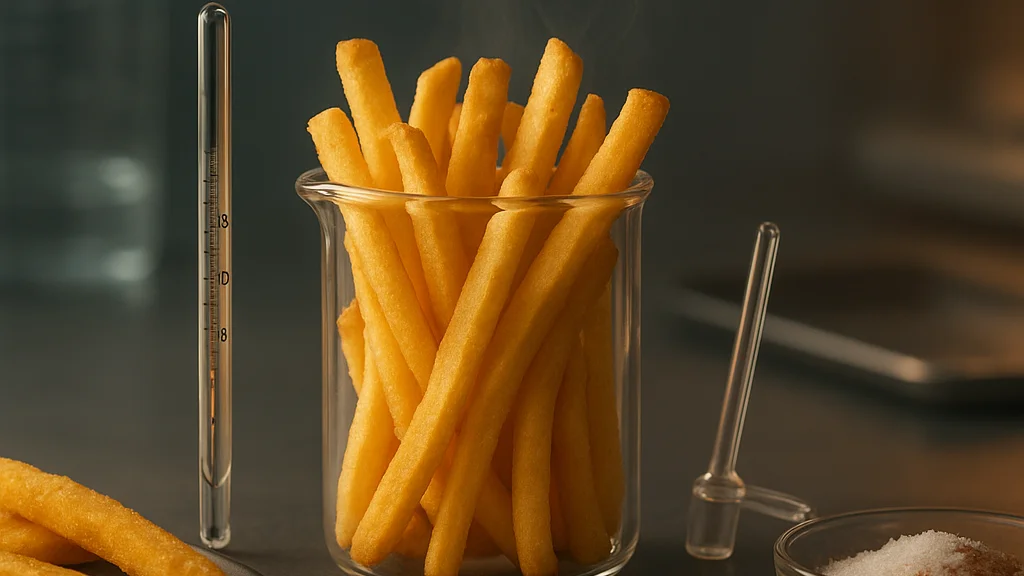
An air fryer cooks by circulating very hot air rapidly around food in a compact chamber. That sounds simple, but the consequences are profound. Because the chamber is small and the fan is forceful, the appliance strips away surface moisture quickly. That is exactly what you want for chips, chicken wings, halloumi fries and roast cauliflower. Dry the exterior, encourage browning, and the Maillard reaction gets to work—bringing nutty, savoury complexity and that deeply satisfying golden finish.
Problems begin when cooks ignore moisture management. If you toss vegetables in too much oil, they can turn greasy before they brown. If you add a water-heavy marinade, the food may steam. If you line the basket badly, you interrupt airflow. The Daily Record warned recently that one common technique can block food from cooking properly, namely overdoing liners or otherwise obstructing circulation. That warning tallies with what experienced users already know: the machine cannot crisp what the air cannot reach.
Three variables matter most:
- Surface dryness: Pat proteins and vegetables dry before seasoning. Moisture is the enemy of rapid browning.
- Spacing: Leave gaps between pieces so hot air can circulate. A crowded basket behaves more like a steamer.
- Fat balance: A light coating of oil promotes colour and crunch; too much can soften coatings or encourage smoke.
Temperature strategy matters too. Many recipes improve if you think in stages rather than one fixed setting. Chicken thighs, for instance, may benefit from a moderate start to cook through, followed by a hotter finish to crisp the skin. Breaded foods often need a brief rest after coating so the crumb adheres, then a mist of oil to encourage even colouring. Root vegetables can be par-cooked or microwaved first if they are dense, then finished in the air fryer for texture rather than relying on the machine to do every job from scratch.
The best cooks also learn the difference between “crisp” and “dry”. Lean proteins such as chicken breast, cod and pork loin can overshoot quickly because the fast-moving air is relentless. Richer cuts—skin-on thighs, sausages, salmon, paneer—are more forgiving. It is no accident that these foods often become household favourites in the basket.
Air fryers are brilliant at finishing and texturing food, but they are less forgiving than ovens when a recipe depends on retained moisture.
The techniques that separate average results from excellent ones
If there is one rule I would happily print on every air fryer box in Britain, it is this: stop treating time charts as gospel. They are starting points, not commandments. Different machines run hot, basket depth affects airflow, and food size varies wildly. A “medium potato” in one recipe can be a cricket ball or a small meteor. Technique matters far more than blind obedience to a preset.
Start with preheating when the recipe depends on immediate sizzle. Not every food needs it, but breaded items, roast potatoes and proteins that benefit from quick exterior setting often do. A hot basket helps create that first burst of browning. Next, avoid the temptation to stack. Chips piled too high cook unevenly; mushrooms dumped in a mound release water and stew; chicken wings pressed together pale where they touch. Better to cook in batches than produce a basketful of mediocrity.
Shaking and turning are not optional theatre. They redistribute contact points and expose fresh surfaces to the blast of air. For small items such as wedges, sprouts or gnocchi, one or two firm shakes during cooking can transform the result. Larger pieces—salmon fillets, pork chops, stuffed peppers—benefit from a careful turn or rotation. If your machine has hot spots, and many do, this becomes even more important.
Use coatings intelligently. Flour alone can go patchy; wet batter can drip and fail. The sweet spot for many “fried” foods is a dry-wet-dry system: seasoned flour, beaten egg or yoghurt, then breadcrumbs or crushed cereal. Panko remains the obvious route to crunch, but fine polenta, semolina and even crushed cornflakes have their place. A light spray of oil helps the coating colour. Without it, breading can stay pale and dusty.
For dependable results, keep these principles in mind:
- Cut ingredients to a consistent size so they finish together.
- Season assertively; fast cooking can mute subtle flavours.
- Add delicate herbs, garlic and sugary glazes later to avoid scorching.
- Use a probe thermometer for meat rather than guessing.
- Rest larger proteins briefly after cooking so juices redistribute.
One underused trick is partial cooking elsewhere. A microwave-softened jacket potato finished in the air fryer develops a far better shell than one cooked from raw for ages until the centre finally gives in. The same goes for blanched broccoli or parboiled roasties. Purists may sniff, but dinner on a Wednesday night is not a cathedral organ recital.
Readers wanting a more trend-focused update can also compare these methods with 2026 Update: Mastering Air Fryer Recipes and Cooking Techniques, which reflects how home cooks are increasingly combining appliances rather than insisting one machine must perform every task alone.
What actually cooks best in an air fryer
The short answer is not “everything”. The longer and more useful answer is that foods with the right ratio of surface area to interior mass tend to do brilliantly. Potatoes are the classic example because they can be dried, roughed up, lightly oiled and exposed to intense airflow. Brussels sprouts, cauliflower florets and carrots respond similarly, especially when cut to maximise edges. Halloumi, with its sturdy structure and salty richness, turns beautifully bronzed without collapsing. Chicken wings and thighs are natural stars because their fat bastes them as they cook.
Fish can be superb too, though species and cut matter. Salmon is forgiving and develops attractive colour quickly. Breaded white fish fillets can work well if not overloaded with wet batter. Prawns cook at astonishing speed and need vigilance. Steak is more divisive. You can cook it successfully, but unless you have a machine with strong top heat or a finishing sear elsewhere, the crust may not rival a ripping-hot pan. For burgers, meatballs and sausages, however, the air fryer is often excellent because rendered fat encourages browning while the enclosed chamber minimises splatter.
Baking is where expectations need calibration. Small pastries, cookies, hand pies and baked oats can work in suitable tins. Large cakes are trickier because airflow can set the exterior before the centre is ready. Cheesecakes and custards can crack if the heat is too fierce. Yet the appliance is unexpectedly useful for crisp toppings, toasted nuts and reheating pastry without the sogginess of a microwave.
According to The Independent’s recipe feature, one of the most persuasive arguments for the appliance is range: from spicy beef dishes to fried chicken and inventive weeknight meals. The best examples share a common logic. They use the air fryer for what it does best—rapid browning, efficient reheating, and controlled cooking of smaller batches.
These categories tend to yield the strongest results:
- Outstanding: chips, wedges, roast potatoes, wings, sausages, salmon, halloumi, roast veg, breaded chicken
- Very good: meatballs, pork chops, stuffed mushrooms, chickpeas, reheated pizza, pastries
- Use with care: lean chicken breast, delicate white fish, large cakes, wet-battered foods, heavily glazed meats
If you want a kitchen pairing that complements these meals, even something as simple as a nutrient-dense breakfast can balance a crisp-heavy dinner routine; for a different corner of home cooking, WriteUpCafe’s moringa smoothie guide shows how appliance-led convenience now stretches well beyond the air fryer itself.
Recipe design: how to adapt favourites instead of ruining them
The most common mistake with air fryer recipes is shrinking oven recipes without rewriting the method. A dish designed for broad, radiant heat behaves differently in a compact chamber with forceful convection. Good adaptation starts by identifying the recipe’s main objective. Are you trying to cook through gently, crisp the exterior, melt cheese, render fat, or simply reheat? Once you know that, you can design the process around the appliance rather than hoping for the best.
Take roast vegetables. In an oven, a tray can handle a little crowding because moisture has room to disperse over a wider area. In an air fryer, the same quantity may steam. The fix is not mystical: cut smaller, dry thoroughly, season more assertively, and cook in batches. For roast chicken pieces, reduce heavy marinades, reserve part of the sauce for later, and finish with a glaze in the final few minutes rather than from the start. For gratins or cheesy bakes, use shallow dishes so heat reaches the centre more efficiently.
Starch needs particular care. Chips made from fresh potatoes improve dramatically if soaked, dried and lightly oiled. Roast potatoes benefit from parboiling and roughing up the edges. Gnocchi can be tossed straight in with oil and seasoning for a crisp-chewy hybrid that feels faintly miraculous. Breaded foods should be chilled briefly before cooking if time allows; that helps the coating set and cling.
A practical adaptation framework looks like this:
- Reduce volume per batch by 25 to 50 per cent compared with an oven tray.
- Lower wet ingredients early in the cook; add sauces later.
- Check doneness earlier than the original recipe suggests.
- Use visual cues—colour, bubbling, crust formation—not just minutes.
- Finish with acid, herbs or a final drizzle after cooking for freshness.
The BBC beginner collection is useful here because it leans toward recipes that suit the appliance naturally, rather than forcing a square peg into a very hot round basket. That editorial restraint is refreshing. Nobody needs an air-fried trifle, and I say that with the full authority of a man who has seen enough culinary overconfidence to fill a Bake Off technical challenge.
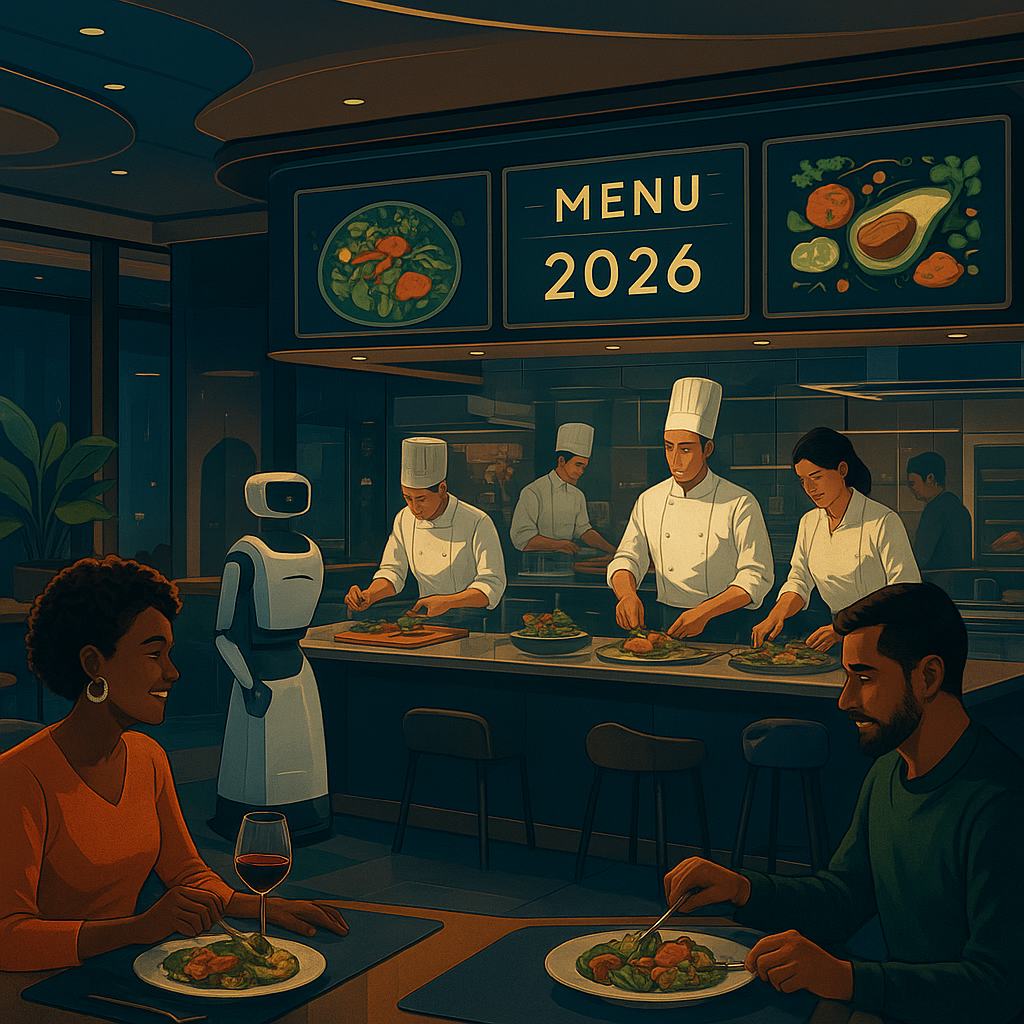
What has changed in 2026: smarter machines, better recipes, sharper expectations
By 2026, the air fryer conversation has matured. The early phase was dominated by novelty—how many frozen snacks can one machine revive before the household rebels? The current phase is more exacting. Consumers are comparing drawer sizes, wattage, basket coatings, sync functions, and whether a machine can genuinely replace part of the oven workload rather than merely supplement it. Brands have leaned into family-size models and dual-zone cooking, allowing proteins and sides to finish together. That sounds mundane, but in real kitchens it is a substantial improvement.
Recipe development has improved as well. Publishers and food writers are now more honest about limitations. Recent coverage, including the BBC and The Independent, tends to emphasise categories of success rather than pretending every dish improves in the appliance. That honesty is healthy. It saves readers from disappointment and pushes recipe writers toward methods that respect airflow, moisture control and realistic batch sizes.
Another 2026 development is the rise of energy-conscious cooking advice. While exact savings vary by model, portion size and cooking duration, the broad argument remains persuasive for smaller meals: heating a compact appliance can be more efficient than running a full oven. That has kept the air fryer relevant well after the initial boom. NoGarlicNoOnions, in its piece on the air fryer boom, captures the broader consumer mood—speed and crispness are still the headline attractions, but convenience and efficiency have become equally important.
There is also a subtle shift in who is using these machines. They are no longer pitched only at beginners or busy parents. Keen home cooks now use them as specialist tools: for blistering vegetables, reheating pastry, finishing pork crackling, or producing a quick side dish without monopolising the main oven. That is a sign of an appliance settling into culinary adulthood. The hype has cooled; the utility has not.
In 2026, the air fryer is less a fad than a fixture—a specialist countertop oven prized for speed, texture and small-batch efficiency.
The best practical takeaways for home cooks
If you want better air fryer food immediately, the path is not buying a fancier machine. It is changing your habits. Dry food more thoroughly. Cook less at once. Season with confidence. Learn your model’s quirks. Those four steps will improve results more than any preset labelled “chips” in cheerful digital lettering.
Build a small repertoire rather than attempting every viral recipe under the sun. Start with foods that teach the machine’s logic: roast potatoes, chicken thighs, salmon, cauliflower, halloumi, and reheated pastries. These reveal how quickly browning happens, where hot spots sit, and how much oil is actually needed. Once you understand those cues, more ambitious dishes become far easier to judge.
It also pays to think in meal systems. Use the air fryer for the part of dinner that benefits from texture, while the hob or microwave handles moisture-heavy components. A glossy lentil stew with air-fried carrots and sausages makes more sense than trying to force the whole plate through one appliance. Likewise, a crisp-skinned salmon fillet paired with a quick salad and boiled new potatoes often beats an all-basket meal assembled out of stubbornness.
For a strong weeknight strategy, keep these habits in rotation:
- Prep vegetables dry and ahead of time so they are ready for quick cooking.
- Use a thermometer for meat until you know your machine well.
- Reserve sticky sauces for the final minutes or serve them on the side.
- Clean the basket promptly to avoid smoke and off flavours next time.
- Write down successful times and temperatures for your own model.
The final point is perhaps the most useful. Air fryer cooking becomes excellent when it turns personal. Generic charts cannot account for your machine, your preferred level of colour, or whether you like your roasties lightly crisp or bordering on pub-lunch swagger. Keep notes. Adjust. Taste. Repeat.
That, really, is the whole story. The air fryer is neither miracle nor menace. It is a sharp, efficient tool that rewards understanding. Use it for crispness, speed and smaller-scale cooking, and it earns its counter space. Treat it as a universal replacement for every pan and oven method, and it will eventually answer back with pale chips, scorched glaze and a basket of regret. British cooks have always had a soft spot for gadgets that promise easier dinners. The air fryer endures because, with the right technique, this one often delivers.

































Sign in to leave a comment.