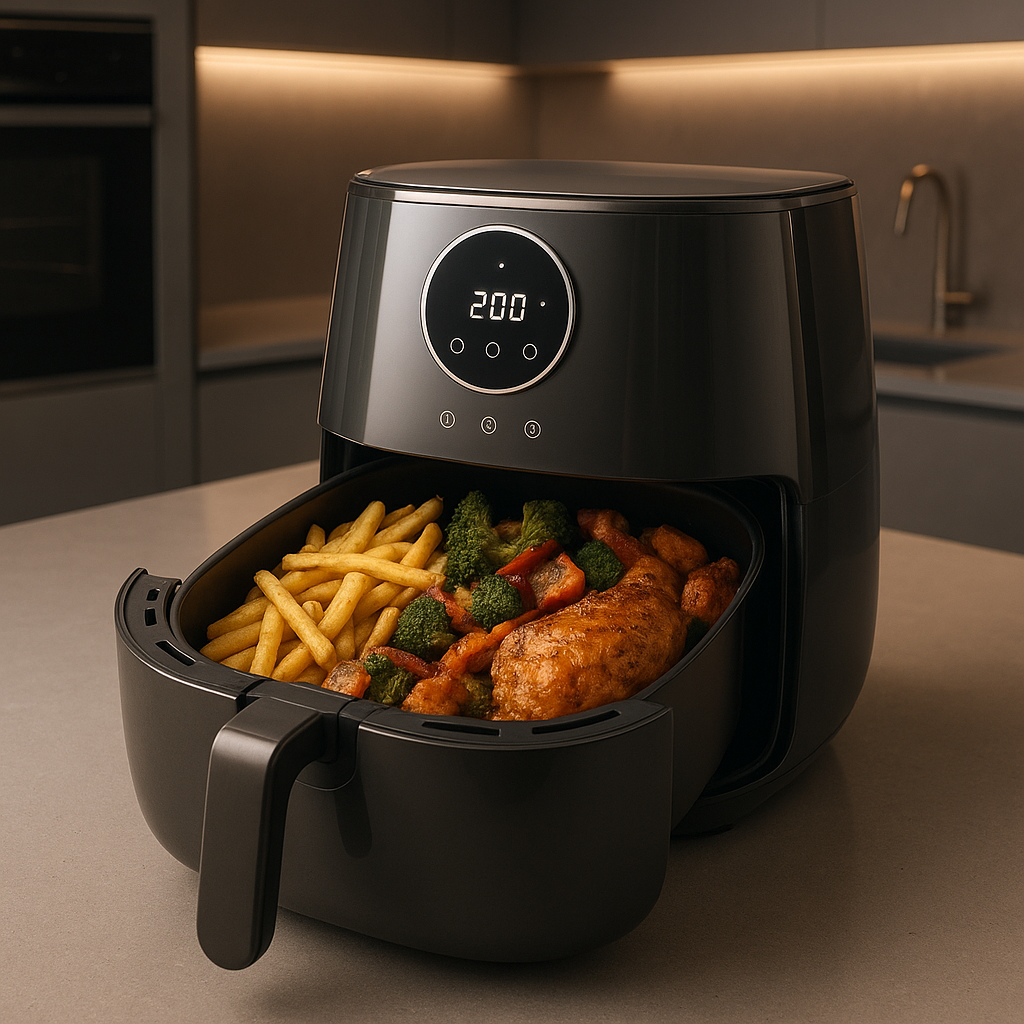

Revolutionizing Home Cooking: The Rise of the Air Fryer
The kitchen landscape has undergone a remarkable transformation over the past decade, and at the heart of this change is the air fryer. Once a niche gadget, air fryers have become indispensable in modern households worldwide. By 2026, the global air fryer market is projected to exceed $3.5 billion, reflecting an annual growth rate of over 12%, per industry estimates. This surge is driven by shifting consumer preferences toward healthier, quicker cooking methods without sacrificing flavor or texture.
Imagine a busy weeknight scenario: a family craving crispy fried chicken but wary of the calories and grease. Enter the air fryer, which uses rapid hot air circulation to crisp foods with minimal oil. This technology delivers the crunch and juiciness of deep frying but with up to 80% less fat. According to Healthline, air fryers enable a range of recipes from appetizers to desserts, all with reduced cooking times and easy cleanup.
From its inception, the air fryer has tapped into consumers’ desires for convenience, health, and versatility. But how did this appliance evolve so rapidly, and what techniques and recipes dominate in 2026? To understand its impact, we must examine the trajectory of air fryer adoption and the culinary innovations that have accompanied it.
Tracing the Evolution: How Air Fryers Became a Kitchen Staple
The air fryer concept originated in 2010 with Philips' launch of its first model, combining convection oven technology with frying results. Early adopters appreciated the promise of healthier fried foods, but initial models faced critiques for size limitations and uneven cooking. Over the years, manufacturers refined designs, improving airflow patterns, digital controls, and basket capacities.
By the mid-2020s, smart air fryers integrated AI-driven cooking algorithms, sensors that adjust temperature and time automatically, and connectivity for recipe apps. These advances made air fryers more intuitive and efficient, encouraging novice cooks to experiment.
Consumer behavior studies reveal that air fryer usage expanded beyond fried snacks. Home chefs began roasting vegetables, baking cakes, dehydrating fruits, and even grilling meats using air fryers. This versatility was key to the device's staying power.
Moreover, the rise of social media cooking influencers and recipe-sharing platforms accelerated air fryer adoption. Viral recipes and cooking challenges made air fryers a trendy, essential gadget. The appliance also aligned with growing health consciousness, as Americans and Europeans increasingly sought low-fat, whole-food diets.
According to Statista data, in 2025, 55% of U.S. households owned an air fryer, a figure expected to reach 65% in 2026. This widespread penetration underlines the appliance’s transition from novelty to kitchen necessity.
Examining Core Cooking Techniques: Unlocking the Air Fryer’s Potential
Mastering air fryer cooking depends on understanding how hot air circulation affects food texture and moisture. The fundamental principle is to cook food by rapidly circulating hot air around it, which creates a crispy exterior while retaining internal juiciness.
Several techniques have emerged as best practices among culinary experts and home cooks alike:
- Preheating: Although some air fryers skip this step, preheating for 3–5 minutes ensures consistent temperature and crisp results, especially for frozen foods.
- Single Layer Cooking: Overcrowding the basket reduces airflow, leading to unevenly cooked or soggy food. Spreading items in a single layer promotes optimal crispiness.
- Oil Application: Lightly coating food with oil enhances browning and flavor. Using spray oils or brushing ensures minimal fat but maximum crisp.
- Shaking or Turning: For items like fries or nuggets, shaking the basket halfway through cooking ensures even exposure to heat.
- Adjusting Temperature and Time: Air fryers often require temperature settings 10–20°F lower than traditional ovens and shorter cook times by 20–30%. Trial and error is key.
Beyond these basics, advanced techniques include layering flavors with marinades that penetrate quickly under hot air, or using foil and parchment paper inserts to facilitate cleanup and prevent sticking. Experimenting with basket accessories, such as racks or skewers, also expands cooking possibilities.
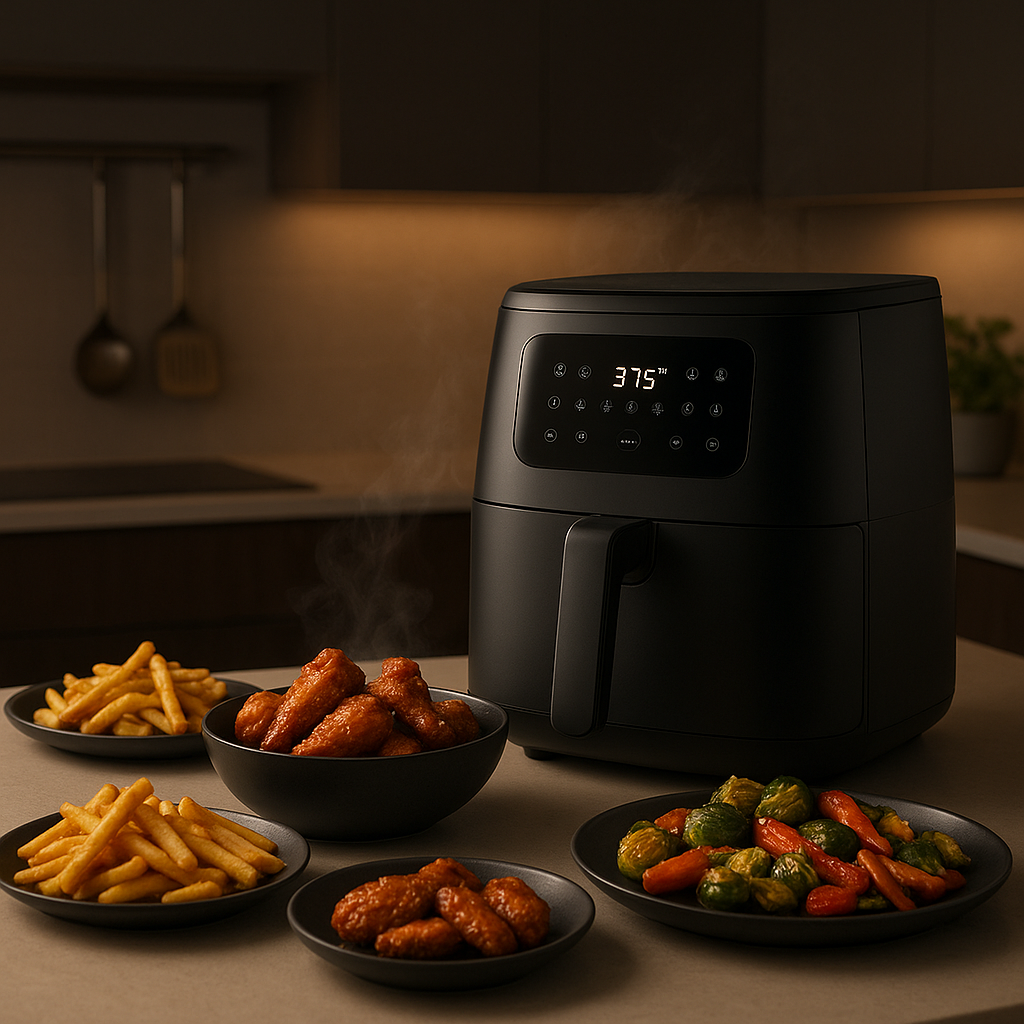
For example, air fryer chicken wings achieve a perfect crisp by combining a dry rub with a brief oil spray, cooked at 400°F for 20 minutes, flipping halfway. This method is detailed in Slurrp on MSN, which highlights air fryer versatility in grilling and frying.
2026 Trends: What’s New in Air Fryer Recipes and Culinary Innovation?
As of 2026, air fryer recipe development has become a sophisticated culinary field, blending health science with gastronomic creativity.
One notable trend is the integration of global cuisines with air fryer techniques. Recipes now include Korean-style spicy fried tofu, Mediterranean roasted vegetables with za’atar, and Indian-inspired air fryer samosas with flaky pastry. These recipes leverage the air fryer’s ability to mimic deep-frying textures while reducing oil consumption.
Plant-based diets have also propelled air fryer recipe innovation. Meat alternatives like Beyond Meat and Impossible Foods have found new applications in air fryer cooking, with patties and nuggets achieving superior textural results compared to pan-frying.
Another emerging development is the rise of air fryer meal kits and pre-seasoned frozen foods optimized for air fryer preparation. Companies like Nestlé and Conagra have launched lines tailored specifically for air fryer cooking, promising convenience without compromising quality.
Home cooks increasingly pair air fryers with complementary appliances, such as Instant Pots or sous vide machines, to create multi-step meals. This hybrid approach maximizes flavor and texture, for instance, by sous vide cooking chicken breasts before finishing with a crisp air fryer sear, as explored in the WriteUpCafe comparison of air fryers and Instant Pots for families.
Popular air fryer recipes in 2026 also focus on health optimization. Recipes emphasize using whole grains, fresh herbs, and minimal salt, aligning with heart-healthy and anti-inflammatory dietary guidelines.
- Examples of trending healthy air fryer recipes include:
- Air fryer salmon with turmeric and lemon glaze
- Cauliflower buffalo bites with avocado ranch dip
- Sweet potato fries sprinkled with smoked paprika
- Zucchini chips with nutritional yeast
This health-forward approach is supported by Healthline’s recipe roundup, which showcases quick, nutritious air fryer meal options.
Expert Insights and Industry Impact: Voices from Culinary Leaders
Leading chefs and appliance designers emphasize how air fryers have democratized gourmet cooking at home. Chef Maria Sanchez, a prominent culinary consultant, notes,
"Air fryers bridge the gap between health and indulgence. They allow home cooks to achieve restaurant-quality crispiness without the guilt of traditional frying."
Product developers highlight advances in airflow technology and temperature precision that have transformed air fryers from simple gadgets to smart kitchen hubs. Sarah Kim, a senior engineer at a top appliance company, shares,
"In 2026, we’re seeing AI-powered cooking modes that learn from user preferences, adjust recipes on the fly, and reduce food waste by optimizing cook times."
The appliance industry has also noted a shift in market dynamics. With more players entering the space, price points have become more competitive, and feature sets have diversified. From compact models suited for small kitchens, as discussed in WriteUpCafe’s Australian kitchen guide, to large-capacity units for families, consumers can find options tailored to their needs.
Furthermore, the environmental footprint of air fryer production and usage is under scrutiny. Brands are responding with sustainable materials and energy-efficient designs to align with growing consumer eco-consciousness.
Looking Ahead: Future Directions and Practical Takeaways for Home Cooks
As air fryer technology and recipes continue to evolve, several key trends and practical tips emerge for consumers and culinary professionals alike:
- Customization and Connectivity: Expect more integration with smart home systems, allowing voice control and recipe syncing across devices.
- Ingredient Innovation: New coatings and marinades formulated for air frying will enhance flavor and texture while reducing oil needs.
- Recipe Personalization: Apps will use AI to tailor cooking instructions based on dietary restrictions, ingredient availability, and taste preferences.
- Educational Resources: More online platforms and courses will teach air fryer techniques, fostering a community of skilled home chefs.
- Hybrid Cooking Solutions: Combining air frying with steaming, sous vide, or pressure cooking will unlock new culinary possibilities.
For anyone looking to optimize their air fryer use, it is essential to start with trusted recipes and gradually experiment with timing and seasoning. Resources like the Yahoo Style UK’s curated recipe lists provide excellent starting points for familiar favorites and innovative dishes.
Ultimately, air fryers exemplify how technology and culinary art intersect to enhance home cooking. Their continued popularity and advancements promise a future where healthier, tastier meals are just minutes away, accessible to cooks of all skill levels.
For a deeper dive into comparisons between air fryers and ovens, read WriteUpCafe’s analysis examining performance metrics and user satisfaction.




























Sign in to leave a comment.