


Hearing the words "your kidneys are failing" can shake anyone. Most patients picture dialysis machines and a life that suddenly revolves around treatment schedules. But is dialysis really the only path forward? It depends on how much kidney function remains and how early the problem is caught.
Kidney failure rarely happens overnight. It builds up slowly, stage by stage, and that slow progression is what creates room for other treatments before dialysis becomes necessary.
What Happens When Your Kidneys Start to Fail?
Your kidneys quietly filter waste and extra fluid from your blood every day. When they slow down, that waste builds up in the body, showing up as constant tiredness, swelling in the legs, poor appetite, or trouble concentrating.
Doctors track kidney health with a number called eGFR (estimated glomerular filtration rate). A lower number means the kidneys are working less efficiently. Early stages (1 to 3) usually respond well to non-dialysis care. Later stages (4 and 5) need closer monitoring, and dialysis may eventually be needed.
Can Kidney Failure Be Managed Without Dialysis?
Yes, in many cases, especially when caught in the early or moderate stages. Dr. Chandan Chaudhari often tells patients that the goal isn't just to delay dialysis, but to protect whatever kidney function remains for as long as possible.
Lifestyle and Dietary Changes
- Cutting back on salt to help control blood pressure
- Limiting protein intake to ease the kidneys' workload
- Managing blood sugar carefully if you're diabetic
- Staying hydrated, without overloading the body with fluids
Medications That Support Kidney Function
- Blood pressure medicines that protect remaining kidney tissue
- Drugs that manage swelling and potassium levels
- Newer medications that slow chronic kidney disease progression
Conservative Kidney Management
For some patients, especially elderly individuals or those managing other serious illnesses, doctors may recommend conservative care instead of dialysis. This focuses on comfort, symptom relief, and quality of life rather than mechanically filtering the blood.
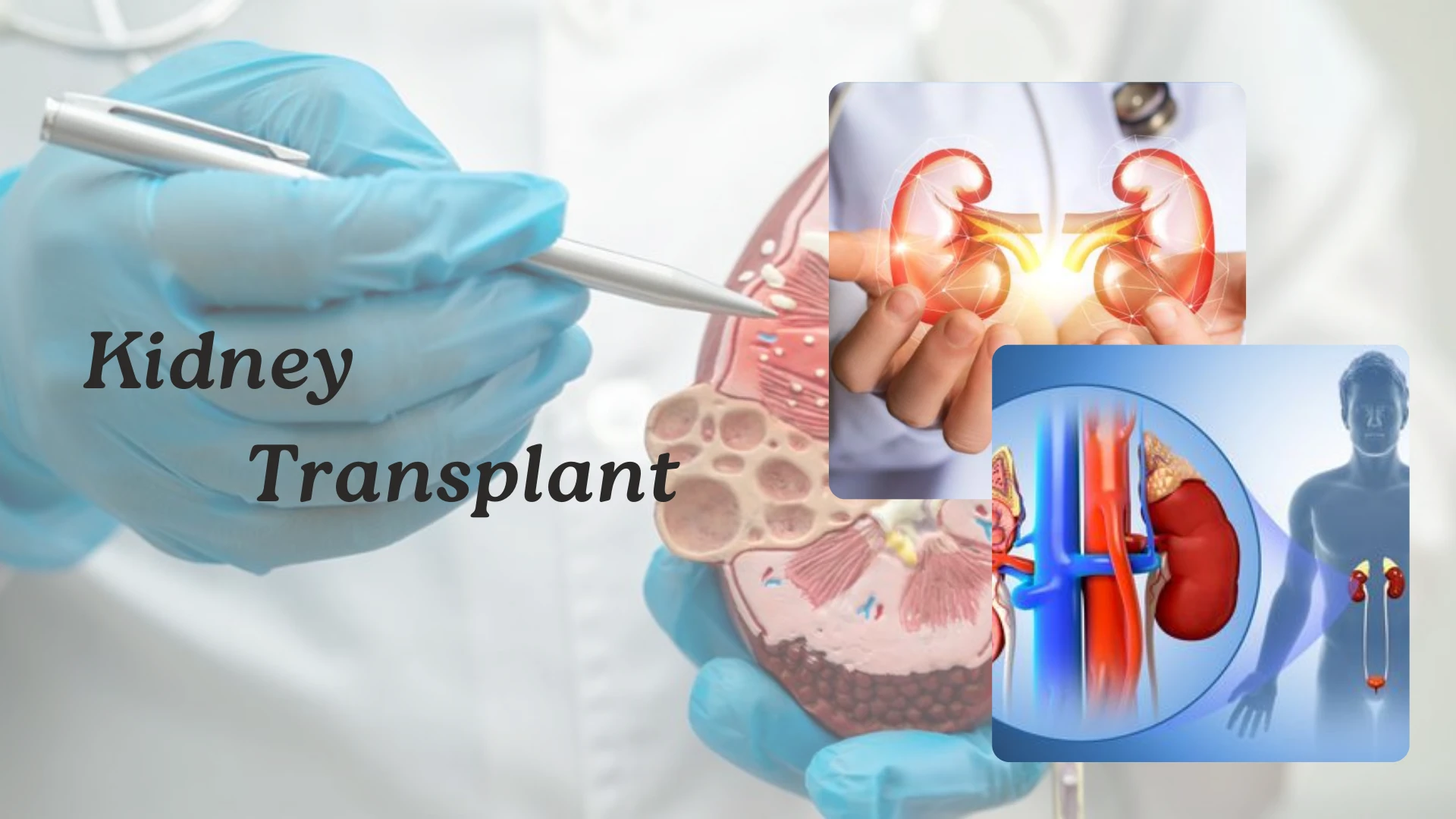
Kidney Transplant as an Alternative
For eligible patients, a transplant can restore normal kidney function and remove the need for dialysis altogether. It isn't right for everyone, but it remains one of the most effective long-term solutions available.
When Does Dialysis Become Necessary?
Even with the best care, some patients reach a point where dialysis is the safest option, usually when eGFR drops below 15, toxins keep building up despite treatment, or symptoms like breathlessness and severe swelling appear. Needing dialysis at that stage isn't a failure. It's simply the right tool for that phase of illness, and choosing a center known for the Best Dialysis Treatment in Mumbai can make the transition smoother and far less stressful for both patients and families.
How Can Patients Slow Down Kidney Damage?
- Get kidney function tests regularly, especially with diabetes or high blood pressure
- Avoid painkillers that strain the kidneys
- Follow your doctor's dietary guidance closely
- Never skip follow-up appointments, even when you feel fine
Final Thoughts
Kidney failure sounds frightening, but it doesn't always mean an immediate shift to dialysis. With early diagnosis, consistent lifestyle changes, and the right medical guidance, many patients manage their condition safely for years. Every case is different, and treatment decisions should always be personalized, not generalized from someone else's journey.
If you or a loved one has been advised on kidney care, it helps to speak with professionals experienced in both conservative management and advanced procedures. Consulting an experienced Kidney Transplant Surgeon in Mumbai early on can help you understand every option available, from lifestyle management to surgery, well before a crisis point is reached. Reach out to a trusted nephrology team and take that first step toward clarity and care.






























Sign in to leave a comment.