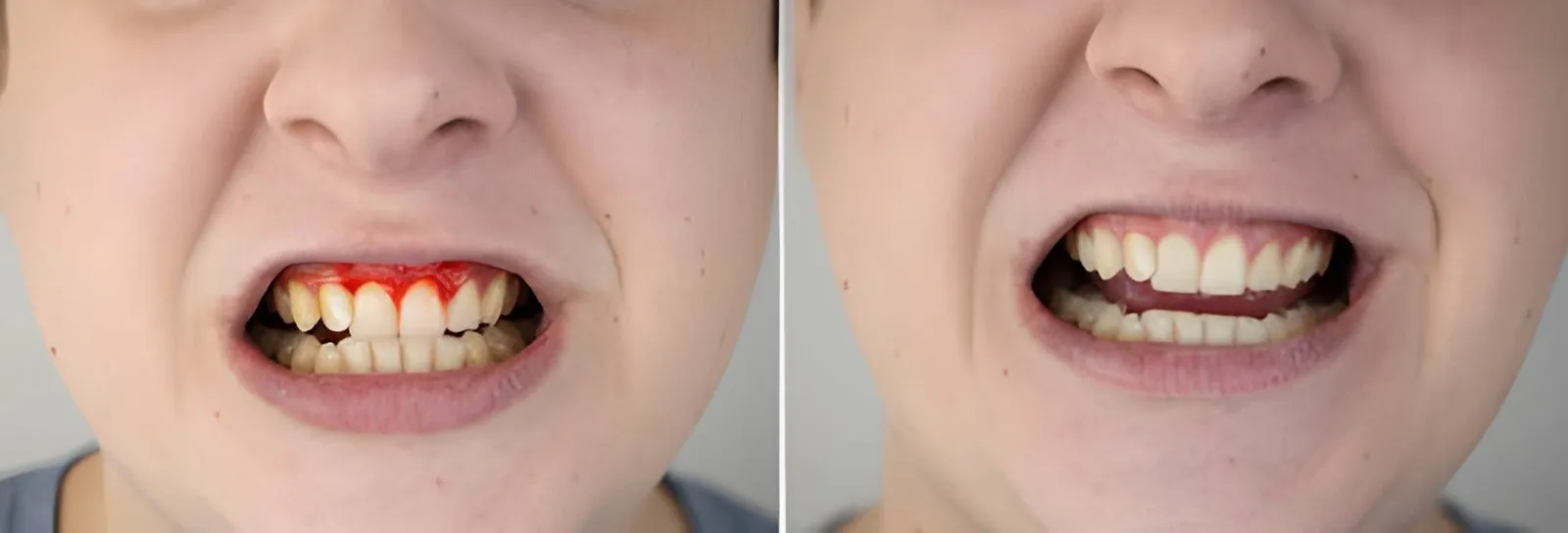

Healthy gums are an essential part of a healthy mouth, yet bleeding during brushing or cleaning between the teeth can sometimes be overlooked. Although occasional bleeding may have a simple explanation, persistent symptoms can indicate that the gums need professional attention. For people experiencing bleeding gums, understanding possible causes and adopting effective daily habits can support better oral health. Regular brushing, interdental cleaning, balanced dietary choices, professional dental examinations, and appropriate hygiene care can all contribute to healthier gums and reduce the likelihood of problems becoming more advanced.
Why Gums May Bleed
Bleeding gums are commonly associated with plaque accumulation around the gumline. Plaque contains bacteria that can irritate the gums and cause inflammation, potentially resulting in redness, swelling, tenderness, or bleeding. Poor cleaning between the teeth can allow plaque to remain in areas that are difficult to reach with brushing alone. Other factors may also contribute, including aggressive brushing, certain medications, hormonal changes, smoking, or existing gum conditions. Identifying the underlying reason is important because the most suitable solution depends on the cause and severity of the symptoms.
Do Not Ignore Persistent Symptoms
Some people stop brushing or cleaning between their teeth when their gums begin to bleed because they worry that cleaning is making the problem worse. However, avoiding these areas can allow more plaque to accumulate and may increase inflammation. Patients should continue gentle oral hygiene unless a dental professional advises otherwise. If bleeding continues despite consistent care, professional assessment is recommended. A dental professional can examine the gums, identify possible causes, and explain whether additional treatment or improved cleaning techniques may be required.
Brush Teeth Gently
Brushing twice daily with fluoride toothpaste is a fundamental part of maintaining healthy gums and teeth. However, brushing harder does not necessarily mean cleaning more effectively. Excessive pressure can irritate the gums and may contribute to gum recession or enamel wear over time. Patients should use gentle movements and ensure that the toothbrush reaches the gumline without being forced into the tissues. A soft or appropriately designed toothbrush may be suitable for many individuals. Patients who are unsure about their technique can ask a dental professional for personalised guidance.
Choose a Suitable Toothbrush
The right toothbrush can make daily cleaning more comfortable and effective. Many patients benefit from a soft bristled toothbrush that can clean the teeth and gumline without excessive pressure. Electric toothbrushes may also help some people maintain consistent brushing, particularly those who find manual brushing difficult. Regardless of the type selected, the technique remains important. Patients should replace a toothbrush or brush head when the bristles become worn. A dental professional can recommend suitable options based on individual oral health, sensitivity, and cleaning needs.
Clean Between the Teeth
Brushing alone cannot effectively clean every surface between the teeth. Food particles and plaque can accumulate in these spaces and contribute to gum inflammation. Interdental brushes, floss, or other suitable cleaning methods can help reach areas that a toothbrush cannot. The most appropriate method depends on the size of the spaces and the patient's dental condition. Patients may initially notice some bleeding when beginning interdental cleaning, particularly when gums are inflamed. Consistent gentle cleaning can support improvement, but persistent bleeding should still be assessed professionally.
Use Interdental Brushes Correctly
Interdental brushes should fit comfortably between the teeth without being forced. Using a brush that is too large can cause discomfort or trauma, while one that is too small may not clean effectively. Different areas of the mouth may require different sizes. A dental professional or hygienist can demonstrate the correct technique and recommend suitable sizes. Patients should use gentle movements and clean systematically around the mouth. Learning the correct approach can make interdental cleaning easier and improve the chances of maintaining healthier gums over time.
Attend Regular Dental Examinations
Regular dental examinations allow professionals to monitor the health of the gums and identify early signs of inflammation or disease. During an examination, the dental professional can assess the gumline, teeth, restorations, and other areas of the mouth. If bleeding is present, the cause can be investigated rather than simply treating the visible symptom. The recommended frequency of appointments varies between individuals because some patients have a higher risk of gum problems. Following personalised advice can support prevention and provide opportunities to address concerns early.
Professional Dental Hygiene
Professional hygiene appointments can help remove tartar and accumulated deposits that cannot be removed effectively through ordinary brushing. Tartar can contribute to gum irritation and may make home cleaning more difficult. A dental hygienist can also provide advice about brushing, interdental cleaning, and other preventive habits. Professional cleaning does not replace daily care, but it can complement a consistent home routine. Patients with recurring gum problems may benefit from a personalised hygiene plan designed around their individual needs and risk factors.
Reduce Sugary Foods and Drinks
Diet can influence oral health because frequent exposure to sugar can increase the risk of tooth decay. While sugar is not the only factor associated with gum problems, maintaining a balanced diet supports overall dental wellbeing. Patients can reduce unnecessary exposure by limiting sugary snacks and drinks between meals. Water is a useful choice throughout the day. Eating regular meals rather than constantly grazing on sugary foods may also help reduce repeated acid attacks on the teeth. A sensible diet can therefore support both healthy teeth and healthy gums.
Drink Plenty of Water
Water can help keep the mouth hydrated and supports the natural cleansing action of saliva. Drinking water after meals can also help rinse away some food particles and reduce the concentration of sugars and acids remaining in the mouth. It is generally preferable to sugary drinks for everyday hydration. Patients should still maintain brushing and interdental cleaning because water alone cannot remove established plaque. Combining good hydration with effective oral hygiene provides a straightforward way to support a healthier mouth throughout the day.
Avoid Smoking and Tobacco
Smoking and tobacco use can have a significant impact on oral health and may increase the risk of gum disease. Tobacco can affect the tissues around the teeth and may also make it more difficult for the gums to recover from inflammation. Patients who smoke may also experience tooth staining and persistent bad breath. Avoiding tobacco can therefore benefit both the appearance and health of the mouth. People who want to stop but find it difficult should seek appropriate support from healthcare professionals who can provide practical guidance.
Pay Attention to Warning Signs
Bleeding gums are not the only symptom that may indicate a problem. Patients should also watch for persistent redness, swelling, tenderness, bad breath, gum recession, loose teeth, or changes in the way the teeth meet. These signs can have different causes and should not automatically be assumed to result from inadequate brushing. A professional examination can determine what is happening and whether treatment is required. Seeking advice when symptoms first appear may help prevent a manageable problem from progressing into a more complicated condition.
Know When to Seek Help
Patients should arrange a dental assessment if gum bleeding continues despite careful oral hygiene or occurs frequently without an obvious explanation. Urgent attention may be necessary when significant swelling, severe pain, pus, fever, or other concerning symptoms develop. A dental professional can assess the gums and identify whether the problem relates to plaque, gum disease, infection, trauma, medication, or another factor. Prompt assessment allows appropriate care to be recommended and can provide reassurance when no serious underlying issue is found.
Protect the Gums During Everyday Activities
Everyday habits can also affect gum health. Patients should avoid brushing with excessive pressure and should not use sharp objects to remove food from between their teeth. Toothpicks or unsuitable tools can injure the gums and create additional problems. People who participate in contact sports should consider suitable mouth protection to reduce the risk of injuries to the teeth and surrounding tissues. Patients who grind or clench their teeth should also discuss the habit with a dental professional because repeated pressure can affect the wider mouth.
Maintain a Consistent Routine
Healthy gums are more likely to be maintained when oral care becomes part of a consistent daily routine. Brushing twice daily, cleaning between the teeth, limiting frequent sugary foods and drinks, avoiding tobacco, and attending professional appointments can work together to support oral health. Patients should not expect one treatment or product to solve every gum concern. Long term results depend on regular habits and appropriate professional monitoring. A simple routine that is followed consistently can be more beneficial than complicated care that is difficult to maintain.
Final Thoughts
Bleeding gums should not automatically be considered normal, particularly when the symptom is persistent or accompanied by swelling, tenderness, bad breath, or other changes. Gentle brushing, effective interdental cleaning, regular examinations, professional hygiene appointments, healthy dietary habits, and avoiding tobacco can all support healthier gums. Patients who continue to experience bleeding should seek professional advice to identify the underlying cause. For people looking for ongoing dental care in Sheffield, Sheffield Smiles may be considered when researching professional support for maintaining healthy gums and improving overall oral health.



























Sign in to leave a comment.