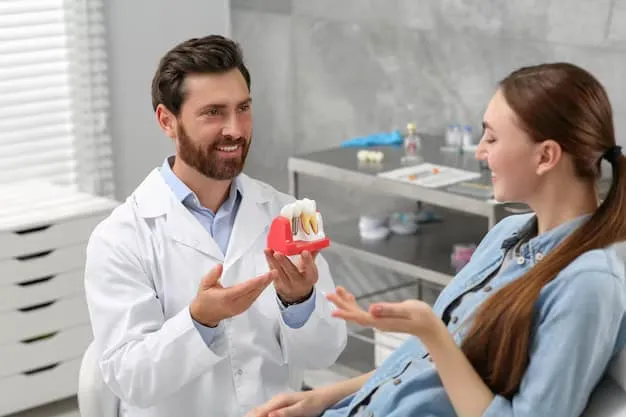

Missing teeth can affect more than the appearance of a smile. They may influence chewing, speech, confidence, and the way surrounding teeth function. Several replacement options are available, but the most suitable choice depends on individual oral health, lifestyle, preferences, and expectations. For people considering dental implants, understanding how these restorations work, who may benefit from them, what the treatment involves, and how they should be maintained can make the decision easier. Careful assessment and professional guidance are essential before choosing any tooth replacement treatment.
Understanding Dental Implants
Dental implants are designed to replace the root of a missing tooth and provide support for a replacement restoration. An implant is positioned within the jawbone, where it can gradually integrate with the surrounding bone. Once healing has taken place, a replacement tooth can be attached to restore appearance and function. Implants can be used to replace individual missing teeth or support other types of dental restorations. Their suitability depends on factors such as bone availability, gum health, general health, and the condition of the remaining teeth.
How Implants Work
The treatment usually involves several stages rather than a single appointment. First, the mouth is assessed and a suitable treatment plan is created. The implant is then placed in the jawbone and allowed to heal. Once sufficient integration has occurred, the replacement restoration can be fitted. The exact process varies according to the number of teeth being replaced and the complexity of the case. Patients should discuss each stage with their dental professional so they understand the expected treatment sequence and the responsibilities involved.
Consider Overall Oral Health
Good oral health is an important consideration when choosing an implant. Existing tooth decay, gum disease, infection, or other dental concerns may need to be addressed before implant placement. Healthy surrounding tissues can provide a more suitable environment for treatment and long term maintenance. A detailed examination allows the dental professional to identify any issues that could affect the proposed treatment. Patients should not assume that replacing a missing tooth can be considered separately from the rest of the mouth, because overall oral health remains an important part of successful planning.
Assess Gum Health
The gums provide important support around both natural teeth and implants. Active gum disease may need treatment before implant placement is considered. Patients who have experienced gum problems should discuss their dental history during the consultation. Maintaining healthy gums after treatment is equally important because plaque accumulation can affect the tissues around an implant. Regular brushing, cleaning between the teeth, professional reviews, and appropriate hygiene care can all contribute to long term oral health. Individual cleaning instructions should always be followed according to professional recommendations.
Check Bone Availability
Adequate jawbone support is an important factor when considering implants. Following tooth loss, the bone in the affected area can gradually change, which may influence whether there is sufficient support for implant placement. Diagnostic assessment can help determine the condition and volume of the available bone. Some patients may require additional treatment before an implant can be placed, while others may have suitable bone already. Understanding this factor early allows the treatment plan to be created realistically and helps patients prepare for any additional stages that may be necessary.
Ask About Additional Treatment
Additional procedures are not required for every patient, but they may sometimes be recommended when bone support is limited or other concerns need attention. Patients should ask why a particular procedure has been suggested and how it may affect the overall treatment timeline. Understanding the purpose of each stage can make the process less confusing and help patients make informed decisions. A dental professional can also explain whether alternative replacement options may be available. Each treatment plan should be based on the patient's individual dental condition rather than a standard approach.
Compare Tooth Replacement Options
Implants are one option for replacing missing teeth, but they are not the only solution. Depending on individual circumstances, patients may also consider bridges or removable dentures. Each option has different benefits, limitations, maintenance requirements, and costs. A fixed implant restoration may appeal to someone seeking a stable replacement, while another patient may prefer a removable option. The decision should consider oral health, lifestyle, budget, expectations, and the number and position of missing teeth. A professional consultation can help patients compare suitable choices.
Think About Everyday Function
A missing tooth can affect biting and chewing, particularly when several teeth are absent. Replacement treatment can help restore aspects of everyday function, although results vary according to individual circumstances. Patients should consider how each option may fit into their daily routine. Some restorations are removable, while implants are designed to remain fixed once treatment is completed. Understanding the practical differences can help patients select an option that suits their lifestyle. Comfort, cleaning requirements, appearance, and long term maintenance should all be considered before treatment begins.
Consider Appearance
The appearance of a replacement tooth can be an important consideration, particularly when a missing tooth is visible when smiling. Implant restorations can be designed to complement the surrounding teeth in terms of shape, size, and colour. However, the final appearance depends on many factors, including the condition of the gums, neighbouring teeth, restoration design, and individual anatomy. Patients should discuss their expectations during treatment planning. A realistic conversation about appearance can help ensure that the proposed restoration is designed with the overall smile in mind rather than focusing only on the missing space.
Discuss Natural Looking Results
Patients often want a replacement tooth that blends naturally with the surrounding smile. Shade matching and careful restoration design can contribute to a balanced appearance. Existing dental restorations may also need to be considered when selecting a suitable shade. Patients should ask how the replacement will be designed and what factors could influence the final result. Although modern techniques can provide highly natural looking restorations, individual outcomes vary. A dental professional can explain what may reasonably be expected based on the patient's existing teeth and oral structures.
Understand the Treatment Timeline
Implant treatment generally requires more time than some other tooth replacement options because the implant needs to heal and integrate with the jawbone. The overall timeline can vary depending on the number of implants, bone condition, gum health, additional procedures, and individual healing. Patients should ask for an estimated schedule before treatment begins. Understanding that the process may involve several appointments can help with practical planning. A longer treatment period does not necessarily indicate a problem, as healing is an important part of establishing a stable foundation.
Prepare for Recovery
Some discomfort, swelling, or tenderness may occur after implant placement, although the experience varies between individuals. The dental professional will provide specific aftercare instructions designed to support recovery. Patients should follow these instructions carefully and avoid putting unnecessary pressure on the treated area. Any unexpected or worsening symptoms should be reported promptly. Allowing sufficient time for healing is important, so patients should avoid expecting immediate completion of the entire treatment. Planning work, social activities, and other commitments around appointments and recovery can make the process easier.
Consider the Cost
The cost of implant treatment can vary significantly according to the number of teeth being replaced, complexity, diagnostic requirements, additional procedures, and type of restoration. Patients should ask for a detailed explanation of the expected costs before agreeing to treatment. It is useful to establish which appointments, restorations, temporary solutions, and follow up care are included. Comparing only an advertised starting price may not provide an accurate understanding of the overall investment. Clear financial information allows patients to compare treatment options more fairly and plan accordingly.
Think About Long Term Care
Choosing an implant also involves a long term commitment to oral hygiene and professional maintenance. Patients should continue brushing twice daily, cleaning between the teeth, and attending recommended dental examinations. Special cleaning methods may be advised around the implant and restoration. Although implants are designed to provide a durable replacement, they still require appropriate care. Patients should understand that maintenance remains important throughout the life of the restoration. Good oral hygiene and regular professional monitoring can help protect the implant, surrounding gums, and remaining natural teeth.
Consider Lifestyle Factors
Lifestyle can influence the suitability and maintenance of implant treatment. Smoking, poor oral hygiene, and inconsistent dental attendance may create additional challenges. Patients should discuss relevant habits honestly during their consultation so the dental professional can assess their circumstances accurately. Those who smoke may be advised to consider stopping because smoking can affect oral health and healing. Making positive lifestyle changes can support both general and dental health. Patients should also consider whether they are prepared to follow aftercare instructions and attend the appointments required throughout treatment.
Ask Questions Before Deciding
Patients should feel comfortable asking detailed questions before committing to implant treatment. Useful questions can cover suitability, alternatives, treatment stages, expected recovery, costs, aftercare, and long term maintenance. Patients may also ask what could happen if complications arise or if the desired result is not achieved. Clear answers can make the decision process more straightforward. If uncertainty remains, seeking another professional opinion may help. A considered decision is preferable to choosing treatment based solely on advertising, price, or the experiences of another person.
Final Thoughts
Choosing a replacement for missing teeth requires careful consideration of oral health, appearance, function, treatment time, cost, lifestyle, and long term maintenance. Dental implants can provide a fixed replacement for suitable patients, but professional assessment is essential to determine whether they are appropriate. Understanding every stage before treatment can help patients develop realistic expectations and make informed decisions. For individuals exploring tooth replacement options in Sheffield, Sheffield Smiles may be considered when researching professional support for restoring missing teeth and maintaining a healthy, confident smile.























Sign in to leave a comment.