

A smile can influence confidence, appearance, and the way a person feels during everyday interactions. For people unhappy with the colour, shape, spacing, or minor imperfections of their teeth, cosmetic dental treatment may offer a way to create a more balanced appearance. However, choosing a cosmetic procedure requires careful consideration rather than an impulsive decision. Before choosing veneers, patients should understand how the treatment works, whether they are suitable, what the process involves, potential benefits and limitations, expected costs, maintenance requirements, and the importance of professional assessment.
Understanding What Veneers Are
Veneers are thin coverings designed to improve the visible appearance of teeth. They are usually placed over the front surface of selected teeth to address cosmetic concerns such as discolouration, minor chips, uneven shapes, or small gaps. Different materials can be used, and the most suitable choice depends on individual circumstances and treatment goals. Veneers are not appropriate for every patient, so an assessment is essential before treatment begins. A dental professional can examine the teeth and gums and determine whether veneers are a suitable option.
Why People Choose Veneers
Patients consider veneers for various aesthetic reasons. Some may feel that their teeth are too uneven, while others may want to improve their colour or create greater consistency between several visible teeth. Small imperfections can sometimes affect confidence, particularly when smiling or speaking. Veneers can provide an opportunity to address several cosmetic concerns at once. However, they should be selected for appropriate reasons and with realistic expectations. The aim should be to create a result that suits the patient's natural features rather than simply pursuing the brightest or most uniform appearance possible.
Arrange a Professional Consultation
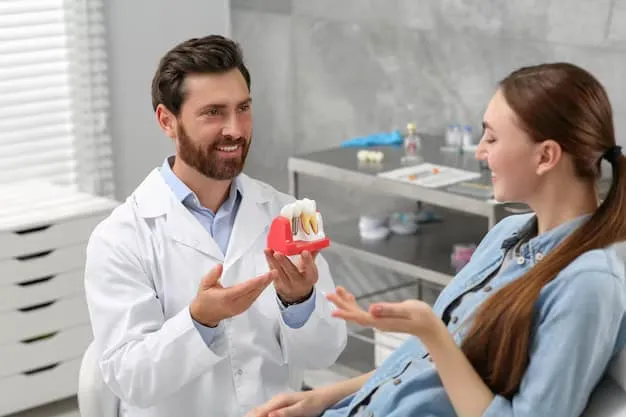
A consultation is one of the most important stages before deciding whether veneers are appropriate. During an assessment, the dental professional can examine the teeth, gums, bite, and existing restorations. They can also discuss the patient's concerns and desired outcome. Any untreated dental problems may need attention before cosmetic treatment is considered. This initial stage helps identify potential issues that could affect the success or longevity of treatment. Patients should use the consultation to ask questions and ensure they understand every important aspect before making a commitment.
Discuss Personal Expectations
Clear communication about the desired outcome can help create a more realistic treatment plan. Patients should explain which teeth concern them and what changes they would like to see. Some may want subtle improvements, while others may prefer a more noticeable transformation. Discussing preferred shade, shape, length, and overall appearance can help the dental professional understand the patient's expectations. It is also important to understand that facial features, natural tooth structure, and bite can influence the final result. A personalised approach is usually more appropriate than copying another person's smile.
Check the Health of the Teeth and Gums
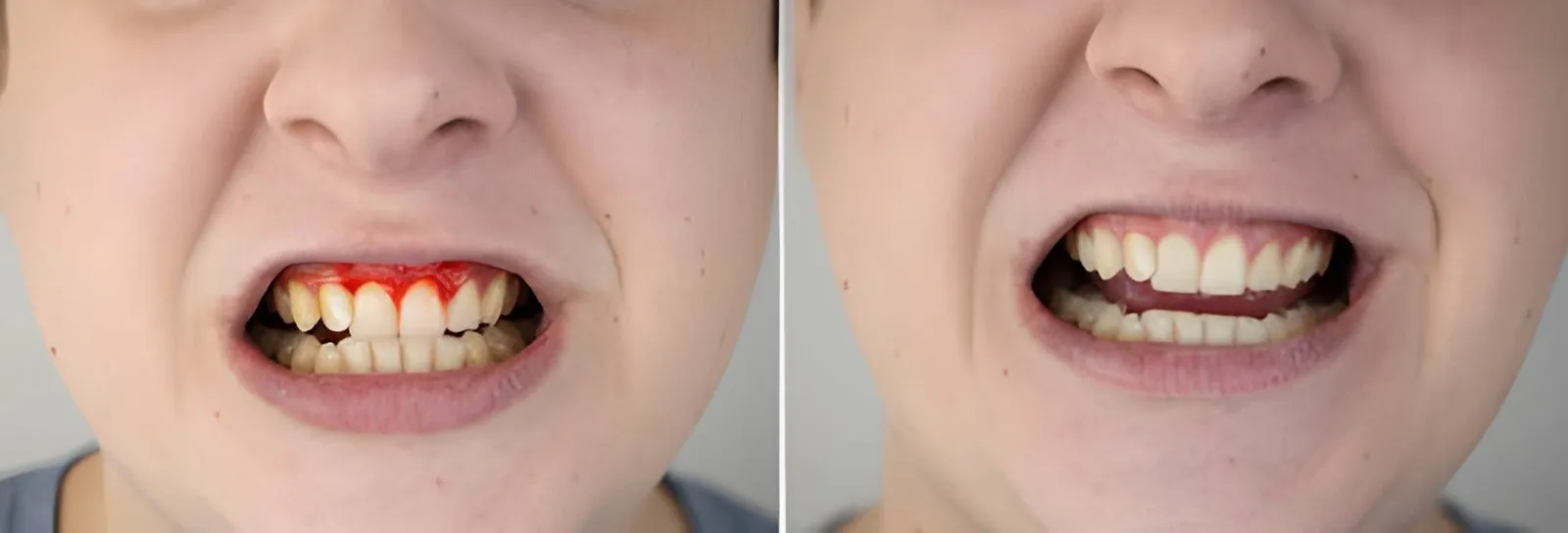
Healthy teeth and gums provide an important foundation for cosmetic treatment. Tooth decay, gum disease, significant sensitivity, or other untreated concerns may need to be addressed before veneers can be considered. A professional assessment can identify these issues and determine whether preliminary treatment is necessary. Patients should not assume that veneers can simply cover underlying dental problems. Good oral health remains essential before and after cosmetic procedures. Addressing existing concerns first can create a more suitable foundation and may help support the longevity of future cosmetic dental work.
Consider Existing Dental Work
Patients who already have fillings, crowns, bridges, or other restorations should discuss them during the consultation. Existing dental work can affect treatment planning, particularly if the visible teeth are being considered for cosmetic improvement. Veneers may not behave in exactly the same way as natural tooth enamel or existing restorations. A dental professional can explain how previous treatment may influence the available options. Understanding these details before treatment helps patients form realistic expectations and reduces the possibility of unexpected issues during the planning or fitting process.
Understand the Preparation Process
The preparation required for veneers depends on the chosen material, technique, and condition of the teeth. Some approaches may require limited alteration of the natural tooth surface, while others involve more preparation. Patients should ask exactly what will happen before agreeing to treatment. Any changes to natural tooth structure should be understood clearly because some forms of veneer treatment may be irreversible. The dental professional should explain the preparation process, reasons for it, expected sensitivity, and what the patient may experience during each stage.
Ask About Temporary Arrangements
Depending on the treatment approach, temporary coverings may sometimes be used while the final veneers are being prepared. Patients should ask whether temporary arrangements will be necessary and how long they are expected to remain in place. Temporary restorations may feel different from the final result and can require additional care. Understanding this stage beforehand can help patients prepare for changes in appearance, speech, or comfort. Clear instructions should be provided regarding eating, cleaning, and protecting the teeth while waiting for the final treatment.
Explore Different Materials
Veneers can be made from different materials, each with its own characteristics. Common options include porcelain and composite materials, although suitability varies between patients. Factors such as appearance, durability, maintenance, cost, and the amount of preparation required can influence the choice. Patients should not select a material based solely on popularity or price. A dental professional can explain the advantages and limitations of relevant options and recommend an approach based on the patient's teeth, expectations, and overall oral health.
Consider Appearance and Durability
Patients often want cosmetic treatment to look natural while remaining durable enough for everyday use. Material selection can influence translucency, texture, colour stability, and resistance to wear. The position of the teeth and the patient's bite can also affect longevity. During consultation, patients should ask how the chosen material is expected to perform and what habits could affect it. Understanding these factors can help patients make a balanced decision instead of focusing solely on immediate appearance. A good cosmetic result should also be practical for everyday life.
Think About the Shade Carefully
Choosing the right shade is an important part of veneer treatment. Some patients may be tempted to select an extremely bright colour, but a shade that is too different from the natural appearance of the surrounding teeth may look less balanced. The dental professional can discuss available shades and explain how they may appear in different lighting conditions. Patients should consider the overall appearance of their smile rather than focusing on individual teeth alone. A carefully selected shade can contribute to a more harmonious result that complements the person's complexion and facial features.
Consider Future Whitening
Patients who may want tooth whitening in the future should discuss this before receiving veneers. Whitening treatments generally affect natural tooth structure, while many dental restorations do not change colour in the same way. This can create differences between natural teeth and veneers if whitening is carried out later. Discussing the desired final shade in advance can help with treatment planning. Patients should understand how future cosmetic treatments could affect the appearance of their smile and make decisions accordingly before permanent or long lasting restorations are placed.
Understand the Benefits
Veneers can provide several cosmetic benefits when they are appropriately planned and fitted. They may improve the appearance of discoloured, uneven, chipped, or slightly irregular teeth. In suitable cases, several teeth can be treated to create a more consistent overall smile. The result can help some patients feel more confident when smiling or speaking. However, benefits vary between individuals. Patients should discuss what can realistically be achieved in their particular case rather than assuming that every cosmetic concern can be corrected through veneers.
Recognise the Limitations
Although veneers can improve appearance, they are not a universal solution for every dental concern. Significant alignment problems, severe tooth damage, untreated gum disease, or certain bite issues may require different treatment. Veneers also do not make natural teeth immune to decay or gum disease. Patients must continue maintaining their oral hygiene and attending regular dental examinations. Understanding these limitations is important because cosmetic treatment should complement good dental care rather than replace it. A professional assessment can help determine whether another treatment would provide a more appropriate solution.
Consider the Longevity
Veneers are designed to provide a long lasting cosmetic improvement, but they are not necessarily permanent. Their lifespan can vary depending on the material, tooth position, bite, oral hygiene, and everyday habits. Patients should understand that replacement may eventually be required. Good maintenance can help protect the veneers and surrounding teeth. Regular examinations allow dental professionals to monitor their condition and identify potential problems. Before treatment, patients should consider the long term commitment and whether they are prepared for future maintenance or replacement when necessary.
Avoid Damaging Habits
Certain habits can place unnecessary stress on veneers and natural teeth. Biting hard objects, opening packaging with the teeth, chewing excessively hard foods, or grinding the teeth may increase the risk of damage. Patients should follow professional advice about protecting their restorations. Those who grind their teeth may require additional support or protective measures. Simple changes in daily behaviour can help reduce avoidable wear. Understanding these precautions before treatment allows patients to make practical adjustments that can support the appearance and condition of their veneers over time.
Understand the Cost
The cost of veneer treatment can vary depending on the number of teeth involved, material selected, preparation required, and complexity of the case. Patients should request a clear treatment estimate before proceeding and ask whether consultations, temporary arrangements, adjustments, and follow up care are included. Comparing prices alone can be misleading because treatment plans may differ considerably. Patients should consider professional experience, materials, planning, quality, and long term maintenance alongside the financial investment. Transparent pricing allows individuals to make decisions with a clearer understanding of the overall commitment.
Avoid Choosing Based Only on Price
A lower price may initially appear attractive, but cosmetic treatment should not be selected solely because it is inexpensive. Patients should consider whether the proposed treatment is appropriate, how it will be planned, what materials will be used, and what follow up support is available. A carefully planned cosmetic procedure may require a greater investment but could offer more suitable results and long term support. Patients should compare complete treatment plans rather than headline prices, ensuring they understand exactly what is included before making a decision.
Maintain Good Oral Hygiene
Veneers still require proper oral hygiene because the natural teeth and surrounding gums remain susceptible to dental problems. Patients should brush regularly with fluoride toothpaste and clean between their teeth as recommended by their dental professional. Regular dental examinations are also important because they allow the condition of both the veneers and natural teeth to be monitored. Good daily habits can help reduce the risk of decay and gum problems. Maintaining healthy gums is particularly important because gum changes can affect the overall appearance of a cosmetic smile.
Follow Professional Aftercare
After treatment, patients should follow any specific instructions provided by their dental professional. They may receive advice about eating, cleaning, sensitivity, or activities that should temporarily be avoided. If discomfort, damage, or changes in appearance develop, professional advice should be sought rather than attempting to correct the issue independently. Regular reviews can help identify problems early. Proper aftercare supports the condition of the veneers and helps patients protect their investment. It also ensures that any concerns affecting the underlying teeth can be addressed promptly.
Take Time Before Making a Decision
Veneers can involve significant financial and dental commitments, so patients should avoid feeling pressured into making an immediate choice. Taking time to consider treatment options allows individuals to compare approaches, ask additional questions, and reflect on whether the expected outcome matches their goals. A second professional opinion may be useful when treatment involves extensive changes or irreversible preparation. Patients should feel confident about their decision before proceeding. Cosmetic treatment is elective in many situations, making careful consideration an important part of the overall process.
Final Thoughts
Veneers can provide an effective way to address selected cosmetic concerns, but achieving a successful result involves careful assessment, realistic expectations, professional planning, and consistent aftercare. Patients should understand the preparation process, material choices, costs, limitations, longevity, and maintenance requirements before committing to treatment. A considered decision can help ensure that cosmetic improvements remain appropriate for both appearance and long term oral health. Anyone exploring this treatment in Sheffield may wish to research Sheffield Smiles as part of the process of finding suitable professional dental care.




























Sign in to leave a comment.