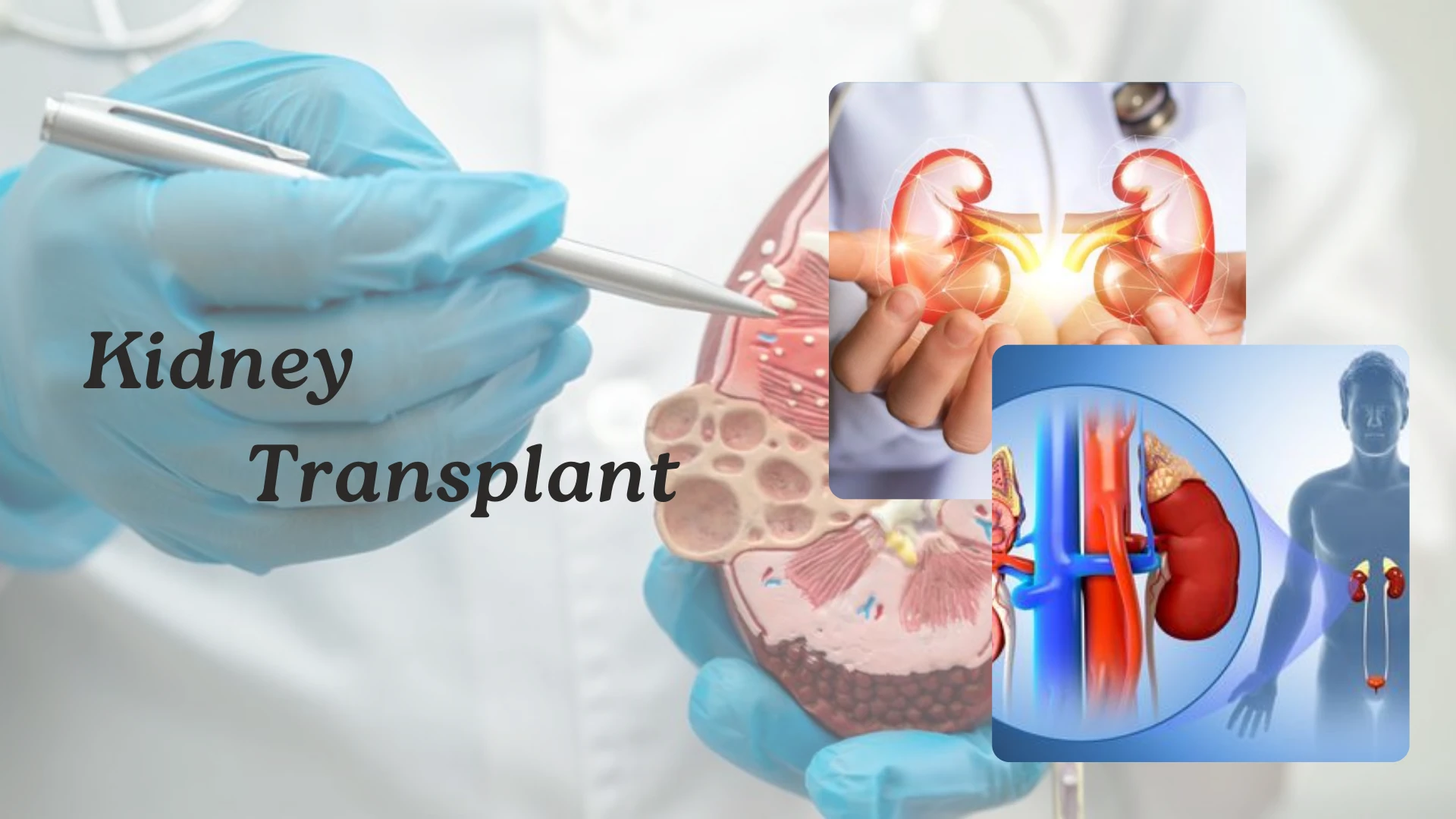

When dealing with kidney failure, finding the right medical support is essential for better outcomes and peace of mind. A Kidney Transplant Specialist in Mumbai plays a key role in helping patients understand their condition, explore treatment options, and successfully undergo a kidney transplant. From the first consultation to long-term recovery, the specialist ensures that every step is handled with care, precision, and expertise.
A kidney transplant specialist is trained to manage advanced kidney diseases and guide patients through the transplant journey. They work closely with a team of surgeons, nurses, and other healthcare professionals to provide complete and personalized care. Patients can expect clear communication, proper guidance, and continuous monitoring throughout the process.
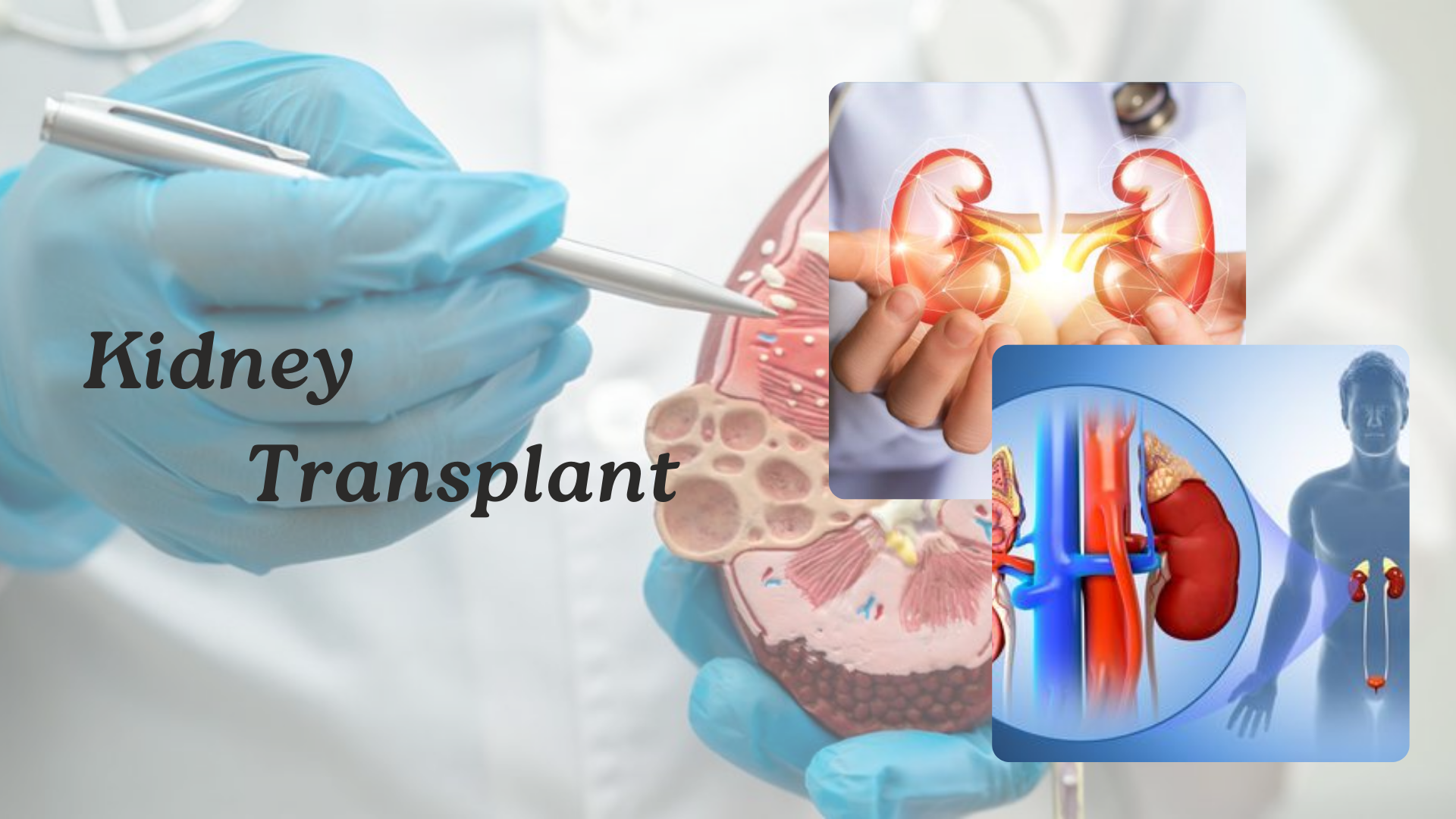
Understanding Your Condition and Treatment Plan
One of the first things a specialist will do is carefully evaluate your health condition. This includes reviewing your medical history, understanding the stage of kidney disease, and discussing whether a transplant is the right option for you. The doctor will explain everything in simple terms so that you can make informed decisions about your treatment.
Patients are also guided on whether they need dialysis temporarily or can directly proceed toward transplant preparation. This clarity helps reduce confusion and gives patients a clear roadmap for their treatment journey.
1. Initial Consultation and Diagnosis
Your journey begins with a detailed consultation. During this stage, the specialist will:
- Review your medical history and current condition
- Evaluate the stage of kidney disease
- Discuss treatment options, including dialysis or transplant
- Explain whether you are a suitable candidate for a kidney transplant
This step is essential because not all patients are immediately eligible for transplantation. The doctor will guide you on improving your health to qualify if needed.
2. Pre-Transplant Evaluation
Before the transplant, a series of tests are conducted to ensure your body can handle the procedure. These tests include:
- Blood tests for compatibility and overall health
- Imaging tests like ultrasound or CT scan
- Heart and lung function tests
- Screening for infections or other medical conditions
The specialist carefully reviews these results to minimize risks and improve transplant success. Matching a suitable donor is also a key part of this phase, as compatibility reduces the chances of organ rejection.
3. Guidance on Donor Selection
A kidney transplant specialist helps patients understand the types of donors available:
- Living donors (family members or relatives)
- Deceased donors (from organ donation programs)
They will guide you through compatibility testing such as blood type and tissue matching. A well-matched donor increases the chances of long-term success and better kidney function.
4. Preparing for the Surgery
Your specialist will provide clear instructions to prepare for the transplant surgery. This includes:
- Following a healthy diet and maintaining proper nutrition
- Managing blood pressure, diabetes, or other conditions
- Adjusting medications before surgery
- Avoiding smoking and alcohol
Proper preparation strengthens your body and helps in faster recovery after the transplant.
5. What Happens During the Transplant
During the procedure, the new kidney is placed in the lower abdomen and connected to blood vessels and the bladder. The surgery usually takes a few hours and is performed under general anesthesia.
Your specialist and surgical team monitor your vital signs throughout the operation to ensure safety and success.
6. Post-Transplant Care and Monitoring
After the transplant, your relationship with your specialist becomes even more important. You can expect:
- A hospital stay for monitoring and recovery
- Regular follow-up visits and blood tests
- Medications (immunosuppressants) to prevent organ rejection
- Guidance on diet, hygiene, and lifestyle changes
Initially, follow-up visits may be frequent, but they gradually reduce over time as your condition stabilizes.
7. Long-Term Support and Lifestyle Management
A kidney transplant specialist continues to support you even after recovery. Long-term care includes:
- Monitoring kidney function regularly
- Managing medications and side effects
- Preventing infections and complications
- Advising on a healthy lifestyle and routine check-ups
Successful transplant outcomes depend heavily on following your doctor’s advice and maintaining a disciplined lifestyle.
8. Emotional and Patient Support
Transplant specialists understand that patients go through emotional stress during this journey. They often provide counseling support or connect patients with support groups. A strong doctor-patient relationship helps build confidence and ensures better treatment outcomes.
Conclusion
Choosing an experienced Kidney Transplant Specialist in Mumbai ensures that you receive expert care at every step of your transplant journey. From diagnosis and donor matching to surgery and long-term follow-up, the specialist plays a vital role in improving your quality of life. With the right guidance, proper preparation, and continuous medical support, patients can successfully return to a healthier and more active life after a kidney transplant.






























Sign in to leave a comment.