

Kidney failure can be a life-altering condition that significantly impacts daily activities, quality of life, and long-term health. When kidneys can no longer perform their essential functions — filtering waste, balancing fluids, and regulating electrolytes — patients may require specialized medical care. One of the most effective and long-lasting treatment options for advanced kidney failure is a kidney transplant.
For many individuals seeking the best possible care, choosing a Kidney Transplant in Mumbai offers access to experienced transplant teams, modern facilities, and personalized post-operative support.
What Is a Kidney Transplant?
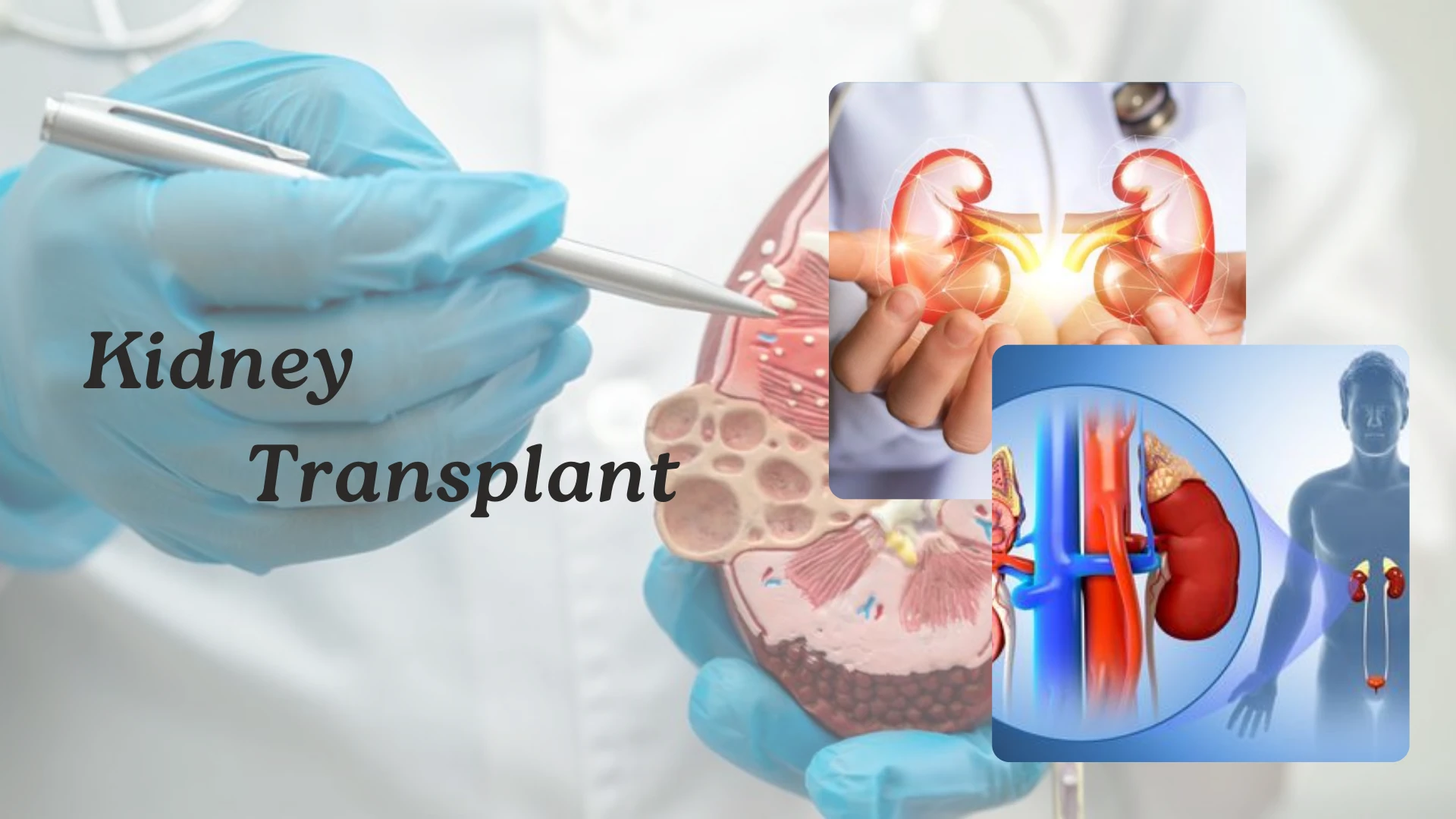
A kidney transplant is a surgical procedure that replaces a failed kidney with a healthy one from a donor. The donor can be a living person — often a family member or friend — or a deceased donor who has consented to organ donation. Unlike dialysis, which temporarily supports kidney function, a transplant restores more natural kidney function and allows many patients to return to a more normal life.
The transplanted kidney takes over the job of filtering blood and removing waste products, helping the patient regain energy, reduce complications, and improve overall well-being.
Why Do People Need a Kidney Transplant?
Kidney failure — also known as end-stage renal disease (ESRD) — occurs when one or both kidneys lose nearly all of their function. Common causes include:
- Chronic kidney disease due to diabetes or high blood pressure
- Glomerulonephritis (inflammation of kidney filters)
- Polycystic kidney disease (inherited condition)
- Long-term obstruction from urinary problems
- Repeated kidney infections
When kidney function drops below a critical level, waste and fluid build up in the body, leading to symptoms like fatigue, swelling, nausea, electrolyte imbalances, and high blood pressure. At this stage, a transplant often becomes the most effective long-term treatment.
How Does a Kidney Transplant Help Patients?
A successful kidney transplant can offer benefits that extend far beyond what dialysis alone can provide:
1. Better Quality of Life
Many transplant recipients experience increased energy, improved appetite, and enhanced physical function. With a working kidney, patients often feel more like themselves again.
2. Greater Freedom from Dialysis
While dialysis can sustain life, it requires frequent sessions and strict scheduling. A functioning transplanted kidney reduces or eliminates the need for dialysis, giving patients more flexibility.
3. Improved Health and Longevity
Transplant recipients generally have a lower risk of complications like cardiovascular disease compared to those on long-term dialysis.
4. Better Metabolic Function
A transplanted kidney can help maintain a healthier balance of fluids, electrolytes, and hormones — improving overall metabolic stability.
The Kidney Transplant Process
Undergoing a kidney transplant involves several key steps:
1. Evaluation and Testing
Before being placed on a transplant list, patients undergo extensive medical evaluations to assess overall health, immune compatibility, and transplant readiness.
2. Finding a Donor
A compatible donor match is essential. Living donors may be relatives or volunteers, while deceased donor kidneys are allocated based on waitlist priority and compatibility.
3. The Transplant Surgery
During surgery, the new kidney is placed in the lower abdomen. The patient’s own kidneys are usually left in place unless there’s a medical reason to remove them.
4. Post-Operative Care
After the transplant, patients stay in the hospital for monitoring. They begin lifelong anti-rejection medication to prevent the immune system from attacking the new kidney.
Life After a Kidney Transplant
After recovery, many transplant recipients enjoy:
- Increased energy and activity levels
- More dietary freedom compared to dialysis
- Improved emotional and social well-being
Regular check-ups, blood tests, and adherence to medication schedules are essential to help the transplanted kidney function for many years.
Why Choose Kidney Transplant in Mumbai?
Mumbai is known for its advanced healthcare infrastructure and experienced transplant specialists who provide compassionate and evidence-based care. Patients opting for a Kidney Transplant in Mumbai benefit from:
- Comprehensive pre-transplant evaluation
- Skilled surgical teams
- Personalized follow-up care
- Support with immunosuppression and long-term health planning
Conclusion
A kidney transplant is more than a surgical procedure — it’s a transformative step toward a healthier, more fulfilling life for patients with kidney failure. While dialysis provides temporary support, a successful transplant restores much of the body’s natural kidney function and enhances long-term quality of life.
For those considering advanced treatment options, Kidney Transplant in Mumbai offers experienced care, modern facilities, and a patient-focused approach that helps individuals regain strength, energy, and hope for the future.





























Sign in to leave a comment.