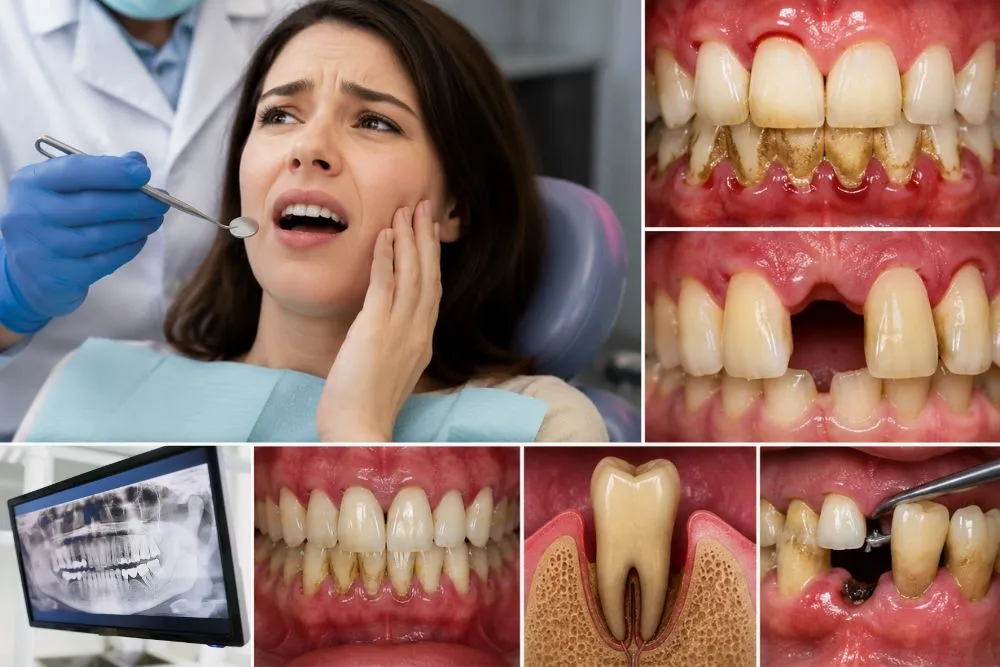

Protecting Your Teeth and Gums Through Regular Periodontal Maintenance
Why is Ongoing Gum Care Essential for Long-Term Oral Health?
Many people assume that once gum disease has been treated, the problem is permanently solved. Unfortunately, that is not always the case. Gum disease is a chronic condition that can return if it is not properly managed. This is where periodontal maintenance visits play a vital role.
If your dentist has recommended periodontal maintenance appointments, you may wonder whether they are truly necessary. The short answer is yes. These specialised visits help protect your gums, preserve your teeth, and reduce the risk of future dental complications.
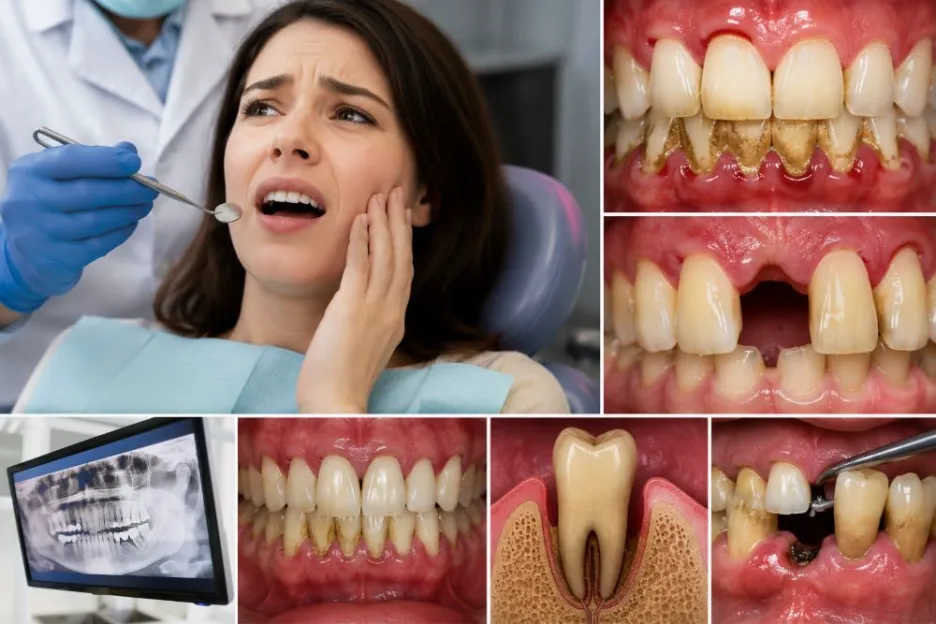
What Is Periodontal Maintenance?
Periodontal maintenance is an ongoing dental care program designed for patients who have previously received treatment for gum disease, also known as periodontal disease.
Unlike a routine dental cleaning, periodontal maintenance focuses on preventing the return of harmful bacteria that can accumulate below the gum line. During these visits, your dental team carefully monitors your gum health and removes plaque and tartar from areas that are difficult to reach with daily brushing and flossing.
The goal is to keep gum disease under control and prevent further damage to the supporting structures of your teeth.
Why Regular Maintenance Matters?
Many patients feel their gums are healthy once treatment is complete. However, gum disease-causing bacteria can begin to return within a few months after treatment.
Without regular professional care, this bacterial buildup can lead to:
- Gum inflammation
- Bleeding gums
- Deepening periodontal pockets
- Bone loss around teeth
- Tooth mobility
- Tooth loss
Periodontal maintenance visits help identify these problems early before they become serious and require more extensive treatment.
What Happens During a Periodontal Maintenance Visit?
A periodontal maintenance appointment is typically more comprehensive than a standard dental cleaning.
During your visit, your dentist or dental hygienist may:
Assess Your Gum Health
Your gums will be examined for signs of inflammation, bleeding, recession, or infection. Periodontal pocket measurements may also be taken to monitor any changes.
Remove Plaque and Tartar
Special instruments are used to remove plaque and hardened tartar from both above and below the gum line. This process helps eliminate bacteria that contribute to gum disease.
Perform Scaling and Root Planing
If necessary, scaling and root planing may be performed to clean root surfaces and reduce bacterial accumulation beneath the gums.
Review Your Home Care Routine
Your dental team may provide personalised advice on brushing, flossing, and oral hygiene techniques to help you maintain healthy gums between visits.
How Often Should You Schedule Periodontal Maintenance?
Most patients who have been treated for gum disease are advised to attend periodontal maintenance visits every three to four months.
This schedule is based on scientific evidence showing that harmful bacteria can repopulate below the gum line within a relatively short period.
However, every patient is different. Factors that may affect your maintenance schedule include:
- The severity of previous gum disease
- Smoking habits
- Medical conditions such as diabetes
- Oral hygiene practices
- Individual risk factors
Your dentist will recommend a schedule tailored to your specific needs.
The Risks of Skipping Maintenance Visits
Many people postpone periodontal maintenance appointments because their gums feel fine. Unfortunately, gum disease often progresses silently, especially in its early stages.
Skipping maintenance visits may increase the risk of:
- Recurring gum disease
- Progressive bone loss
- Persistent bad breath
- Gum recession
- Tooth loss
- More complex and expensive dental treatment
Regular maintenance allows your dental team to detect and address issues before they become serious.
Periodontal Maintenance vs Regular Dental Cleaning
A common misconception is that periodontal maintenance and routine dental cleanings are the same thing. In reality, they serve different purposes.
Routine dental cleanings are designed for patients with healthy gums and focus primarily on preventive care.
Periodontal maintenance, on the other hand, is specifically designed for patients with a history of gum disease. These visits involve deeper cleaning, more detailed monitoring, and customised treatment to help prevent disease recurrence.
Protecting Your Smile for the Future
Periodontal maintenance is one of the most effective ways to protect your oral health after gum disease treatment. These visits help preserve your natural teeth, reduce the risk of complications, and support your overall wellbeing.
By attending regular maintenance appointments and following your dentist's recommendations, you can significantly improve your chances of keeping your gums healthy and your smile strong for years to come.
Conclusion
So, do you really need periodontal maintenance visits? For anyone who has experienced gum disease, the answer is yes. These appointments are not simply routine cleanings—they are an essential part of long-term gum health management.
Investing in regular periodontal maintenance today can help you avoid more invasive procedures, reduce future dental costs, and protect your smile for the long term.


























Sign in to leave a comment.