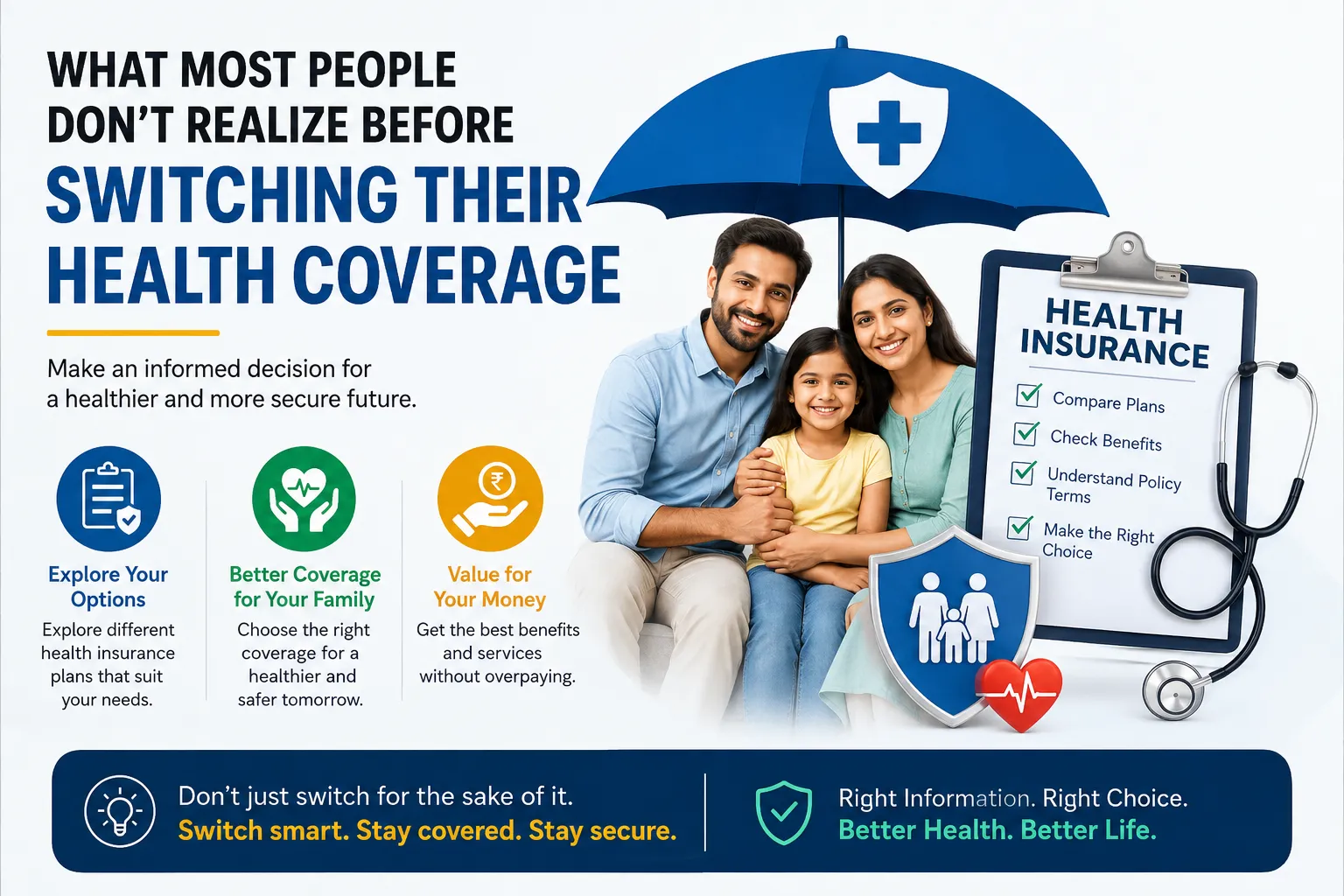

Health insurance is one of those things many people do not think much about until they need it. Whether it is rising premiums, better benefits, a change in employment, or simply finding a policy that seems more affordable, switching health coverage can appear to be a straightforward decision. However, what many people fail to realize is that changing a health insurance plan can have long-term effects on their financial security, access to healthcare, and overall peace of mind.
Many policyholders focus only on the monthly premium and overlook important details hidden within the policy terms. Questions such as can you have 2 health insurance plans often come up when individuals want extra protection or are considering keeping their existing policy while moving to a new one. Understanding how different insurance plans work together can prevent confusion and help people make better decisions before making the switch.
Why a Health Coverage Change Deserves More Attention
A health insurance policy is not just a financial product. It acts as a safety net during unexpected medical emergencies. When people rush into changing their coverage without reviewing the waiting periods, network hospitals, exclusions, and claim processes, they may discover unpleasant surprises when they actually need medical treatment.
This is particularly important in countries like India, where healthcare expenses continue to rise every year. A policy that looks attractive on paper may not necessarily provide the same level of protection when compared to an existing plan that has accumulated benefits over time.
The Importance of Checking Waiting Periods
One of the most overlooked factors when switching health insurance is the waiting period. Many health insurance plans have specific waiting periods for pre-existing conditions, maternity benefits, and certain treatments. If a person changes their policy without understanding these conditions, they may lose access to benefits they had already earned through continuous coverage.
A shorter premium bill may seem appealing initially, but if the new policy requires waiting several years before covering a medical condition, the long-term cost could be much higher than expected. Reviewing these clauses carefully can save significant financial stress in the future.
Network Hospitals Matter More Than You Think
Another common mistake is assuming all insurance providers offer access to the same hospitals. In reality, every insurer has its own network of healthcare facilities. A hospital that provided cashless treatment under an old plan may not be available under the new one.
Before switching, it is essential to verify whether preferred hospitals, specialists, and healthcare providers are included in the insurer’s network. During a medical emergency, having access to familiar and trusted healthcare facilities can make a substantial difference in both treatment quality and convenience.
Understanding Coverage Limits and Hidden Restrictions
Many people compare policies solely based on the sum insured. While the coverage amount is important, it is not the only factor that determines the effectiveness of a health insurance plan. Sub-limits on room rent, treatment procedures, ambulance charges, and post-hospitalization expenses can significantly affect claim settlements.
A policy offering a higher coverage amount may still result in larger out-of-pocket expenses if it includes restrictive conditions. Reading the policy wording carefully helps reveal these details before making a final decision.
The Risk of Losing Loyalty Benefits
Insurance providers often reward long-term policyholders through no-claim bonuses, increased coverage limits, and reduced restrictions over time. Switching to a new insurer without evaluating these accumulated benefits may result in losing valuable advantages that took years to build.
Many policyholders only realize this after moving to a new plan and discovering they must start building those benefits again from scratch. Comparing the long-term value of the existing policy against the proposed one is an important step in the decision-making process.
Can Health Insurance Be Canceled Anytime?
While evaluating a new policy, people frequently ask whether can you cancel health insurance at any time. The answer generally depends on the insurer’s terms and local regulations. Although many policies can be canceled, doing so without a replacement plan in place can create gaps in coverage that expose individuals and families to significant financial risks.
Even a short period without health insurance can become costly if an unexpected illness or accident occurs. Therefore, maintaining continuous coverage should always be a priority when planning a transition between policies.
Portability Can Be a Smarter Alternative
Instead of canceling an existing policy entirely, many people can benefit from health insurance portability. Portability allows policyholders to move from one insurer to another while retaining certain benefits such as waiting period credits.
This option provides flexibility without sacrificing all the advantages earned through years of continuous coverage. Exploring portability before purchasing a completely new policy can often deliver the best balance between improved benefits and uninterrupted protection.
Evaluating Family Healthcare Needs
Health insurance requirements change throughout life. A policy that worked well for a single individual may not provide sufficient coverage after marriage, parenthood, or caring for aging parents. Before switching, it is important to consider current and future healthcare needs rather than focusing solely on present circumstances.
A comprehensive evaluation of family medical history, expected healthcare expenses, and long-term financial goals can help identify whether the new plan truly offers better value.
Conclusion
Switching health coverage is a major financial decision that deserves careful thought. Beyond premiums and marketing promises, factors such as waiting periods, hospital networks, policy restrictions, loyalty benefits, and portability options can have a significant impact on future healthcare experiences. Taking the time to compare policies thoroughly helps avoid costly mistakes and ensures continuous protection when it matters most. For those considering a new policy, it is also important to understand whether they can buy health insurance and use it immediately, as many plans include waiting periods and conditions that may delay access to certain benefits. A well-informed decision today can provide stronger financial security and better healthcare support for years to come.






























Sign in to leave a comment.