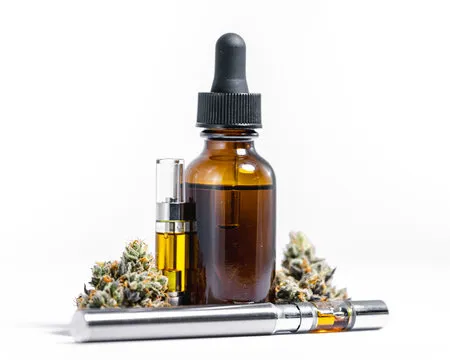

The cannabis vape market has changed more in the last five years than in the previous twenty. What used to be a niche corner of the industry — often unregulated and inconsistent — has matured into one of the most refined, technology-driven segments of legal cannabis. At the centre of that shift sits legal THC vape juice: cannabis oil engineered specifically for clean, consistent vaporization.
But maturity has also raised the bar. Today's buyers aren't just chasing the strongest hit or the loudest brand. They're reading lab reports, comparing extraction methods, and asking where the oil actually came from. If you're going to vape THC, it pays to understand exactly what you're inhaling — and how to tell a quality, compliant product from a cheap imitation.
This guide breaks down everything that matters: what THC vape juice is, how it works, the main types of oil, the safety standards that separate good products from bad ones, and a practical checklist for buying smart.
A quick note on "legal": Cannabis laws vary enormously between countries, states, and regions. "Legal THC vape juice" means a product sold through licensed, compliant channels that meet local regulations and testing requirements. Always confirm what's permitted where you live before buying.
What Is THC Vape Juice?
THC vape juice — also called THC vape oil or cannabis vape oil — is a cannabis extract formulated for use in vape pens, cartridges, and vaporizers. Its active ingredient is tetrahydrocannabinol (THC), the primary psychoactive compound in the cannabis plant.
The key word is formulated. Raw cannabis extract isn't ready to vape straight away. To work properly in a vape device, the oil needs the right viscosity, purity, and stability so it heats evenly, doesn't clog the coil, and produces smooth vapor. Getting that balance right is where extraction quality and manufacturing standards come in.
Unlike smoking, vaping doesn't rely on combustion. Instead of setting plant material on fire, a vape device gently heats the oil until it turns to vapor. That means no flame, no smoke, and a very different inhalation experience — one reason vaping has pulled so many adult consumers away from traditional methods.
You'll find THC vape juice in three main formats:
- Pre-filled cartridges that screw onto a reusable battery (the classic "510 thread" setup).
- Disposable vape pens that come charged and ready, then get recycled when empty.
- Refillable pods and tanks used with more advanced vaporizer hardware.
Why THC Vape Juice Became So Popular
The rise of THC vape juice wasn't an accident. A handful of practical advantages turned it into a mainstream choice almost overnight.
Convenience. Vape devices are compact, pocket-friendly, and require almost no preparation. No grinding, rolling, or cleanup — just inhale and put it away.
Discretion. Vapor dissipates faster and carries far less odor than smoke. For many adults, that's the single biggest reason they switched.
Dosing control. Because the oil is concentrated and the heating is controlled, it's easier to take a small, measured draw rather than committing to a full session. Newer devices add temperature settings that fine-tune both potency and flavor.
Variety. The modern market offers an enormous range of strain-inspired profiles, terpene blends, and concentrate types — something for almost every preference.
Better hardware. Leak-resistant cartridges, ceramic coils, and smarter batteries have made today's products dramatically more reliable than the early generation that earned vaping a mixed reputation.
How THC Vape Juice Actually Works
Understanding the mechanics helps you spot quality — and troubleshoot problems.
Inside every vape sits a heating element (the coil or atomizer) powered by a battery. When you activate the device, the coil heats the oil to a controlled temperature, just hot enough to vaporize the cannabinoids and terpenes without burning them.
Most quality devices now use ceramic coils or layered heating chambers that spread heat evenly. This matters more than people realize: uneven heating scorches the oil, kills flavor, and can produce harsh, unpleasant vapor. Even, gentle heat preserves the terpene profile and keeps each draw smooth.
The vapor travels up through the device and out the mouthpiece. Because nothing is combusted, you avoid the tar and ash associated with smoke. Many higher-end devices also include adjustable airflow and variable temperature settings, letting you dial in everything from thin, flavorful draws to dense, potent clouds.
The Main Types of THC Vape Oil
Not all THC vape juice is made the same way, and the extraction method defines the entire experience. Here are the four types you'll encounter most often.
Distillate
The workhorse of the industry. Distillate is highly refined and stripped down to almost pure cannabinoid content, which means very high potency and a clean, neutral base. Because the refinement process removes most natural terpenes, distillate products are often re-infused with botanical or cannabis-derived terpenes for flavor. Best for: potency-focused users who want consistency.
Live Resin
Live resin is made from cannabis that's flash-frozen right after harvest, locking in the plant's natural terpenes before they degrade. The result is a richer, more aromatic, more "true-to-plant" flavor. It's less about raw THC numbers and more about a full, layered sensory experience. Best for: flavor chasers and connoisseurs.
Full-Spectrum Oil
Full-spectrum products aim to preserve the widest possible range of cannabinoids and plant compounds, not just THC. The idea is a more natural, balanced composition where the various compounds work together. Best for: users who want a holistic, plant-faithful profile.
Solventless Concentrates
A growing premium category, solventless extracts (like rosin) are produced using only heat and pressure — no chemical solvents at all. They're prized for purity and a clean flavor profile, and they tend to command premium pricing. Best for: buyers who prioritize purity above all.
Quality and Safety: What Actually Separates Good from Bad
This is the section that matters most. As the market grew, so did the gap between premium, compliant products and cheap, untested ones. Here's how to tell them apart.
Third-party lab testing is non-negotiable. A trustworthy product comes with a Certificate of Analysis (COA) from an independent lab. This confirms the actual THC content and — just as importantly — screens for contaminants like pesticides, heavy metals, and residual solvents. If a brand can't show you a recent COA, treat that as a red flag, not a minor inconvenience.
Ingredient transparency. Reputable manufacturers tell you what's in the oil and how it was extracted. Be cautious of products that hide behind vague marketing language with no detail on composition. In particular, watch for cutting agents or thinning additives that have no place in a quality product.
Hardware quality. The cartridge matters as much as the oil. A well-engineered cartridge heats evenly, resists leaking, and doesn't taint the vapor with metallic or burnt notes. Cheap hardware undermines even good oil.
Responsible use. Quality is partly on you, too: store products upright and away from heat, use the correct charger, never overcharge the battery, and keep everything well away from children and pets.
Trends Shaping the THC Vape Juice Market
The category keeps evolving. A few forces are driving where it goes next:
- Strain-specific terpene profiles that faithfully recreate the aroma and character of popular cannabis cultivars.
- Premium and solventless extracts moving from niche to mainstream as buyers grow more flavor- and purity-conscious.
- Sustainability, with recyclable cartridges, reusable batteries, and lower-waste packaging gaining ground.
- Smarter hardware — precision temperature control, improved airflow engineering, and longer-lasting, more efficient batteries are quickly becoming standard rather than premium features.
How to Choose the Right THC Vape Juice
Pull it all together with this practical checklist before you buy:
- Demand the lab report. No COA, no purchase. Confirm it's recent and from an independent lab.
- Match the oil to your goal. Want maximum potency? Distillate. Best flavor? Live resin. Purity? Solventless. A natural profile? Full-spectrum.
- Check hardware compatibility. Make sure the cartridge or pod actually fits your battery or device. Mismatched hardware is a common cause of leaks and poor performance.
- Read real reviews. Look beyond the brand's own site for genuine user feedback on flavor, consistency, and reliability.
- Buy from compliant, licensed sources. This protects both your safety and your legal standing. Untested grey-market products carry the highest risk.
- Confirm your local laws. Legality differs by region — make sure the product is permitted where you are.
Frequently Asked Questions
Is THC vape juice the same as a regular vape juice? No. Standard nicotine or "e-liquid" vape juices are water-thin and built around propylene glycol/vegetable glycerine bases. THC vape juice is a cannabis oil concentrate with a different consistency, different hardware needs, and a completely different active ingredient.
How long does a THC vape cartridge last? It depends on cartridge size and how often you use it, but a standard cartridge typically delivers a few hundred draws. Lighter, occasional users may get weeks from a single cart.
Why does my vape oil taste burnt? Usually one of three things: the temperature is set too high, the coil is worn out, or you're vaping faster than the coil can keep up. Lower the temperature, take slower draws, and replace tired hardware.
Does vaping THC smell? Far less than smoking, and the smell fades quickly. It's one of the main reasons adults find vaping more practical — though it isn't completely odorless.
How should I store THC vape juice? Upright, sealed, and away from direct heat and sunlight. Heat thins the oil and accelerates terpene loss; light degrades cannabinoids over time.
Final Thoughts
THC vape juice has come a long way from the inconsistent products of the early vaping era. Better extraction, smarter hardware, and stricter testing have turned it into one of the most refined experiences in cannabis — but only when you buy carefully and get educational content from places like `legal THC Vape Juice.
The takeaway is simple: prioritize transparency over hype. A lab report, clear ingredient information, quality hardware, and a compliant, licensed source will tell you far more about a product than any flashy label ever could. Understand how the oil is made, match it to what you actually want, and you'll get a cleaner, more reliable, and more enjoyable experience every time.

























Sign in to leave a comment.