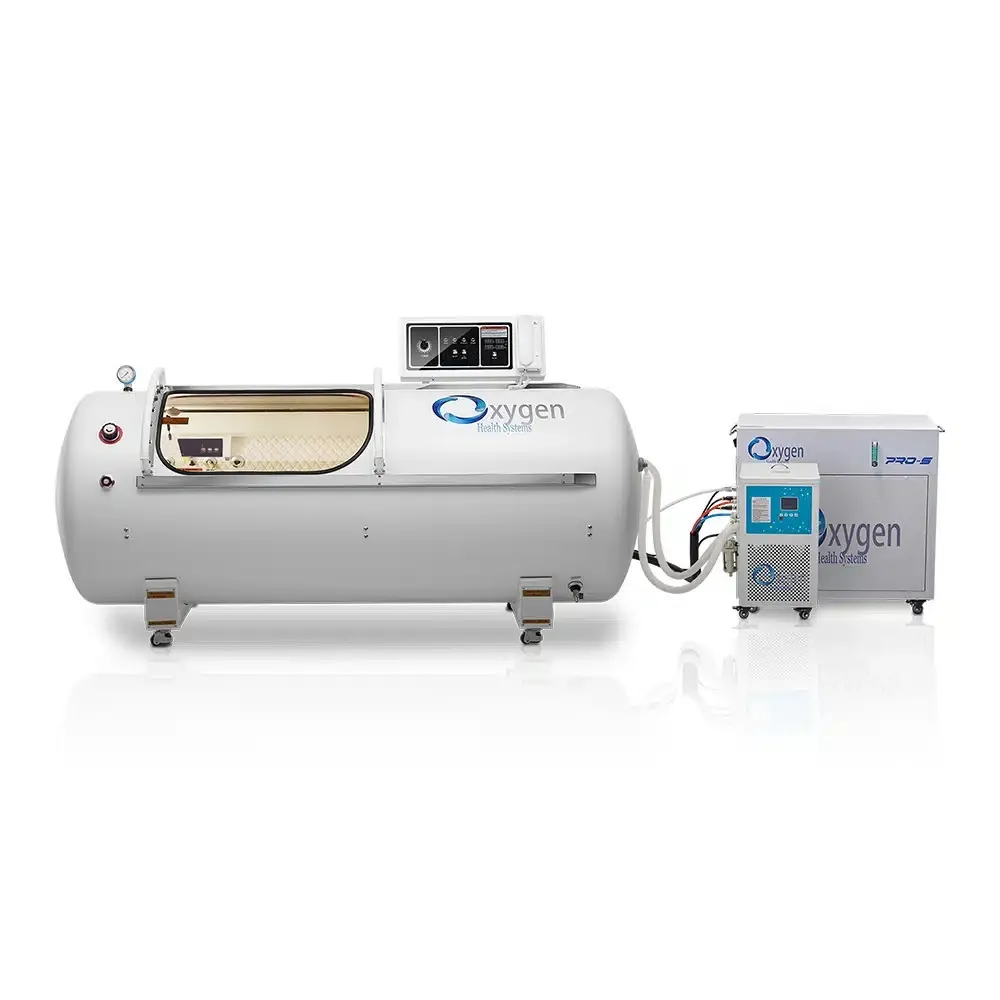

Recovery is rarely as simple as rest and patience. Anyone who has waded through a sports injury, a slow-healing wound, or the long tail of post-surgical fatigue knows that the body's natural repair process can feel frustratingly unhurried. Tissue needs oxygen to rebuild itself, yet ordinary breathing only delivers a fraction of what damaged cells actually require during the healing window. This is where 2 ATA hyperbaric chamber rental enters the conversation, offering a clinically grounded way to accelerate what the body already knows how to do, just faster and more efficiently.
Understanding why the number "2 ATA" matters, and how it influences the pace of tissue repair, requires stepping back to look at the biology of healing itself. Once that foundation is clear, it becomes much easier to see why more clinics, athletes, and households are turning toward hyperbaric oxygen therapy as a serious recovery tool rather than a passing wellness trend.
The Real Problem Behind Slow Healing
When tissue is injured, whether through surgery, trauma, or chronic inflammation, blood flow to that area often becomes compromised. Swelling compresses blood vessels, oxygen delivery drops, and the cells responsible for rebuilding collagen, generating new blood vessels, and fighting infection are left working with limited resources. This oxygen shortfall, known clinically as hypoxia, is one of the most common reasons wounds stall, surgical recovery drags on, or athletic injuries take longer to resolve than expected.
The body is not lacking in willingness to heal. It is lacking in fuel. And oxygen is the fuel that drives nearly every stage of tissue regeneration.
What 2 ATA Actually Means
ATA stands for atmospheres absolute, a unit used to describe pressure relative to sea level. Standing outside, breathing normal air, a person experiences one ATA of pressure. Inside a 2 ATA hyperbaric chamber, the pressure doubles, and the air inside becomes twice as dense as what the lungs are accustomed to.
This matters because pressure directly affects how much oxygen the blood can carry. Under normal atmospheric conditions, oxygen mostly travels through the body attached to hemoglobin in red blood cells. At 2 ATA, however, oxygen begins dissolving directly into blood plasma, bypassing the usual transport limits of hemoglobin. The result is a dramatic increase in the amount of oxygen reaching tissue, including areas where blood flow has been restricted by injury or swelling.
This is not a minor physiological tweak. Research into hyperbaric oxygen therapy has shown that plasma oxygen levels can rise several times above normal at this pressure range, allowing oxygen to reach cells that would otherwise be starved during the critical early stages of healing.
Why Tissue Repair Depends So Heavily on Oxygen
Every phase of tissue repair, from clearing damaged cells to building new capillaries to laying down fresh collagen, is oxygen-dependent. Consider what happens inside the body after an injury.
White blood cells rely on oxygen to destroy bacteria and clean up damaged tissue, which is why poorly oxygenated wounds are far more prone to infection. Fibroblasts, the cells responsible for producing collagen and rebuilding structural tissue, function far less efficiently in low-oxygen environments. New blood vessel formation, a process called angiogenesis, is also triggered by oxygen gradients; the body essentially senses where oxygen is lacking and grows new vessels to fix the shortfall.
When a 2 ATA hyperbaric chamber floods tissue with significantly more dissolved oxygen, it does not just support these processes; it accelerates them. Wounds that might have taken weeks to show visible progress often begin responding within days. Swelling reduces more quickly because oxygen-rich plasma helps regulate inflammatory signaling. And because infection risk drops when oxygen is abundant, the body can focus its energy on rebuilding rather than defending.
The Difference Between 2 ATA and Lower-Pressure Chambers
Not all hyperbaric chambers operate at the same pressure, and this distinction matters more than most people realize. Many mild or soft-shell hyperbaric units run at lower pressures, generally below 1.5 ATA, and are often used for general wellness, relaxation, or mild inflammation support. These lower-pressure environments do offer some oxygen benefit, but the physiological effect is considerably gentler.
A 2 ATA hyperbaric chamber, on the other hand, operates within the pressure range most closely associated with clinical-grade hyperbaric oxygen therapy. It is the pressure level most frequently referenced in medical literature for supporting wound healing, post-surgical recovery, and tissue trauma. In simple terms, if the goal is genuine tissue repair rather than general relaxation, pressure level is not a minor technical detail. It is the entire point.
This is also why understanding what a facility or rental provider actually delivers matters so much. A chamber advertised loosely as "hyperbaric" without specifying pressure may not come close to producing the oxygen saturation levels associated with faster healing.
Why Renting Makes Clinical-Grade Recovery More Accessible
Historically, access to a 2 ATA hyperbaric chamber meant scheduling sessions at a hospital or specialized clinic, often at a high cost and with limited availability. For someone recovering from surgery, managing a chronic wound, or pushing through an intensive athletic training block, that kind of logistical friction can slow down consistency, and consistency is exactly what hyperbaric therapy depends on to be effective.
2 ATA hyperbaric chamber rental changes that equation. Renting allows individuals and clinics alike to bring this level of oxygen therapy into a home or practice setting without the long-term financial commitment of an outright purchase. For patients managing a defined recovery period, such as post-surgical healing or rehabilitation from a sports injury, a rental period that matches the actual healing timeline often makes far more practical sense than ownership.
For clinics, rental also offers a way to test demand, support seasonal patient loads, or supplement existing recovery services without a large upfront capital investment. It lowers the barrier to offering a therapy that patients increasingly ask about by name.
The Story Behind Faster Recovery
Picture a recreational athlete recovering from a soft tissue injury, the kind that typically sidelines a person for six to eight weeks. Swelling limits blood flow to the injured area, and with it, the oxygen needed for repair. Traditional recovery relies on rest, gradual mobility work, and patience.
Now picture that same recovery supported by regular sessions inside a 2 ATA hyperbaric chamber. With oxygen dissolving directly into plasma and reaching the injury site even where blood flow is restricted, the inflammatory phase resolves more efficiently. New capillaries form sooner. Collagen rebuilding begins earlier than it otherwise would. None of this replaces the body's own healing intelligence, but it removes one of the biggest bottlenecks working against it: oxygen scarcity.
This is the story playing out across sports medicine practices, post-surgical recovery programs, and increasingly, home wellness setups. It is not about shortcuts. It is about removing an unnecessary obstacle from a process the body already knows how to complete.
What to Consider Before Renting a 2 ATA Chamber
Anyone exploring 2 ATA hyperbaric chamber rental should approach the decision with the same care they would apply to any medical-adjacent equipment. Pressure accuracy matters, chamber construction quality matters, and guidance from a knowledgeable provider matters just as much as the chamber itself.
It helps to ask direct questions. How is the chamber's pressure verified and maintained? What safety protocols are built into the rental agreement? Is there support available for understanding session frequency and duration based on individual recovery goals? A reputable provider should be able to answer these questions clearly, without vague marketing language standing in for real technical detail.
It is equally worth remembering that hyperbaric oxygen therapy works best as part of a broader recovery plan, not as an isolated fix. Nutrition, sleep, physical therapy, and medical guidance all still play their part. A 2 ATA hyperbaric chamber amplifies the body's healing capacity; it does not replace the fundamentals of good recovery practice.
Bringing It All Together
Tissue repair has always depended on one resource more than any other: oxygen. When injury or surgery disrupts normal blood flow, that oxygen supply becomes the limiting factor standing between a person and a full recovery. A 2 ATA hyperbaric chamber addresses that limitation directly, increasing dissolved oxygen in the blood plasma enough to reach tissue that would otherwise be left waiting.
For those weighing their options, the conversation should not stop at whether hyperbaric oxygen therapy works. The evidence for its role in supporting healing is well established. The more useful conversation is about fit. Does a defined recovery timeline make 2 ATA hyperbaric chamber rental a more sensible choice than ownership? Would a clinic setting benefit from offering this therapy without a large capital outlay? Would a home setup provide the consistency needed to see meaningful results?
Anyone considering this path is encouraged to have an honest conversation with a qualified provider, ask about pressure accuracy and safety protocols, and think realistically about how this therapy fits into their broader recovery journey. Healing is rarely about a single solution. It is about removing the obstacles that stand in the way of the body doing what it already knows how to do, and giving it the oxygen it needs to do that well.


























Sign in to leave a comment.