

At 7:12 a.m., the modern workday often begins before breakfast actually feels possible. A Slack ping, a school drop-off, a commute, a gym class squeezed in for sanity, then suddenly lunch is a sad vending-machine compromise or a delivery app decision made under stress 😅🥗. That daily scramble is exactly why meal prep has shifted from niche fitness ritual to mainstream survival system. For busy professionals, prep is no longer just about eating chicken and rice from identical containers. It is about protecting time, budget, energy, and health with a structure that can survive real life ✨🍱.
The numbers help explain the shift. The U.S. Bureau of Labor Statistics has consistently shown Americans spend thousands of dollars a year on food away from home, and foodservice inflation over the past few years made desk lunches and convenience dinners feel even more expensive 💸📈. At the same time, hybrid work changed eating patterns. People are not always commuting five days a week, but they are juggling more fragmented schedules, more solo lunches, and more decision fatigue. Meal prep sits right in that pressure point. It reduces weekday choices, limits impulse spending, and makes nutrition more predictable when calendars are chaotic 🗓️🍲.
What has changed, though, is the sophistication. Professionals are borrowing techniques from restaurant mise en place, sports nutrition, and digital productivity culture. They batch components instead of entire meals. They use freezer buffers. They prep for energy dips, not just hunger. They build menus around shelf life, transport, reheating quality, and protein targets. If you have already skimmed Effective Meal Prep Strategies for Busy Professionals, you know the basic logic. This deeper look goes inside the system itself: what works, what fails, what changed recently, and how smart professionals are making prep sustainable instead of punishing 🍜💼.
Meal prep works best when it removes decisions, not pleasure. The strongest systems are practical enough for Monday and flexible enough for Thursday 🍴✨.
Why meal prep became a professional time-management tool
Meal prep used to be framed mostly as a weight-loss tactic or a bodybuilding habit. That framing was too narrow, and honestly, a little boring 😌💪. The 2020s widened the category. Remote work, return-to-office mandates, inflation, and wellness tracking all pushed food planning into the same conversation as calendar blocking and inbox zero. Professionals started to see meals as operational infrastructure. If your lunch falls apart, your afternoon often does too 🧠⏰.
Research from the American Heart Association and public-health literature has long connected home cooking with better diet quality, including higher intake of vegetables and lower intake of sodium and ultra-processed foods 🥦❤️. But the practical appeal is just as important. A prepped lunch can cut the 20 to 40 minutes many office workers lose deciding, ordering, waiting, and picking up food. Across a five-day week, that can mean hours reclaimed. Multiply that over a year and meal prep starts looking less like domestic labor and more like a productivity strategy 📦⌛.
There is also a financial story here. Grocery prices remain a pain point in many markets, yet restaurant and app-based delivery costs have risen sharply once service fees, tips, and taxes are included 🍔📱. For professionals trying to control spending without sacrificing quality, the smartest prep systems focus on ingredients with multiple uses: rotisserie chicken turned into wraps and grain bowls, roasted vegetables split across dinners and lunches, yogurt used for breakfast and sauces, cooked beans stretched into soups and salads. That modular approach lowers waste and improves value, especially when compared with repetitive single-use meal plans 🫘🥙.
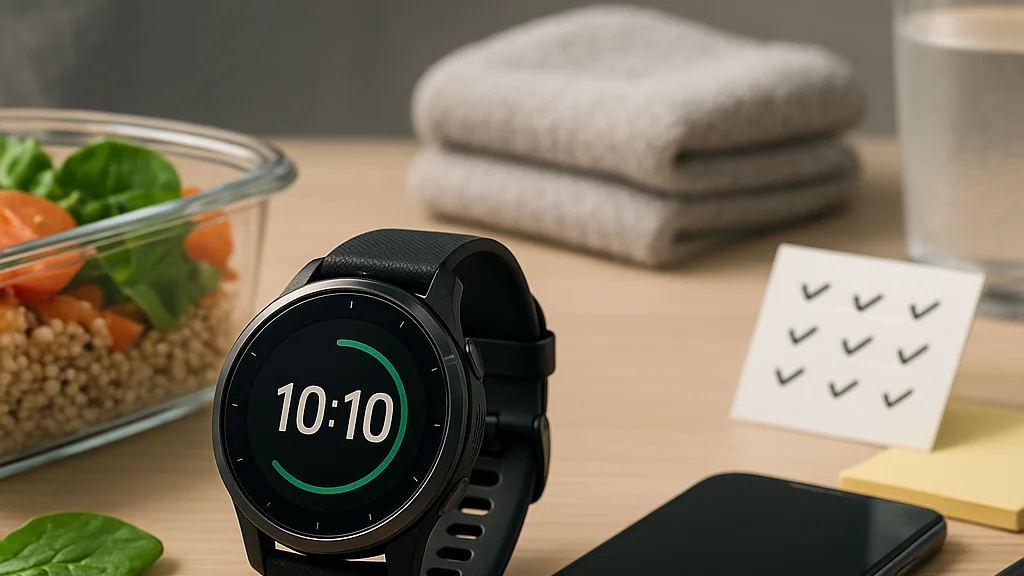
Another reason meal prep stuck is emotional. Decision fatigue is real. After a day of meetings, caregiving, deadlines, and commuting, food choices become harder, not easier 😵💫🍝. A prepared meal is a form of future care. It says your tired self still gets something decent. That is why many professionals now pair meal prep with broader routines like Sunday resets, wearable-based fitness goals, and grocery subscriptions. The meal is not isolated; it is part of a personal operating system 🌙📋.
WriteUpCafe’s Common Meal Prep Mistakes Busy Professionals Make in 2026 highlights a crucial point: the problem is rarely lack of discipline. More often, systems fail because they are too rigid, too repetitive, or unrealistic for the week ahead ⚠️🍱. That insight matters. The best prep plan is not the most ambitious one. It is the one that fits your actual Tuesday.
The inside architecture of a prep system that survives busy weeks
Professionals who succeed with meal prep usually stop thinking in terms of complete meals first. They think in components. This is the inside trick that separates sustainable prep from one-week enthusiasm 😌🔪. Instead of cooking five identical lunches, they prepare a protein, a starch, two vegetables, one sauce, and one emergency freezer option. That creates variety without requiring a new cooking session every night.
A strong prep architecture usually has four layers. The first is anchor protein: chicken thighs, baked tofu, turkey meatballs, salmon, lentils, eggs, or Greek yogurt-based options. The second is carbohydrate base: rice, quinoa, roasted potatoes, whole-wheat pasta, or wraps. The third is produce mix, split between sturdy vegetables that hold well and fresh items added later. The fourth is flavor insurance—dressings, spice blends, salsa, chili crisp, tahini sauce, pesto, or yogurt sauce 🌶️🥔.
That structure matters because shelf life is uneven. Roasted broccoli and cooked rice behave differently from sliced cucumbers and dressed greens. Busy professionals who prep effectively understand food quality curves. They know that some meals are for Monday and Tuesday, while freezer portions or pantry-based assemblies are for Thursday and Friday ❄️🥬. This is where many beginners fail: they prep all five days as if every ingredient will taste equally good on day five. It will not.
Most high-functioning systems also use a split-session model. One longer prep block, often on Sunday, handles chopping, roasting, grains, and proteins. A shorter midweek reset, sometimes just 20 minutes, refreshes perishables and rebalances the plan 🔄🍳. This second touchpoint is a small habit with huge returns. It prevents spoilage, reduces boredom, and catches schedule changes before they wreck the week.
- Batch cook durable staples: grains, beans, soups, braised proteins, and roasted vegetables store and reheat better than delicate salads or seafood-heavy dishes 🍚🥕
- Keep assembly separate from storage: sauces, crunchy toppings, herbs, and dressings should often be added later to preserve texture 🥜🌿
- Use a two-zone fridge strategy: ready-to-eat meals at eye level, raw ingredients and backup items lower down, so weekday choices stay frictionless 🧊📦
- Build one emergency meal: frozen dumplings, soup, burritos, or pasta sauce for the night when prep fails completely 🍜🚨
Even mainstream lifestyle coverage now reflects this shift. The MSN feature Protein-packed meal prep made simple and tasty emphasizes practical, protein-forward combinations rather than rigid diet templates. That is telling. The market increasingly rewards convenience plus flexibility, not punishment disguised as discipline 💡🍗.
The best meal prep is modular: one protein, one grain, one vegetable tray, one sauce, one backup. That small framework can produce a week of lunches without tasting like copy-paste food 🍱🎯.
What the data says about cost, nutrition, and wasted food
Meal prep is often sold with vague promises, but the measurable benefits are more specific. Cost control is the easiest to see. A homemade grain bowl with chicken, vegetables, and sauce may still be affected by grocery inflation, yet it often lands far below the price of an office-district lunch ordered through an app once fees are included 💵🥙. The exact savings vary by city and diet, but for many professionals, replacing three to five purchased lunches per week can free up meaningful monthly cash.
Waste reduction is another underappreciated advantage. The U.S. Department of Agriculture and the Environmental Protection Agency have repeatedly highlighted how much food is lost at household level, often because ingredients are bought with good intentions and then abandoned 🗑️🥬. Meal prep counters that by assigning ingredients a purpose before they spoil. A bag of spinach becomes omelets, pasta, and smoothie add-ins. Half an onion is not forgotten because it already belongs to tomorrow’s chili. This planned-use model matters more in 2026, when consumers remain highly price sensitive.
Nutritionally, the strongest evidence does not say meal prep guarantees a perfect diet. It says planning improves the odds of better choices. People who prepare food at home more often tend to consume fewer calories from restaurant meals and more nutrient-dense ingredients overall, according to multiple public-health studies 🍅📚. For busy professionals, the practical nutritional win is consistency. Protein is more evenly distributed across the day. Fiber intake rises when beans, grains, and vegetables are pre-positioned. Sodium often drops when sauces and packaged meals are used more selectively.
There is also a performance angle. Stable lunches can support steadier energy, especially if they combine protein, fiber, and enough carbohydrates to avoid the 3 p.m. collapse 😴⚡. This matters in cognitively demanding jobs. A lunch built only around convenience snacks may be fast, but it is rarely satisfying. Professionals who prep with energy in mind often report fewer emergency coffee runs and less evening overeating because they were not underfed all afternoon.
- Budget impact: replacing four purchased lunches a week with home-prepped meals can reduce recurring discretionary spending, especially in high-rent business districts 💳🏙️
- Nutrition impact: pre-portioned meals make it easier to hit protein and fiber goals while controlling sodium-heavy sauces and oversized restaurant portions 🥗📏
- Waste impact: planned ingredient reuse lowers the chance that produce and leftovers die quietly in the back of the fridge 😭🥒
- Time impact: one 90-minute prep block can eliminate multiple weekday food decisions and purchase trips ⏱️🍽️
Still, data cuts both ways. Overprepping can increase waste if the food is too repetitive to finish. Buying specialty ingredients for a fantasy menu can erase savings. That is why realistic menu design beats aspirational menu design every time. The point is not to prep like a wellness influencer. It is to eat well enough, often enough, at a cost and effort level your life can actually support ✨📦.
How 2026 changed meal prep: tech, protein trends, and hybrid routines
The meal prep conversation in 2026 feels different from even two years ago. First, protein has become the dominant organizing principle across mainstream food culture. You can see it in grocery merchandising, social media recipes, functional snacks, and wellness newsletters 🍗📲. Consumers are looking for satiety, muscle support, and blood-sugar steadiness, and meal prep has adapted. Cottage cheese sauces, high-protein wraps, Greek yogurt dressings, marinated tofu, edamame salads, and rotisserie-chicken hacks are now standard rather than niche.
Second, kitchen tech has gotten more useful, not just more flashy. Air fryers remain central because they reheat prepped food with better texture than microwaves alone. Multi-cookers still matter for beans, soups, shredded meats, and grains. Vacuum-sealing and glass container systems have become more common among serious preppers, while app-based grocery tools help users repeat orders and track staples 🛒🍠. The point is not gadget worship. It is friction reduction. If reheating tastes good and restocking takes one click, meal prep survives longer.
Third, hybrid work changed portioning logic. In a five-day office routine, lunches could be standardized. In a hybrid week, food needs move around. One day may need a portable cold lunch. Another may allow a hot home lunch. A late office day may require both snack and dinner backup 👜🏢. Smart professionals now prep by scenario rather than by day. They ask: What can travel? What can be eaten one-handed between calls? What still tastes good after a microwave? That scenario planning is one of the clearest recent shifts.
Social media has also matured a bit. The old aesthetic of rows of identical black containers is giving way to more realistic “component prep” content, including anti-burnout approaches and culturally diverse menus 🌮🍛. That matters because meal prep fatigue was real. People wanted flavor, not punishment. Current advice, including pieces like Top Meal Prep Strategies for Busy Professionals 2026, increasingly centers adaptability, freezer use, and avoiding the all-or-nothing trap.
One subtle but important 2026 development is the return of office culture in many sectors, but not uniformly. Some professionals are back in person most of the week; others are fully remote; many are mixed. That unevenness makes old one-size-fits-all food advice less useful 🤹♀️🍱. The winning prep systems now account for commuting days, client dinners, team lunches, travel, and home-office flexibility all in one plan.
Real-world strategies professionals actually use when schedules are brutal
Talk to lawyers, nurses, consultants, teachers, startup workers, and managers, and a pattern appears fast: the most effective meal prep is rarely the most Instagrammable 😌📸. It is the one designed around stress points. Some prep breakfasts because mornings are impossible. Others focus only on lunches because that is where spending leaks. Parents may prep snack boxes and one family dinner base. Shift workers often rely heavily on freezer meals because their schedule punishes same-day cooking 🌙🍳.
One common strategy is the “three plus two” model: prep three full lunches and two flexible backup options rather than five identical meals. This cuts boredom and protects against unexpected work events. Another is “cook once, season twice,” where one neutral protein batch becomes different meals through sauces and toppings. Chicken can become a rice bowl with chili crisp on Monday and a wrap with yogurt-herb sauce on Wednesday 🌯🔥.
There is also the desk-drawer pantry method, especially useful for office workers. Keep tuna packets, whole-grain crackers, nuts, instant oats, shelf-stable soup cups, or nut butter at work, then pair them with fresh items brought from home. That creates a low-effort fallback when meetings run long or a prepped lunch gets forgotten 🥜🗃️. It is not glamorous, but it prevents expensive panic purchases.
For professionals who travel or commute heavily, portability becomes the lead criterion. Grain salads, pasta salads with sturdy vegetables, wraps, egg bites, overnight oats, chia puddings, and bento-style boxes perform better than delicate hot meals in transit 🚆🥣. Texture is part of strategy. So is smell. Fish may be nutritious, but many offices are not emotionally prepared for reheated salmon at noon, and honestly, we all know it 😭🐟.
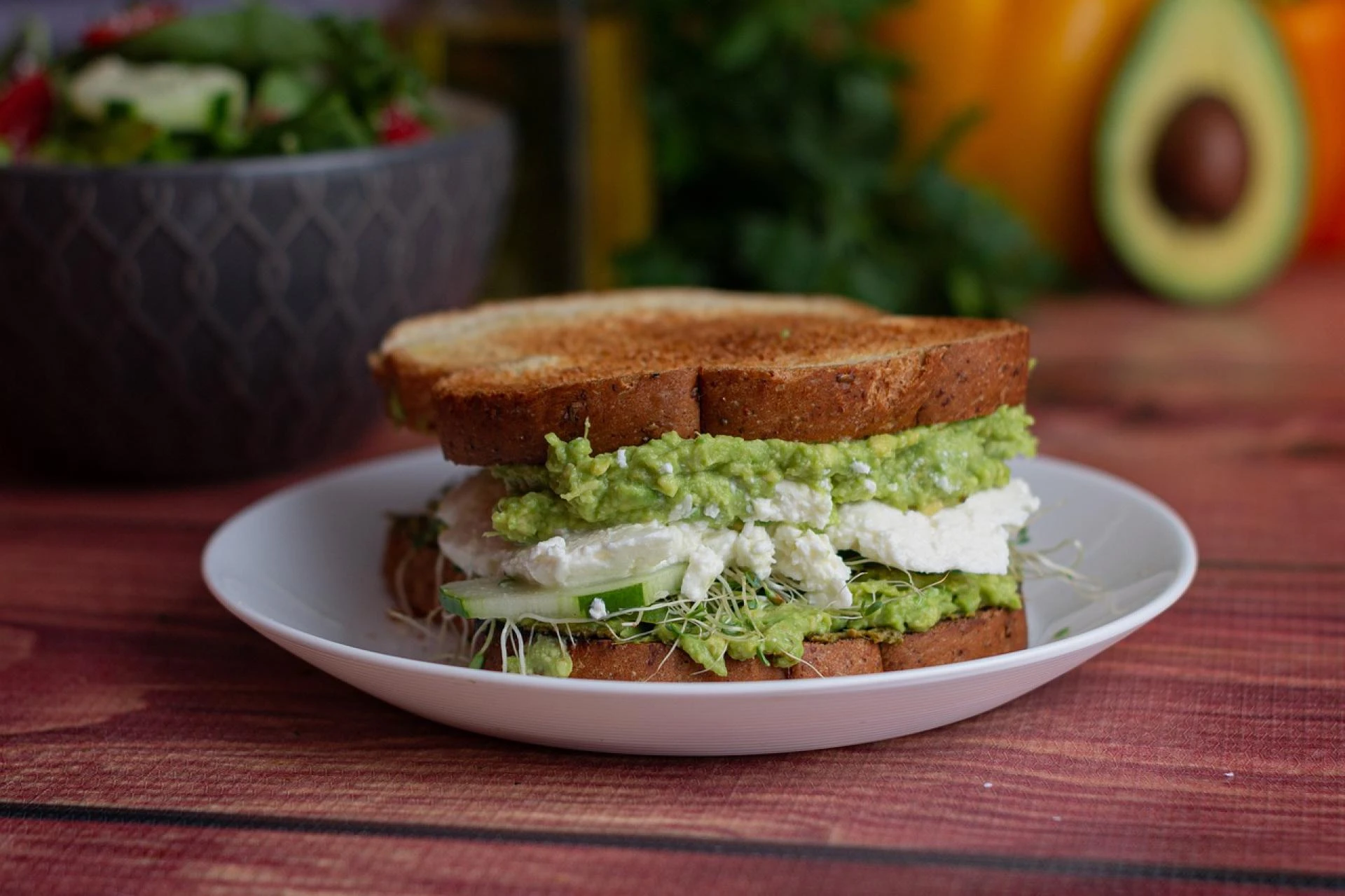
Another real-world tactic is using “prep gradients.” Sunday handles the longest-cooking items, while weekday meals are partially assembled in minutes. Roast a tray of vegetables, cook rice, marinate tofu, and make a sauce on the weekend; during the week, add avocado, herbs, greens, or a fried egg for freshness 🥑🍳. This hybrid model feels less stale and often improves adherence because the food still feels alive, not like leftovers from another era.
- For office-heavy weeks: prioritize transportable lunches, low-mess snacks, and meals that reheat evenly in shared microwaves 🏢🍲
- For remote weeks: prep components, not boxes, so lunch can be assembled quickly between calls 💻🥗
- For travel weeks: freeze portions before departure and leave shelf-stable backups at home for the return ✈️🧊
- For high-stress periods: simplify menus to repeating breakfasts and two dinner formulas rather than chasing variety for its own sake 😵💫🍝
Actually, this is where many professionals become more successful after they lower the ambition. A week of decent, repeatable meals beats a Sunday marathon that leaves you exhausted and resentful. Meal prep should support your life, not cosplay as a second unpaid job ✨💼.
The mistakes that quietly ruin meal prep and how experts avoid them
The biggest meal prep failures are usually structural, not motivational. First comes overproduction. People cook too much food, too many recipes, or too many ingredients with short shelf lives. By Wednesday, they are tired of the flavors; by Friday, they are throwing things away 😭🧊. Experts avoid this by planning for appetite variability and social reality. If you might eat out once, do not prep seven dinners. If you hate soggy greens, stop pretending that dressed salads will survive four days.
Second is flavor monotony. Repetition kills good intentions fast. The fix is not cooking five separate meals. It is using flavor pivots: one tahini sauce, one salsa verde, one spicy peanut dressing, one pickled onion jar, one herb mix 🌿🌶️. These small additions create contrast without adding major labor. The same rice and chicken can feel totally different with Mediterranean, Korean-inspired, or Latin-style seasoning profiles.
Third is poor food safety and storage practice. Cooked rice, proteins, and cut produce all have different holding windows. Containers need to cool appropriately before refrigeration, and leftovers should be consumed within safe time frames according to food-safety guidance 🧪🍚. Professionals who prep well are often surprisingly disciplined about labels, dates, and freezer rotation. They know convenience disappears if trust in the food disappears.
Then there is the healthy-food trap: prepping meals that look virtuous but are not satisfying. A lunch too low in protein, fat, or carbs can trigger afternoon snacking and evening overeating 🍪⚖️. Satiety matters. The MSN piece on protein-packed meal prep reflects a broader truth here: protein is not a trend only for gym culture. For many workers, it is the difference between a lunch that carries them through meetings and one that leaves them hunting for pastries at 3:30 p.m. 🍳💥.
Finally, some people mistake containers for strategy. Buying matching boxes can be cute, but it does not solve planning, flavor, or timing 😅📦. The expert move is simpler: design around your hardest meal, your most chaotic day, and your lowest-energy moment. If breakfast is where you fail, prep breakfast. If Thursday is your collapse day, build Thursday backup. That mindset is more useful than any aesthetic setup.
Meal prep fails when it is built for your ideal self. It succeeds when it is built for your busiest, least patient, most tired self 🌙🍽️.
What to watch next and how to build a system that lasts
Meal prep is likely to keep moving toward personalization. The next phase is not just better recipes; it is better alignment with work patterns, health goals, and household structures 📈🍲. Expect more crossover with wearable data, grocery subscriptions, and AI-assisted planning tools that help users generate shopping lists from calendar constraints. But the core principles probably will not change much: reduce decisions, front-load effort, preserve flexibility, and protect enjoyment.
There is also a cultural shift toward more globally influenced prep menus. Professionals want meals that feel exciting enough to repeat, which means more gochujang marinades, shawarma-spiced chickpeas, chimichurri bowls, miso dressings, and noodle-based lunch systems 🌍🍜. That diversity is not cosmetic. It is a retention strategy. People stick with meal prep longer when the food tastes like something they would actually crave.
If you are building a system from scratch, start smaller than you think. Prep one breakfast, one lunch formula, and one emergency dinner. Repeat for two weeks before adding complexity 📝✨. Track what goes uneaten. Notice which textures survive storage. Learn your own appetite rhythms. Some professionals need larger lunches and lighter dinners; others do better with heavy breakfasts and portable afternoon snacks. Your prep should reflect your energy curve, not someone else’s social feed.
A durable system usually includes these habits: a short inventory before shopping, one anchor cooking session, one midweek refresh, one freezer backup, and one honest review of what got wasted. That review matters. It turns meal prep from a performance into a feedback loop 🔁🍱. Over time, the process becomes less about recipes and more about pattern recognition.
Busy professionals do not need perfection. They need reliability with enough pleasure to keep going. That means choosing recipes that reheat well, ingredients that multitask, flavors that stay interesting, and routines that can bend without breaking 💖🥘. Meal prep, at its best, is not a rigid lifestyle badge. It is a quiet act of self-respect. And actually, in a week full of deadlines, pings, and rushed decisions, that kind of care can feel almost luxurious ✨💼.

























Sign in to leave a comment.