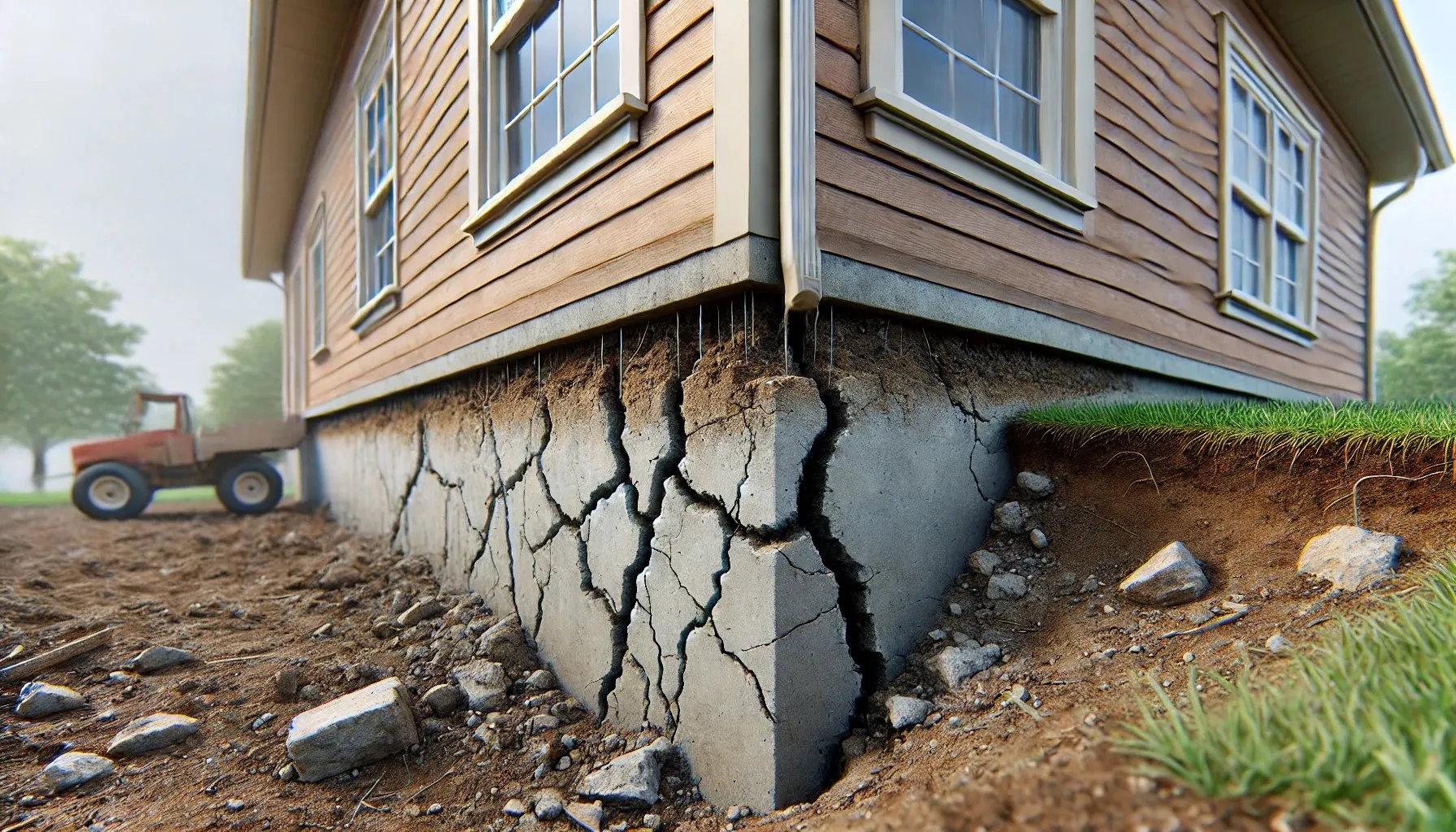

A sinking foundation can slowly change the shape and stability of your home. The problem may begin with a small crack or a door that suddenly sticks, but these signs should not be ignored. Foundation movement can worsen over time and affect walls, floors, windows, and other parts of the building. Spotting early warning signs gives homeowners a better chance to address the problem before it becomes more serious.
1. Cracks in Walls and Floors
Cracks are one of the most visible signs of foundation movement. However, not every crack means your foundation is sinking. Small surface cracks can happen as materials naturally expand and shrink.
Pay closer attention when cracks:
- Appear suddenly or become wider.
- Run diagonally across walls.
- Extend from doors or windows.
- Continue from walls into ceilings.
- Appear in basement floors or foundation walls.
- Keep getting longer over time.
Large or growing cracks deserve professional attention, especially when they appear in several areas of the home.
2. Doors and Windows Start Sticking
Have you noticed that a door that once opened easily now gets stuck? Or perhaps a window no longer closes properly?
This can happen when the structure around the opening moves. A sinking section of foundation can put pressure on walls and frames, changing their position slightly.
Watch for several doors or windows developing problems at the same time. One sticky door may simply need adjustment, but multiple affected openings can be a more important warning sign.
3. Uneven or Sloping Floors
Your floors should generally feel level and stable. If you notice that furniture seems to lean, objects roll across the floor, or one part of a room feels lower than another, foundation movement could be involved.
A sloping floor does not always mean the foundation is sinking. Older homes can have uneven floors for other reasons. Still, a new or worsening slope should be checked, particularly if it appears together with wall cracks or sticking doors.
Professional inspection can help determine whether the problem is related to the foundation or another part of the building.
4. Gaps Around Doors, Windows, or Walls
Changes in the foundation can cause parts of a house to shift away from each other. This may create unusual gaps that were not present before.
Look for:
- Gaps between walls and ceilings.
- Spaces around window frames.
- Separations between walls and floors.
- Exterior gaps around doors.
- Visible separation between additions and the main structure.
These gaps can be especially concerning when they are becoming larger. Take clear photos when you first notice them so you can compare their size later.
5. Chimney or Exterior Walls Begin to Lean
A leaning chimney is a warning sign that should not be ignored. Because chimneys are heavy and often connected to a different foundation or support system, movement can become visible as the structure shifts.
You may notice:
- A chimney that no longer looks straight.
- Cracks around the chimney.
- Separation between the chimney and exterior wall.
- Gaps in brick or masonry.
- Exterior walls that appear to bow or shift.
Do not try to correct a leaning structure yourself. A qualified professional should inspect it and identify the cause.
Why Winnipeg Homes May Need Special Attention
Weather and soil conditions can affect how a foundation behaves. Changes in moisture, freezing and thawing, drainage problems, and soil movement may all contribute to foundation stress.
For homeowners searching for foundation repair in Winnipeg, it is important to choose a professional who understands local building conditions. A proper inspection can help identify whether the foundation has actually moved and what may be causing the movement.
Do Not Ignore Small Changes
Foundation problems rarely become easier to fix by simply being ignored. A small crack may remain harmless, but a crack that grows over several months tells a different story.
Create a simple record of changes around your home. Take photographs and note when you first noticed each problem. This information can help a professional understand how quickly the condition is changing.
Also check areas that are easy to overlook, such as:
- Basements
- Crawl spaces
- Garage floors
- Exterior brickwork
- Basement windows
- Areas around plumbing openings
Check Drainage Around Your Home
Water management is an important part of protecting a foundation. Water that collects beside foundation walls can increase moisture problems and may affect surrounding soil. After heavy rain, look around your property for standing water. Check whether gutters and downspouts are directing water away from the foundation.
Simple maintenance can include:
- Cleaning blocked gutters.
- Extending downspouts away from the home.
- Removing soil or debris that blocks drainage.
- Watching for repeated water pooling.
- Keeping an eye on basement moisture.
These steps do not repair a damaged foundation, but they can help reduce avoidable water-related problems.
When Should You Call a Professional?
It is wise to arrange an inspection when several warning signs appear together or when an existing problem is getting worse. For example, a growing wall crack combined with uneven floors and sticking doors deserves more attention than one tiny cosmetic crack.
When contacting foundation repair in Winnipeg professionals, ask whether they provide an inspection before recommending repairs. A good contractor should explain what they found and why a particular repair is necessary.
Avoid making a decision based only on the first suggested solution. If the issue is significant, getting another professional opinion can help you understand your options.
Finding Local Foundation Professionals
Finding a suitable contractor can take time, especially when you are not sure where to start. MarketLister.ca is a leading classified ads and listing website where homeowners can find local service providers and compare available businesses.
You can use local listings to review business information, contact professionals, and ask questions about their services before arranging an inspection. A listing platform should not replace proper research, but it can make the first step easier.
Final Thoughts
A sinking foundation can show itself in many ways, from growing cracks and sloping floors to sticking windows and gaps around walls. One sign alone may not confirm a foundation problem, but several changes happening together deserve professional attention.
If you notice signs of movement, do not wait until the problem becomes obvious throughout the house. Early inspection can give you a clearer understanding of the cause and help you make a sensible decision about repairs. For homeowners seeking foundation repair in Winnipeg, comparing qualified local professionals and asking for a clear inspection report can be an important first step toward protecting the home.
Frequently Asked Questions
1. What are the signs of a sinking foundation?
Common signs include cracks in walls and floors, sticking doors and windows, uneven or sloping floors, gaps around doors and windows, and a leaning chimney. If you notice several of these signs together, it's important to seek professional inspection.
2. How can I tell if a crack in my wall is serious?
Not all cracks indicate a serious foundation issue, but you should be concerned if cracks appear suddenly, widen over time, or run diagonally. Large cracks, especially those that appear in multiple areas of your home, warrant professional evaluation.
3. What should I do if my floors are uneven?
Uneven floors can be a sign of foundation movement, but they may also result from other issues in older homes. If you notice sloping or leaning furniture, especially alongside other signs like wall cracks, it's wise to have a professional inspect your foundation.
4. How important is drainage in preventing foundation problems?
Proper drainage is crucial in protecting your foundation from water-related issues. Standing water near your foundation can increase moisture problems and affect soil stability, so regular maintenance of gutters and downspouts is essential.
5. When should I call a foundation repair professional?
You should contact a professional if you notice several warning signs appearing together or if an existing problem worsens over time. It's best to seek inspection before repairs are suggested to ensure you understand the underlying issues.
6. How can I find a reliable foundation repair contractor?
You can find local contractors through classified ads and listing websites like MarketLister.ca. It's advisable to compare businesses, read reviews, and ask questions about their services before scheduling an inspection.
7. Can small cracks be ignored?
While small cracks may not be serious initially, ignoring them can lead to bigger problems over time. Keeping a record of any changes and monitoring them can help you determine when to seek professional advice.


























Sign in to leave a comment.