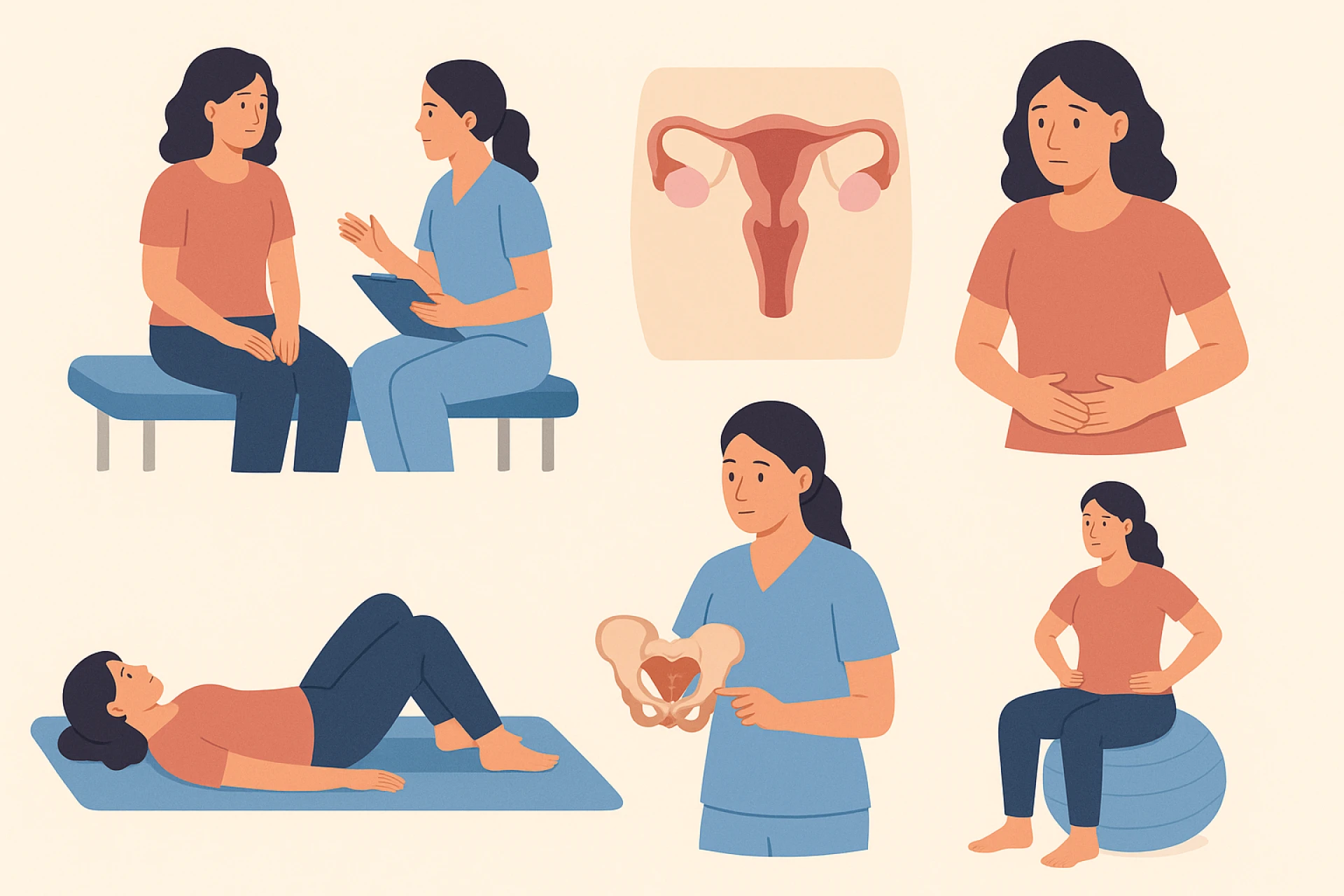

Let's talk about something that doesn't get nearly enough attention. Pelvic floor physiotherapy.
If you're reading this, chances are you already know that pelvic health issues can really affect your day-to-day life. Perhaps you've been experiencing uncomfortable symptoms for some time now. Possibly your doctor mentioned it after having a baby, or maybe you've just been Googling at 2 AM, trying to figure out why things feel... off.
Here's the thing. Pelvic floor physiotherapy is a specialized area of healthcare that focuses on the muscles, ligaments, and tissues supporting your pelvic organs. Despite how important this is, pelvic health is still one of those topics people don't talk about enough. Too many people suffer quietly because they feel embarrassed or think there's nothing that can be done.
But there is.
Whether you're struggling with incontinence, dealing with pelvic pain, or trying to recover after childbirth, pelvic floor physiotherapy actually offers real, evidence-based solutions. And if you live in Guelph, you're in luck. Our community has always prioritized health and wellness, and there are qualified pelvic floor physiotherapists right here who can assist.
This guide walks you through what you really need to know about pelvic floor physiotherapy in Guelph. The goal? To help you understand what's happening, what's available, and hopefully give you the confidence to take that first step toward feeling better.
1. What is Pelvic Floor Physiotherapy?
Okay, so what exactly are we talking about here?
Pelvic floor physiotherapy is basically a specialized type of physical therapy. However, instead of focusing on your knee or shoulder, it targets your pelvic floor muscles. These are the muscles that most people don't even think about until something goes wrong.
Your pelvic floor is actually this complex network of muscles, ligaments, and connective tissues. Picture a hammock that stretches from your pubic bone to your tailbone. That's what it looks like. These muscles are holding up some pretty important stuff: your bladder, your rectum, and (if you're a woman) your uterus. For men, it's supporting the prostate too.
When everything's working right, you don't even notice these muscles. They just do their job. But when they get weak, too tight, or stop coordinating properly? That's when problems begin to appear.
A pelvic floor physiotherapist has undergone specialized training to understand how to assess and treat issues in this area. They use hands-on techniques, teach you specific exercises, and provide you with education about what's happening with your body. The conditions they treat include things like urinary incontinence (when you leak pee), fecal incontinence, pelvic pain, pain during sex, and issues related to pregnancy or postpartum recovery.
And here's something important. This isn't just for women. Men need pelvic floor physiotherapy too, especially if they're dealing with prostate issues, pelvic pain, or leaking after prostate surgery.
The primary goal is to help your pelvic floor function more effectively, alleviate pain, and enable you to resume your daily life without constant concern about your symptoms.
2. Why is Pelvic Floor Health Important?
You may wonder why these specific muscles are so important.
Your pelvic floor is actually working all the time. Right now, as you're reading this, these muscles support your organs, help you control when you pee or poop, keep your core stable, and play a role in sexual function. When everything's working correctly, you can exercise, laugh at a joke, sneeze during allergy season, and go about your daily activities without thinking twice.
But when something's off with your pelvic floor, it affects way more than you'd expect.
A weak or dysfunctional pelvic floor can cause urinary incontinence. That means leaking when you jump, run, cough, or even just sneeze. Embarrassing, right? It can also lead to something called pelvic organ prolapse, where your organs literally drop down from where they should be. You may feel pressure, heaviness, or a sensation of something bulging. Not fun.
Sexual dysfunction is another big one. Pain during intercourse. Reduced sensation. These issues can put severe strain on relationships and just make you feel disconnected from your own body.
And then there's pain: lower back pain, hip discomfort, or pain in the pelvic area itself. Sometimes the pelvic floor is the culprit, but people don't realize it because they're focused on treating their back or hips instead.
So what causes pelvic floor problems?
Pregnancy and childbirth are huge factors. Think about it. You're carrying extra weight for months, then pushing a baby out. Those muscles go through a lot. But it's not just about having kids. As we age, muscle tone naturally decreases everywhere, including in the pelvic area. Chronic constipation strains these muscles over time. Heavy lifting can damage them. High-impact exercise, chronic coughing (like if you have asthma or you're a smoker), and even genetics play a role.
The bottom line? Your pelvic floor health matters. A lot. Understanding that is the first step toward actually doing something about it.
3. Signs You Might Need Pelvic Floor Physiotherapy
How do you know if you need help?
A lot of people brush off pelvic floor symptoms. They think it's just part of getting older, or having kids, or whatever. They assume it's normal. But here's the truth: common doesn't mean normal. And you definitely don't have to just live with it.
Here are some signs that pelvic floor physiotherapy in Guelph could really help you:
Incontinence is the most obvious one. If you leak urine when coughing, sneezing, laughing, jumping, or exercising, that's called stress incontinence. Or you get these sudden, intense urges to pee, and sometimes you can't make it to the bathroom in time. That's urge incontinence. Both are treatable. Fecal incontinence happens, too, though people talk about it even less. However, physiotherapy can also help with that.
Pelvic pain that persists or lacks a clear cause is another red flag. This could be pain in your lower belly, pelvis, or around your tailbone. If it's been bothering you for a while, it's definitely worth getting checked out.
Pain during sex is something that affects way more people than you'd think. It's called dyspareunia. It can make intimacy difficult or impossible, which obviously impacts your relationships and how you feel about yourself.
Frequent or urgent urination is another sign. Are you urinating more than 8 times a day? Getting up multiple times every night? Feeling like you always have to go right now? Your pelvic floor may not be functioning correctly.
Lower back pain that persists is often related to your pelvic floor. If you've tried everything else and the issue persists, this could be the missing piece.
Look, if you're experiencing any of these things, you haven't done anything wrong. Pelvic floor problems are super common. There's no reason to feel embarrassed. Talking to a healthcare professional about this is actually one of the smartest things you can do for yourself.
4. How Pelvic Floor Physiotherapy Works
What happens if you decide to go for pelvic floor physiotherapy?
I get it. The whole process can feel intimidating, especially if you're unsure of what to expect. But understanding the process can help ease some of that nervousness.
Your first session typically begins with a conversation. A lot of talking, actually. Your physiotherapist will want to hear about your medical history, what symptoms you've been dealing with, how long they've been going on, and what you're hoping to get out of treatment. This conversation takes place in a private setting, and good physiotherapists understand the sensitivity of this topic. They'll create a judgment-free environment where you can speak openly.
Now, depending on what's happening and what you're comfortable with, the assessment may include an internal examination. Yes, that means internal. But here's the important part: this only happens with your explicit consent. You're always in control.
The physiotherapist needs to evaluate factors such as muscle strength and coordination, and identify any areas of tightness or weakness. But if you're not ready for that, or if it's not necessary for your particular situation, the assessment can be modified. It's your body, your choice.
Once they understand what's happening, they'll create a treatment plan just for you. This isn't one-size-fits-all.
You might learn exercises. Some to strengthen muscles that are too weak. Some to relax muscles that are too tight. (Yes, sometimes the problem is tension, not weakness.) Manual therapy techniques can help release tight tissues and improve joint mobility. Biofeedback is cool, too. It's a way to see or feel what your pelvic floor is actually doing, which helps you learn to control it better.
Education plays a significant role in the overall process. Your physiotherapist will teach you about bladder habits, proper posture, breathing techniques (yes, how you breathe matters), and lifestyle changes that can help.
As you make progress, your treatment plan will be adjusted accordingly. Your physiotherapist will continue to monitor your progress, adjusting as needed to ensure optimal results. The pace is based on you and how your body responds.
And just so you know: pelvic floor physiotherapy is gentle. It's non-invasive. The primary goal is to enhance functionality and alleviate discomfort. Not to cause more pain.
5. The Benefits of Pelvic Floor Physiotherapy
What can you actually expect to get out of this?
The benefits go way beyond just "fixing" your symptoms. People who stick with treatment often see improvements in areas they didn't even expect.
Obviously, improved pelvic health and better muscle function is the main things. That means you can do activities you've been avoiding. Want to return to your exercise class without worrying about leaks? Done. Want to play with your kids without constantly thinking about where the nearest bathroom is? Absolutely. Many people see their incontinence symptoms resolve entirely. Pelvic pain goes away. Sexual function improves.
But the quality of life piece is actually the most significant benefit.
When you're not spending all day planning routes based on bathroom availability, or avoiding social situations because you're worried about symptoms, or sleeping terribly because of pain... everything gets better. You sleep better. You move more. You actually want to participate in life again.
The mental and emotional impact shouldn't be overlooked either. Living with pelvic floor dysfunction can lead to real anxiety and depression. Social isolation is common because people feel like they can't go out or do things. When you successfully address these issues through physiotherapy, your confidence returns. Self-esteem improves. You feel like yourself again.
Patients often tell their physiotherapists that they feel empowered after treatment. They understand their own bodies better. They have tools to manage their health. That sense of control is incredibly valuable.
6. How to Find a Pelvic Floor Physiotherapist in Guelph
Ready to take the next step? Here's how to find someone.
Guelph actually has several clinics and physiotherapists who specialize in pelvic health. So you've got options.
Begin by seeking physiotherapists who have specialized training in pelvic floor rehabilitation. This is a specialized area, so not every physiotherapist is qualified to do it. In Canada, you want to see credentials that demonstrate advanced education in this field. Many clinics will specifically state that they offer pelvic health services, making them easier to find.
When deciding on a practitioner, conduct thorough research. Read online reviews and testimonials. See what other people's experiences have been like. Ask your family doctor, midwife, or gynecologist for referrals. They usually know who the good specialists are in the area.
Don't hesitate to contact clinics directly. Ask questions. What's their approach? What's their treatment philosophy? What should you expect during sessions? A good clinic will be happy to answer these questions.
Here's what to look for in a pelvic floor physiotherapist: someone who prioritizes patient education. Someone who creates a comfortable, non-judgmental atmosphere. Someone who actually listens to your concerns instead of just going through the motions.
You need to feel respected and heard. You need to trust their expertise. If you do an initial consultation and the practitioner makes you feel comfortable and understood, that's usually a good sign you've found the right person.
Trust your gut on this one.
Look, your pelvic floor health matters. It's not some minor thing you should just ignore or feel embarrassed about. It's an essential part of your overall physical health, and it deserves attention just like any other aspect.
Pelvic floor physiotherapy provides effective, evidence-based treatment for a wide range of conditions. Incontinence. Pelvic pain. Sexual dysfunction. Postpartum recovery. All of it. These problems significantly impact your daily life, but they don't have to.
If you've been experiencing any of the symptoms we talked about in this guide, here's what I want you to know: help is available. Seeking treatment isn't something to be ashamed of. It's actually a favorable, empowering decision. You don't have to accept discomfort or limitation as just "the way things are now."
You're investing in your health. You're investing in your quality of life.
Your body will thank you. And honestly? Your future self will too.



























Sign in to leave a comment.