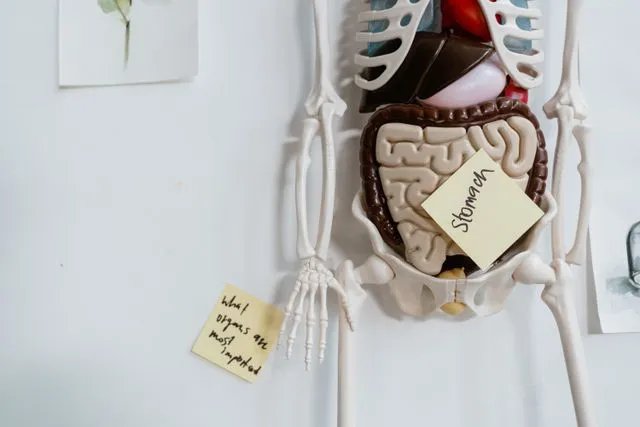

For years, the conversation around gut health has been entirely dominated by one word: probiotics. We have been taught that the key to a balanced digestive system is consistently introducing live bacteria into our bodies, hoping they survive the journey and colonize our intestines. It is a concept that has fueled an enormous industry of supplements and fermented foods. However, as our understanding of microbiology deepens, a profound shift is occurring. Researchers are beginning to look past the live bacteria itself, focusing instead on the actual compounds these bacteria produce. This marks the beginning of the postbiotic era.
To understand why this shift matters, it helps to look at the challenges inherent in traditional probiotic approaches. When you consume live cultures, they face a highly hostile environment. They must survive the extreme acidity of the stomach, navigate complex digestive enzymes, and ultimately find a place to settle and thrive in the gut. For many people, especially those with sensitive internal ecosystems, introducing large colonies of live microorganisms can lead to temporary discomfort, unpredictable bloating, and a continuous guessing game of which bacterial strains might actually work.
Postbiotics offer a radically different approach by bypassing the colonization process altogether. Rather than giving your body live workers and hoping they do their job, postbiotics simply deliver the finished product. These are the bioactive compounds—such as short-chain fatty acids, beneficial enzymes, and cellular lysates—that healthy bacteria naturally create during the fermentation process. Because these compounds are already in their final, active form, your body can absorb and utilize them immediately. They help maintain the structural integrity of the intestinal lining and support natural immune functions without requiring the survival of live microorganisms.
Beyond basic digestion, modern science continues to highlight the intricate connection known as the gut-brain axis. The micro-environment within our intestines is not just about processing food; it actively participates in synthesizing neurochemicals that communicate directly with the central nervous system. When the gut environment becomes inflamed or unbalanced, it can disrupt these critical signals, often leading to mental fatigue, stress, or inconsistent energy levels. Stabilizing this environment with direct, bioactive compounds helps keep these communication pathways clear, supporting consistent daily focus, emotional grounding, and overall systemic wellness.
One of the most practical benefits of this emerging scientific focus is molecular stability. Live bacteria are notoriously fragile. They are highly sensitive to temperature changes, moisture, and time, which is why many traditional options require strict refrigeration and possess short shelf lives. In contrast, postbiotics are non-living cellular components. They are fundamentally shelf-stable and do not degrade under standard environmental conditions, making them a much more reliable and convenient option for daily use.
As the health and wellness space moves toward targeted, molecular science, the resources available to the public are evolving accordingly. Dedicated platforms and researchers are focusing heavily on this streamlined, highly effective approach to internal care. For instance, you can explore detailed, accessible insights on the science of these stabilized compounds at SecondKind, which provides informational resources on exactly how these bioavailable elements interact with our internal systems.
Ultimately, the transition toward postbiotics represents a move toward highly predictable health strategies. By focusing on the exact materials the body inherently uses to maintain its internal balance, we can step away from the inherent complexities of managing live ecosystems. For anyone seeking reliable digestive comfort and systemic clarity, learning about the function and application of postbiotics provides a grounded, evidence-based path forward.































Sign in to leave a comment.