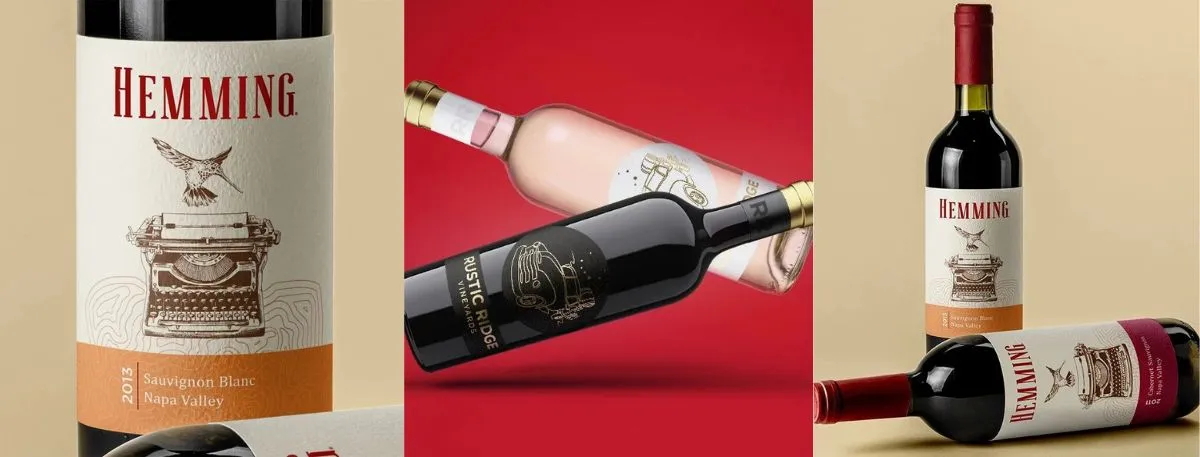

The wine aisle is more crowded than ever before. Grabbing consumer attention takes more than just a great vintage and a catchy name. Today, your packaging is your silent salesperson on the shelf, and that first impression absolutely matters. And getting your wine bottle label design right is the fastest way to communicate value before a single drop is poured.
Plus, what worked five years ago isn't cutting it today. Shoppers are evolving fast, largely driven by wine consumer purchasing behavior shifting toward visual authenticity. They want aesthetics that tell a compelling story, whether that means stripped-down elegance or rich, tactile luxury. Here is what we'll cover in this blog: the top stylistic trends driving sales in 2026 and how you can implement them to boost your bottom line.
Core Elements of Effective Wine Bottle Label Design
The thing is, a beautiful aesthetic only works if the foundation is solid. Every successful bottle balances art with strict commercial strategy. Creating high conversion wine labels is non-negotiable for modern wineries looking to scale.
Here is a step-by-step checklist to get started:
- Step 1: Define your demographic- Are you targeting Gen Z natural wine drinkers or boomer traditionalists?
- Step 2: Establish visual hierarchy- Brand name first. Varietal second. Origin third.
- Step 3: Select your materials- Paper texture changes everything.
- Step 4: Refine the typography- Fonts must be legible from at least three feet away.
- Step 5: Hire an expert- Partnering with a skilled wine label designer ensures technical precision and standout shelf presence.
Navigating Modern Label Aesthetics
The pendulum of label design constantly swings between extremes. Right now, two distinct aesthetics are dominating the market. Top wine packaging trends 2026 reflect a massive split in consumer desires.
The Minimalist Movement
Less is more. We are seeing vast negative space, crisp sans-serif typography, and subtle embossing. It screams confidence. A minimalist wine bottle label design thrives because it lets the liquid speak for itself. Stripping away the clutter tells the buyer that the wine inside doesn't need flashy gimmicks to prove its worth.
The Luxe Revival
But maximalism is making a calculated return. Think heavy gold foil, intricate custom illustrations, and deep, moody color palettes. It elevates the perceived price point instantly. Premium wine branding strategies often rely heavily on these tactile elements. Buyers want to run their fingers over the bottle and feel the luxury before they even pull the cork.
Why Quality Beverage Packaging Design Matters
You cannot afford to treat your packaging as an afterthought. Effective visual architecture is what transforms a casual browser into a loyal buyer. Plus, it builds massive brand equity over time. Whether you lean minimalist or luxe, your aesthetic must perfectly align with your target market's expectations. Here is why: a mismatch between the outside look and the inside taste ruins repeat sales. AI driven packaging design is even starting to influence how quickly brands can test these visual concepts, ensuring maximum market fit before production begins.
The Final Pour: Elevating Your Brand
To wrap up, winning sales in 2026 requires understanding current aesthetic shifts. Minimalist styles offer confident clarity. Luxe styles provide rich, tactile experiences. Both work. But they must be executed flawlessly to see a return on investment. Investing in expert wine bottle label design is your best next step.
After all, that wine bottle label design is the true face of your brand. If you want to dominate the shelf, Lien Design is ready to help. As the best label design agency in San Diego, we create packaging that commands attention and drives revenue. Contact us today for a quick estimate!
FAQs about Wine Bottle Label Design
What is the most popular style for wine labels in 2026?
Minimalist and tactile luxe styles are currently tying for the top spot in the market.
How much does it cost to design a wine label?
Costs vary widely, but professional, high-converting designs typically range from $2,000 to $10,000+.
What information is required on a wine label?
You must include the brand, varietal, origin, ABV, and standard government health warnings.
Does label paper quality actually matter?
Yes, high-quality, textured paper significantly increases the perceived value of the wine inside.
How long does the design process take?
A thorough, strategic design process usually takes between four to eight weeks from start to finish.



















Sign in to leave a comment.