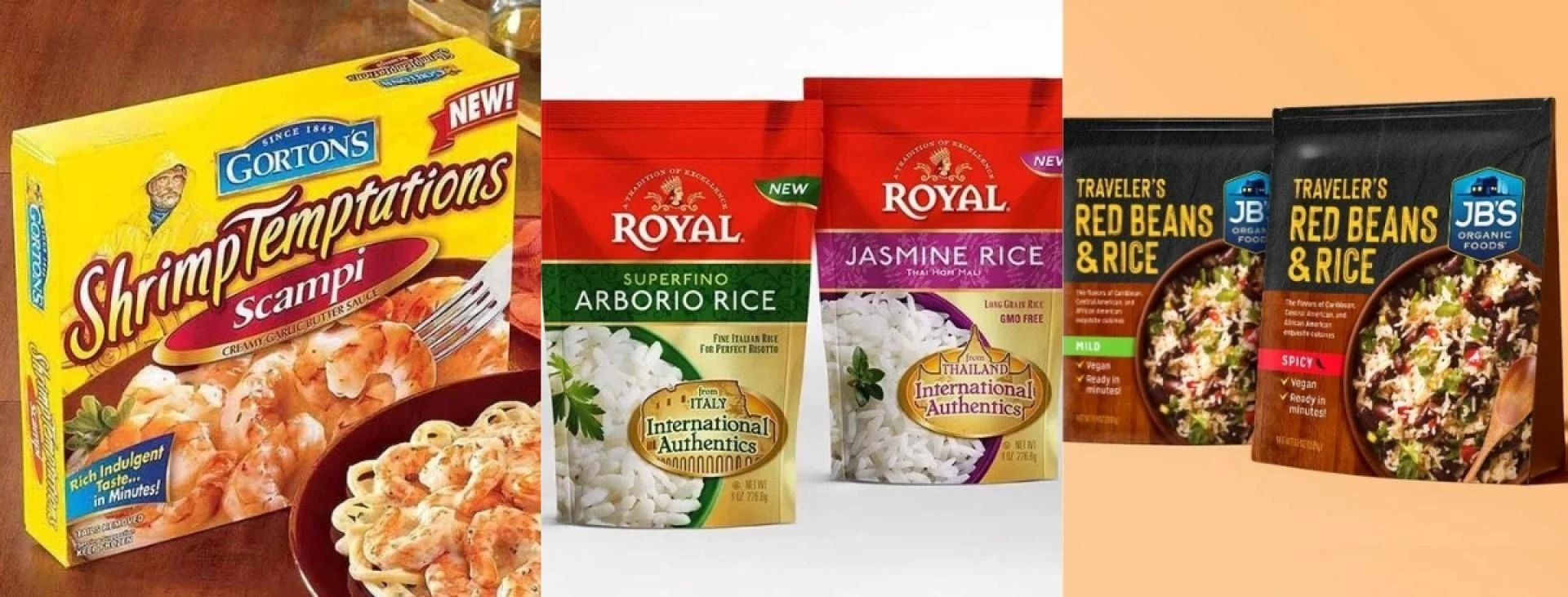

In a crowded market, food packaging design often decides whether a product gets noticed, picked up, or skipped. Shoppers judge quality in seconds, and packaging shapes that judgment before taste ever enters the picture. Beyond aesthetics, the pack acts as a silent salesperson by signaling value, safety, and brand personality. A smart design does not just look premium. It reduces hesitation and helps turn browsing into buying.
Why Food Packaging Design Influences Sales
First Impressions Create Buying Momentum
A well-implemented food packaging design helps products stand out on busy shelves and in e-commerce stores online. Consumers often treat packaging as proof of product quality, which means visual clarity can directly influence conversion.
Key factors that improve performance include:
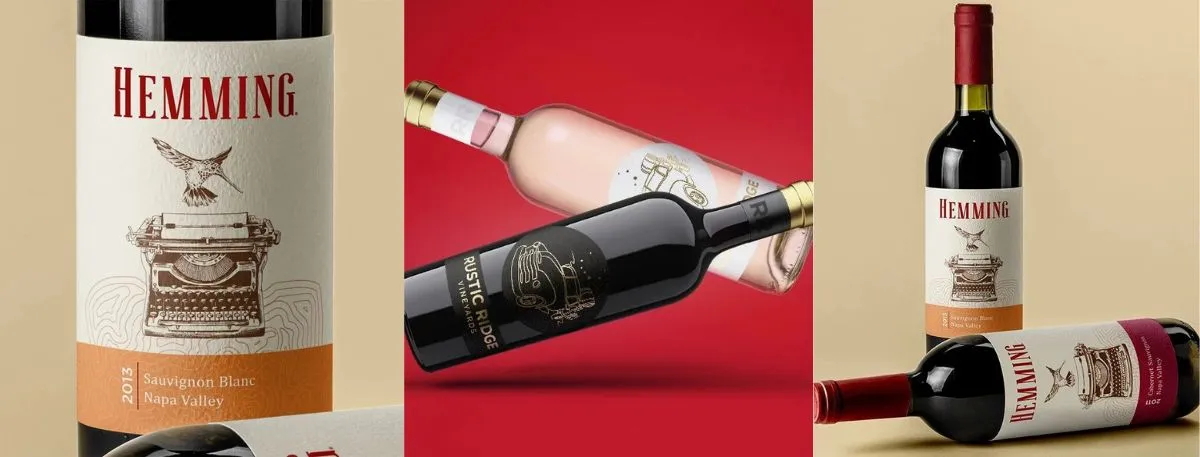
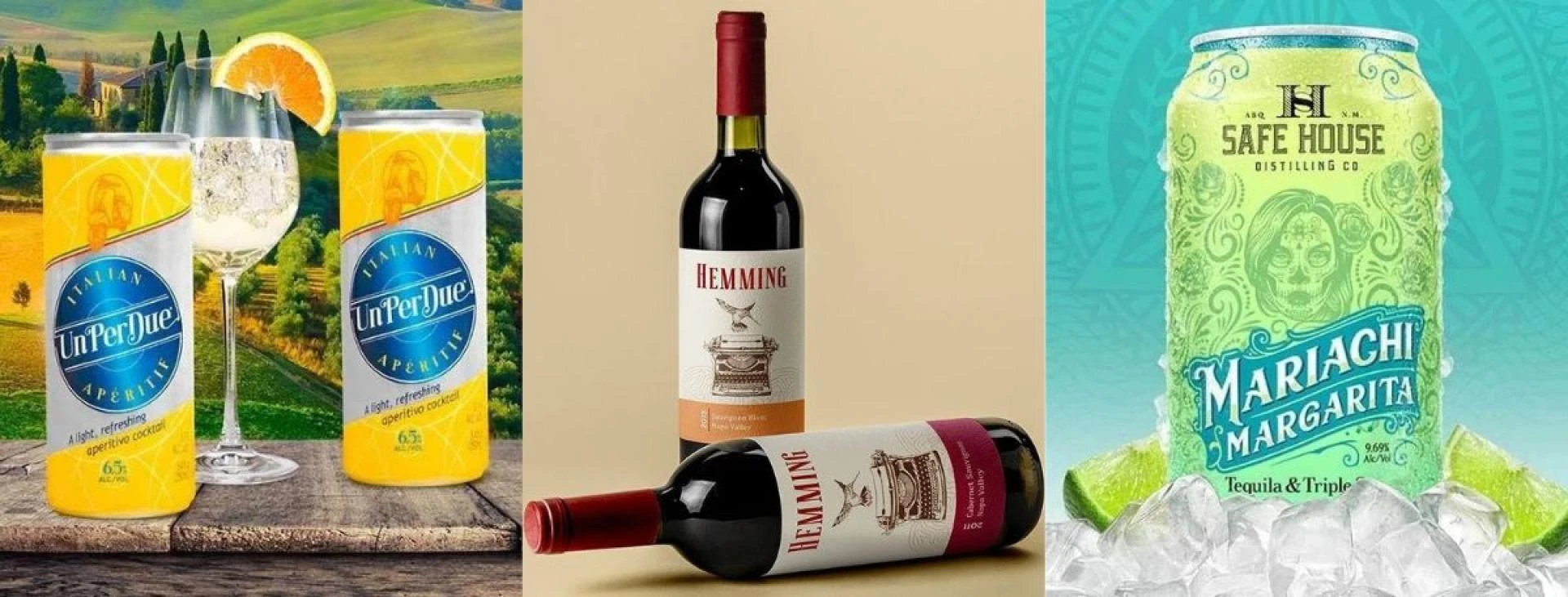
- Distinct colors and typography that separate the product from nearby competitors
- Easy-to-scan front panels that communicate the product benefit fast
- Materials and finishes that reinforce freshness, quality, or premium value
- Shapes or formats that improve convenience, storage, or repeat use
Packaging Now Works Beyond the Shelf
One overlooked advantage is how often packaging appears outside stores. A well-designed pack shows up in delivery boxes, social posts, review videos, and product listings. That makes it a long-term branding asset, not just a container. For brands exploring custom food packaging design, this creates a practical edge because every unit can also function as marketing material.
Packaging Labels for Food That Build Trust
Clear Labeling Removes Doubt
Well-planned packaging labels for food do more than meet legal requirements. They help shoppers feel informed and confident at the point of sale. When packaging and labeling work together, the product feels more credible and easier to choose.
Effective packs usually highlight:
- Ingredients and nutrition in a clean, readable layout
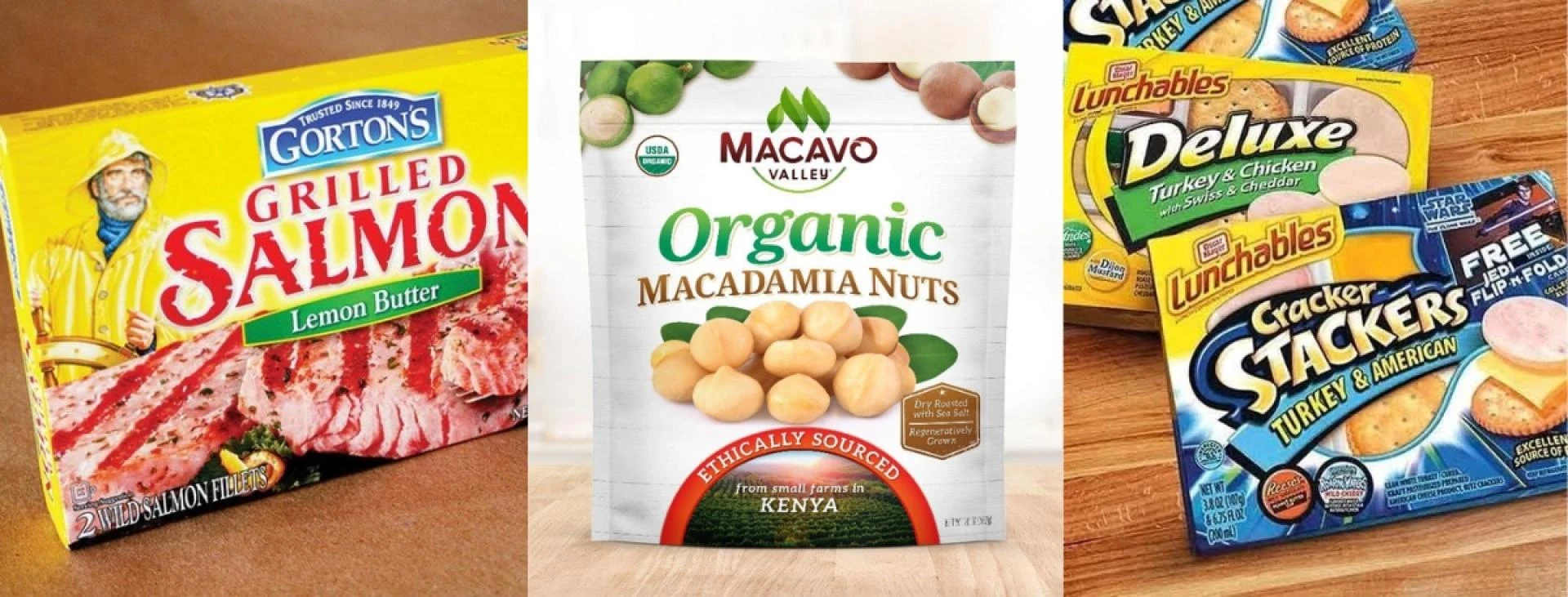
- Certifications such as organic, gluten-free, or non-GMO
- Allergen and compliance details without visual clutter
- A tone of voice that matches the target audience
Well-structured food packaging labels also help online shoppers, who rely heavily on visual trust signals before adding products to cart.
Healthy Cues Matter More Than Ever
For wellness-focused buyers, healthy food packaging design should feel simple, honest, and transparent. Clean layouts, muted palettes, and straightforward ingredient communication often outperform flashy visuals in this category. Brands can also benefit from themes such as sustainable food packaging design ideas and label design for packaged food products, especially when they want discoverability tied to modern buyer intent.
Conclusion
Great food packaging design does more than decorate a product. It shapes first impressions, supports trust, improves recall, and can quietly lift sales across retail and digital channels. For brands aiming to create packaging that looks sharp and performs strategically, Lien Design positions itself as a strong creative partner for impactful packaging systems and label solutions.
Let Lien Design help brands turn every pack into a shelf-ready sales tool that gets noticed and chosen.
FAQs
1) What makes food packaging effective?
Effective packaging combines visibility, clarity, and trust. It should catch attention quickly while making the product easy to understand.
2) Why are packaging labels important for food products?
Labels help consumers verify ingredients, nutrition, certifications, and safety details. Clear information reduces confusion and supports faster decisions.
3) How does healthy food packaging design influence buyers?
It signals transparency and wellness through simple visuals, natural colors, and readable ingredient lists. That helps health-conscious shoppers trust the product faster.
4) What should brands include on food packaging labels?
Brands should include product name, ingredients, nutrition facts, allergen warnings, certifications, and storage guidance. The layout should stay clean and easy to scan.
5) Can good packaging improve online food sales?
Yes. Strong packaging photographs better, improves product-page appeal, and increases trust in marketplaces and delivery apps where visuals drive clicks.
























Sign in to leave a comment.