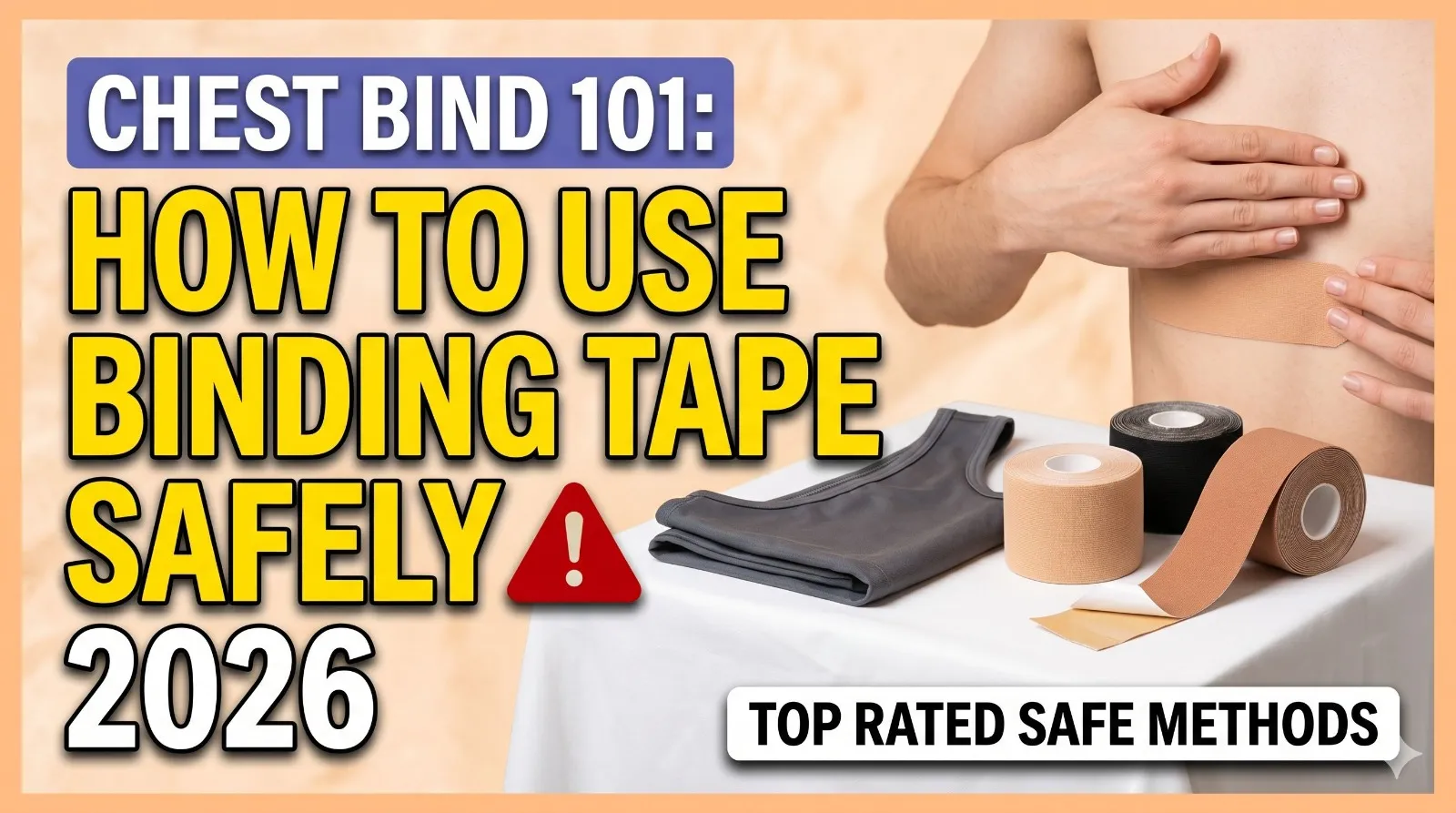

Whether you're trans masculine, non-binary, or simply exploring what gender expression means for your body, learning how to chest bind safely can be genuinely life-changing. The term "chest bind" covers a wide range of techniques — from wearing a chest binder to using chest binding tape directly on the skin — and choosing the right method makes all the difference between comfort and injury. This guide covers everything: which products work, how to apply them correctly, what tape is actually safe to use, and how to protect your skin through the whole process.
Why Chest Binding Matters More Than Most People Realize
For millions of trans and non-binary people worldwide, binding isn't just about appearance — it's about mental health, safety, and the ability to move through the world feeling like yourself. Research published in peer-reviewed journals consistently links gender-affirming practices like chest binding to significantly reduced rates of gender dysphoria and psychological distress. A large-scale study of trans masculine individuals found that over 85% reported improved mental health outcomes from regular binding — even before any medical transition steps.
That said, how you bind matters enormously. Done incorrectly, it can cause skin irritation, rib pain, shortness of breath, and long-term tissue damage. Done right, it's a safe, effective, and empowering daily practice.
Who Uses Chest Binding?
The answer is more diverse than many people expect:
- Trans men and FTM individuals at any stage of transition
- Non-binary and genderfluid people who want a flatter chest on certain days
- Agender individuals exploring physical gender expression
- Cisgender women for cosplay, performance, or specific clothing
- Drag performers and theatre artists
No matter where you fall on that spectrum, the safety principles remain the same.
Chest Bind Tape vs. a Traditional Chest Binder: Understanding the Difference
Before diving into technique, it helps to understand what tool you're actually working with — because chest bind tape and a traditional chest binder work in fundamentally different ways.
Quick Definition:
- Chest binder— A compression garment worn like a vest or tank top that flattens the chest through firm, even pressure.
- Chest binding tape— A body-safe adhesive tape applied directly to skin that redirects breast tissue toward the sides of the torso.
| Feature | Chest Binder | Chest Binding Tape |
| Ease of use | Very easy | Moderate learning curve |
| Works under swimwear | No | Yes |
| Breathability | Moderate | High |
| Visible under thin fabric | Sometimes | Almost never |
| Best for daily long-term wear | Yes | With careful monitoring |
| Ideal for sensitive skin | Generally yes | Requires latex-free tape |
Both methods have their place. Many people use a chest binder for their everyday routine and reach for tape on special occasions — swimming, backless outfits, or events where even a thin binder would show. If you're still deciding which approach suits your lifestyle best, this in-depth look at the best chest binders for everyday wear in 2026 offers a strong comparison of top-rated compression garments side by side.
What Tape Can I Use to Bind My Chest? The Honest Answer
This is one of the most Googled questions in the binding community — and the answer genuinely matters for your safety.
Tape That Is Safe to Use
- ✅ Medical-grade body tape— The gold standard. Specifically designed for prolonged skin contact, breathable, and flexible.
- ✅ Kinesiology tape (KT tape)— A reasonable short-term option. Breathable and stretchy, though not designed for chest binding specifically.
- ✅ Trans Tape and TGS Binding Tape— Purpose-built chest binding tape lines with latex-free adhesives and multiple width options.
Tape You Should Never Use
- ❌ Duct tape or packing tape— These block airflow completely and can cause chemical burns, tearing, and circulation problems.
- ❌ Ace bandages— Extremely dangerous. They tighten as your body warms up and can crack ribs or restrict breathing.
- ❌ Standard craft or office tape— Not designed for skin. Causes immediate irritation and can strip skin on removal.
If you've been wondering how to bind chest with sports tape specifically — like KT tape — it can work for light binding, particularly for smaller chests. However, learning how to bind with KT tape for a large chest is significantly more difficult and carries higher skin risks. Dedicated chest binding tape products are always the safer, more effective long-term choice.
How to Bind With Tape: Step-by-Step Chest Binding Tape Instructions
Learning the correct technique is the single most important thing you can do before your first application. Here's a straightforward chest binding tape tutorial that covers everything from prep to removal.
Step 1: Prepare Your Skin
- Shower and dry your chest completely — no moisture, lotion, or oil on the application area.
- Wait at least 12 hours after shaving before applying tape. Fresh-shaved skin is far more vulnerable to irritation.
- Do a 48-hour patch teston your inner arm before full chest application, especially if this is your first time or you have chest binding tape for sensitive skin concerns.
Step 2: Protect Your Nipples First — Always
This step is non-negotiable. Nipple skin is among the most sensitive on the body. Before any tape touches your chest, place nipple guards, foam padding, or adhesive bandage squares directly over each nipple. Skipping this is the leading cause of painful tape-related injuries.
Step 3: Apply the Tape
- Stand in front of a mirror so you can see exactly what you're doing.
- Start at the center of your chestwith your arms slightly raised.
- Apply each strip diagonally, directing tissue toward the side of your torso and under the armpit— not straight down.
- Never stretch the tapeas you apply it. Lay it relaxed against your skin and let the adhesive do its work. Stretched tape causes blistering.
- Smooth each strip down from center outward, pressing firmly for good adhesion.
- Take a few deep breaths after each strip. If breathing feels restricted at any point, remove the tape immediately.
Step 4: Choosing the Right Width
Tape width directly affects your results — particularly if you're learning how to bind large chest with tape or how to tape bind a large chest for the first time.
| Width | Best For |
| 3" | Small chests, beginners, precision placement |
| 4" | Most people — versatile everyday width |
| 5" | Medium-to-large chests, active lifestyles |
| 6" | Large chests, maximum coverage per strip |
| 8" | Heavy-duty coverage, fewest strips needed |
For those dealing with a larger chest specifically, using a 5" or 6" tape reduces the total number of strips needed, distributes adhesion more evenly, and produces a cleaner, more comfortable result throughout the day.
Chest Binding Tape for Sensitive Skin: Special Precautions
Sensitive skin requires extra care — but it doesn't mean tape binding is off the table. It just means being more intentional.
- Always choose latex-free tape.Latex is one of the most common adhesive allergens and can cause severe contact dermatitis.
- Shorter initial wear times.Start with 4–6 hours on your first few applications rather than jumping straight to full-day wear.
- Monitor actively.Check the skin around the tape edges every few hours. Early redness or itching is a signal to remove.
- Give your skin full recovery time.After any irritation, wait until skin is completely healed — not just "better looking" — before reapplying.
- Use a barrier spraydesigned for sensitive skin under tape if you're prone to reactions.
People with eczema, psoriasis, or a history of adhesive reactions should consult a dermatologist before beginning any tape binding routine.
How to Bind Chest Without a Binder or Tape: Alternative Methods
Sometimes tape and binders aren't accessible — whether due to cost, availability, or skin issues. In those situations, there are gentler alternatives worth knowing about.
Layering Compression Sportswear
A high-compression sports bra worn under a second layer — like a fitted tank top or undershirt — can create meaningful flattening without any adhesive or specialized gear. It won't achieve the same result as dedicated binding, but for low-dysphoria days or as a temporary solution, it works.
Strategic Clothing Choices
- Dark, patterned fabricsdraw less attention to chest shape
- Structured outer layers(denim jackets, button-up shirts worn open) add visual weight at the shoulders and minimize chest focus
- Loose-fitting topscombined with high-waisted bottoms shift the visual center downward
- Layered necklaces or graphic teesredirect attention toward the face and torso center
These approaches answer the question of how to bind chest without binder or tape — not perfectly, but meaningfully, especially on rest days when your skin needs recovery time.
Chest Bind Safety: Warning Signs You Must Never Ignore
Even with perfect technique, your body sends signals. Learning to read them protects you from long-term harm.
Stop binding and seek medical attention if you experience:
- Difficulty breathing or shortness of breath during normal activity
- Sharp or persistent pain in your chest, ribs, or back
- Numbness or tingling in your arms or hands
- Skin that is broken, blistered, or weeping under the tape
- Dizziness, lightheadedness, or nausea while binding
The binding community widely recommends taking at least one full rest day per week from binding of any kind — no binder, no tape — to allow your skin, muscles, and rib cage to fully decompress and recover.
Chest Binding Tape How to Use: Removal Done Right
Removal is where most binding injuries actually happen. Even people who apply tape perfectly sometimes rush the removal and end up with torn skin or bruising.
The Oil Removal Method (Always Recommended)
- Apply a generous amount of coconut oil, sunflower oil, or baby oilto the edges of the tape.
- Wait 3–5 minutesfor the oil to penetrate the adhesive layer — don't rush this step.
- Take a warm shower if possible. Heat relaxes both your skin and the adhesive significantly.
- Starting from the edges, peel the tape back slowlyagainst the direction of hair growth, pressing the skin down with your other hand as you go.
- Never pull upward or rip quickly — always peel horizontally, close to the skin.
- After removal, apply a gentle, fragrance-free moisturizer and let skin breathe for at least 24 hoursbefore reapplying.
For anyone managing multi-day wear — which some medical-grade tapes support — it's worth reading through a detailed guide on chest bind tape techniques for extended use to understand how to safely extend wear without compromising skin integrity.
Where to Buy Chest Binding Tape: UK, Australia, and Beyond
One of the most common searches is "chest binding tape near me" — and the good news is that quality products are now more globally accessible than ever. While local options vary by region, dedicated online retailers ship chest binding tape worldwide with discreet packaging.
- Chest binding tape UKshoppers can access Trans Tape and TGS products through international shipping with typical delivery windows of 5–10 business days.
- Chest binding tape Australiausers will find the same major brands available, with some regional distributors offering faster local delivery.
- For those searching for chest binding tape Amazonlistings — while some products are available there, buying directly from the brand or an LGBTQ+ specialty retailer ensures you're getting the genuine product, not a low-quality imitation with unsafe adhesives.
When evaluating any tape product online, look specifically for: latex-free adhesive, breathable fabric backing, body-safe certification, and clear removal instructions. These four markers distinguish quality binding tape from generic sports tape sold as a binding solution.
A Note on Mental Health and the Binding Journey
Chest binding is deeply personal — and for many people, it's one of the first concrete steps toward aligning their outer appearance with their inner sense of self. That experience carries real emotional weight. It's okay if your first application feels awkward or doesn't go perfectly. It's okay if some days you prefer not to bind at all. There is no single "right" way to experience gender, and your comfort — physical and emotional — always comes first.
If you're navigating this journey and looking for community, resources, or broader guidance on trans-affirming healthcare and self-care practices, trusted spaces like TransLGBTQ.com exist specifically to offer that support.
Conclusion
Understanding how to chest bind safely and effectively is knowledge that genuinely protects people. From choosing the right tape width for your chest size, to following proper chest binding tape instructions, to knowing exactly what tape you can use to bind your chest — every detail in this guide exists to help you feel more confident and stay safe while doing it. Whether you're a first-timer or someone who's been binding for years, always prioritize skin health, listen to your body, and give yourself rest days without guilt.
If this guide helped you, share it with someone who needs it — because access to accurate binding information is a form of community care. And if you're weighing tape against a traditional chest binder, explore our 2026 roundup of the most affordable and breathable chest binders to find the option that fits your life best.


























Sign in to leave a comment.