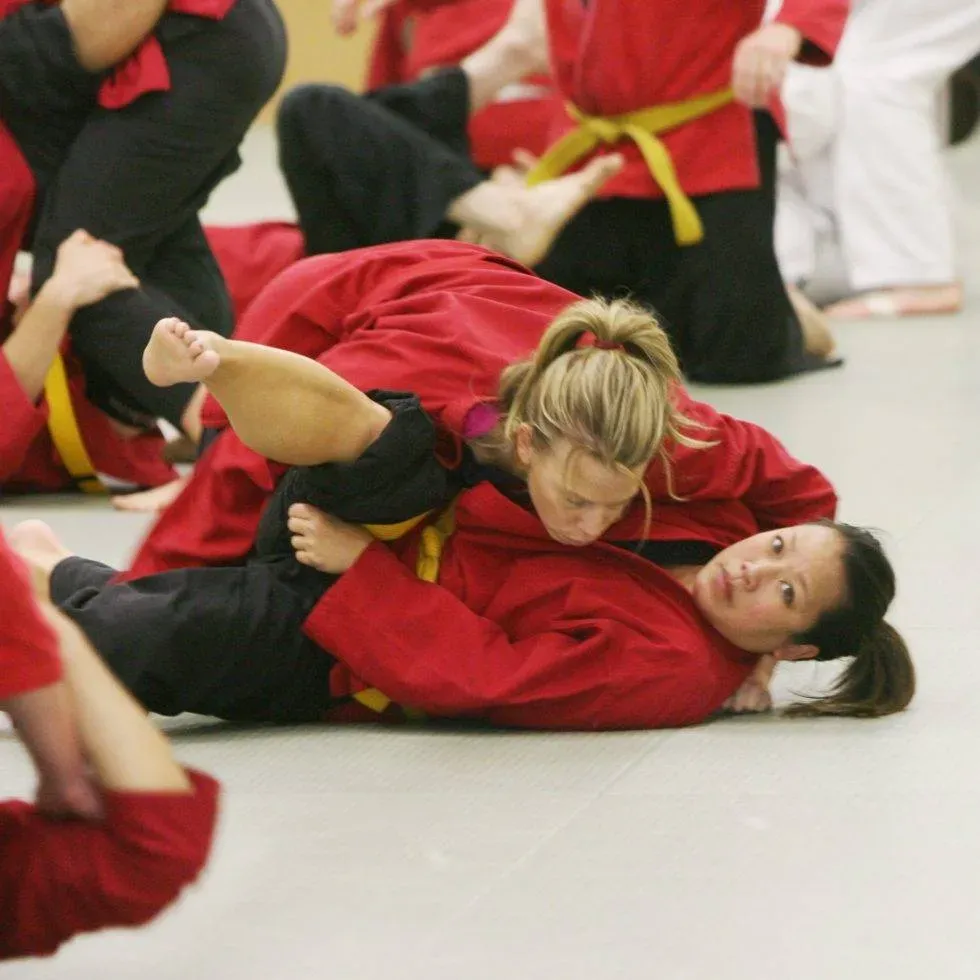

When people think about self-defense training, they often picture punches, kicks, or learning how to escape dangerous situations. While these physical skills are valuable, one of the greatest benefits of self-defense is something you can't always see—it transforms your mindset.
Self-defense training develops mental strength, sharpens awareness, and teaches you how to stay calm under pressure. These qualities don't just help during emergencies; they improve everyday life, from walking alone at night to handling stressful situations at work or school.
Mental Strength Begins with Confidence
Confidence isn't something you're born with—it's built through experience.
Every time you learn a new technique, overcome a challenging drill, or push through physical discomfort, you prove to yourself that you're capable of more than you thought. This growing confidence carries over into daily life.
People who train regularly often notice they:
- Speak with greater confidence.
- Set healthier personal boundaries.
- Feel less intimidated by difficult situations.
- Become more comfortable making decisions under pressure.
This isn't about becoming aggressive. It's about believing in your ability to protect yourself and handle unexpected challenges.
Learning to Stay Calm Under Pressure
Fear is a natural response to danger. The goal of self-defense training isn't to eliminate fear—it's to teach you how to manage it.
Many self-defense classes include realistic drills that simulate stressful situations in a controlled environment. Over time, students learn to:
- Control their breathing.
- Think clearly despite adrenaline.
- Make quick decisions.
- Avoid freezing when surprised.
These skills are valuable far beyond personal safety. They can help during job interviews, public speaking, emergencies, or any high-pressure situation.
Situational Awareness: Your Best Defense
One of the first lessons in quality self-defense training is that avoiding danger is always better than fighting.
Students learn to become more aware of their surroundings by:
- Identifying potential risks early.
- Noticing unusual behavior.
- Choosing safer routes and environments.
- Trusting their instincts when something feels wrong.
Awareness isn't about living in fear. It's about paying attention so you can make smarter decisions before a situation becomes dangerous.
Many dangerous situations can be avoided simply because someone recognized warning signs early.
Building Emotional Resilience
Training isn't always easy.
There will be difficult techniques, exhausting workouts, and moments of frustration. Overcoming these challenges builds resilience—the ability to recover from setbacks and keep moving forward.
This resilience helps people:
- Handle criticism more effectively.
- Stay motivated during difficult times.
- Recover faster after failure.
- Develop greater patience and discipline.
Mental resilience developed in training often benefits careers, education, relationships, and personal growth.
Better Decision-Making Under Stress
In dangerous situations, hesitation can be costly.
Self-defense training teaches students to quickly assess:
- Is there an escape route?
- Can the situation be de-escalated?
- Should I call for help?
- Is physical action absolutely necessary?
Instead of reacting emotionally, trained individuals learn to make practical, informed decisions based on the situation.
This ability to stay composed also improves everyday problem-solving.
Developing Healthy Discipline
Progress in self-defense doesn't happen overnight.
Improvement comes through consistent practice, patience, and repetition.
Students naturally develop habits like:
- Showing up consistently.
- Setting achievable goals.
- Respecting instructors and training partners.
- Accepting feedback and continuously improving.
These habits often translate into better productivity, healthier lifestyles, and stronger personal discipline.
Improved Focus and Concentration
During training, distractions can affect performance.
Students must pay close attention to:
- Their partner's movements.
- Timing.
- Distance.
- Balance.
- Technique.
Over time, this improves concentration and mental focus, skills that can enhance performance in work, academics, and daily responsibilities.
Respect, Humility, and Self-Control
Contrary to popular belief, self-defense training doesn't encourage violence.
Good instructors emphasize:
- Avoiding unnecessary conflict.
- Respecting others.
- Using force only when absolutely necessary.
- Maintaining emotional control.
True confidence often makes people less likely to seek confrontation because they understand the consequences of violence.
A Healthier Relationship with Fear
Fear often comes from uncertainty.
The more prepared you become, the less overwhelming uncertainty feels.
Self-defense training doesn't make someone fearless, but it replaces panic with preparation.
Instead of thinking, "I wouldn't know what to do," trained individuals are more likely to think, "I have options."
That shift in mindset can make a significant difference in how someone responds during stressful situations.
Self-Defense Is About More Than Fighting
The greatest success in self-defense isn't winning a fight—it's avoiding one whenever possible.
The real value of training lies in developing:
- Awareness instead of distraction.
- Confidence instead of fear.
- Discipline instead of impulsiveness.
- Calm instead of panic.
- Preparedness instead of helplessness.
These qualities improve every aspect of life, not just personal safety.
Final Thoughts
Self-defense training is as much a mental journey as it is a physical one. While learning effective techniques is important, the lasting benefits often come from increased confidence, sharper awareness, stronger emotional resilience, and better decision-making under pressure.
Whether you're a student, a working professional, a parent, or someone simply looking to feel more confident in everyday life, self-defense training offers practical skills that extend far beyond the training floor. It teaches you not just how to protect yourself, but how to think clearly, stay composed, and navigate the world with greater confidence and awareness.



























Sign in to leave a comment.