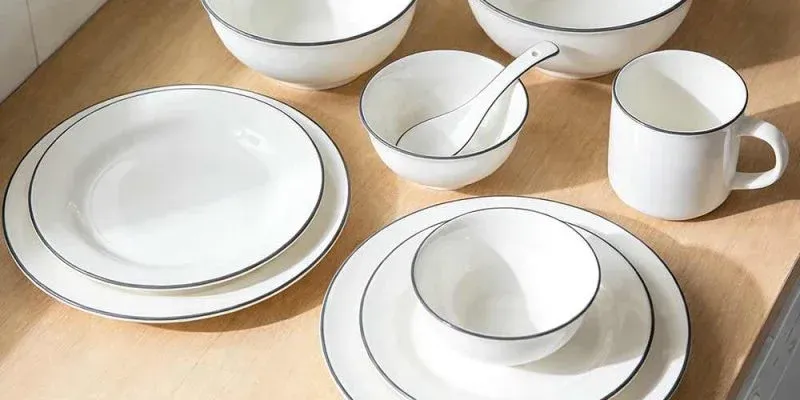

Dinnerware used every day needs to withstand much more than a single meal. Plates, bowls, and cups are washed repeatedly, stacked in cupboards, exposed to hot and cold temperatures, and handled throughout the day. Choosing durable dinnerware means looking beyond appearance and considering how well each piece can withstand these demands over time.
The most durable dinnerware combines strong construction with a surface that resists chips, scratches, stains, and fading. By understanding these qualities before buying, you can choose a dinnerware set that remains practical and attractive through years of everyday use.
Look for Strong, Dense Materials
The material is one of the biggest factors in determining how well dinnerware will perform over time. Dense materials generally provide better resistance to everyday wear, while weaker or poorly made materials may chip, crack, or show scratches more easily. When comparing durable dinnerware options for daily use, consider how each material handles repeated washing, handling, stacking, and everyday meals.
Porcelain is a strong option for everyday dinnerware because it is dense, durable, and relatively lightweight. Its smooth surface is also easy to clean, making it suitable for households that use their dinnerware frequently.
Stoneware is another practical choice. It is typically thicker and heavier than porcelain, giving it a substantial feel and good resistance to everyday knocks. This makes it particularly suitable for busy households where dinnerware is handled frequently.
Bone china can also be durable despite its lightweight and thin appearance. High-quality bone china combines strength with a refined finish, making it useful when you want everyday pieces that feel lighter without being overly fragile.
When comparing materials, avoid choosing based on weight or appearance alone. Look for dinnerware with a solid construction that feels well made and suited to regular handling.
Check the Edges for Chip Resistance
The edges of plates and bowls are particularly vulnerable to damage. They can knock against other pieces during washing, stacking, or handling, making the rim one of the first areas to develop chips.
Look for pieces with smooth, well-finished edges and a sturdy construction. Avoid dinnerware with visibly thin or uneven rims if durability is a priority.
A chip-resistant edge is especially important for plates that will be stacked regularly. Even strong dinnerware can become damaged when pieces are repeatedly knocked together, so well-finished edges can help extend the life of a set.
Choose a Durable Glaze and Surface
The surface of dinnerware experiences constant contact with food, cutlery, water, and cleaning products. A quality glaze helps protect the material underneath and keeps the dinnerware looking good after repeated use.
Look for a smooth, even glaze without obvious imperfections. A durable surface should resist staining and scratching from everyday use, including contact with forks and knives.
This is particularly important for dinnerware that will be washed frequently. Repeated exposure to dishwasher cycles, detergent, and hot water can gradually affect poor-quality finishes. A well-made glaze helps the surface maintain its appearance for longer.
Consider Dishwasher and Microwave Compatibility
Everyday dinnerware needs to fit naturally into your household routine. If you regularly use a dishwasher, choose pieces specifically labelled as dishwasher safe. This reduces the need for additional handwashing and ensures the dinnerware is designed to withstand repeated cleaning cycles.
Microwave compatibility is also worth considering if you frequently reheat food directly on your plates or in bowls. Not all materials and decorative finishes are suitable for microwave use, so check the manufacturer's care instructions before purchasing.
For everyday use, durability is not simply about resisting physical damage. Dinnerware should also be able to withstand the cleaning and heating methods you regularly use.
Look for Resistance to Temperature Changes
Dinnerware can experience significant temperature changes during normal use. A plate may go from holding hot food to being washed in cooler water, while a bowl may be used to reheat food in a microwave.
Repeated temperature changes can place stress on weaker materials. Choosing dinnerware designed to handle normal household temperature changes can reduce the risk of cracking or damage.
However, even durable dinnerware should be used according to the manufacturer's instructions. Avoid exposing pieces to extreme temperature changes unless they are specifically designed for that purpose.
Consider Weight and Handling
Durability does not necessarily mean choosing the heaviest dinnerware available. While heavier stoneware can feel substantial and sturdy, lightweight porcelain or bone china can also provide excellent durability.
Think about who will be using the dinnerware and how it will be handled every day.
For a busy family, heavier pieces may feel more stable during meals. For households where dinnerware is frequently carried between the kitchen, dining area, and dishwasher, lighter pieces may be more practical.
The best choice is one that provides sufficient strength without making everyday handling inconvenient.
Think About How the Dinnerware Will Be Stored
Storage can also affect the lifespan of dinnerware. Plates and bowls are commonly stacked, which means their rims and surfaces can come into repeated contact with one another.
Choose pieces that stack securely without excessive pressure on the edges. Smooth, well-finished bases can also help minimise unnecessary friction between stacked pieces.
If cupboard space is limited, consider how efficiently the set stacks before buying. A durable dinnerware set should not only withstand daily use but also be practical to store.
Choose Durability Based on Your Household
The right level of durability depends on how your dinnerware will actually be used.
For busy family households, look for sturdy porcelain or stoneware with chip-resistant edges and dishwasher compatibility.
For frequent everyday use, prioritise a durable glaze, strong construction, and resistance to scratches and stains.
For households with children, impact resistance and easy handling may be more important than a delicate or highly decorative finish.
For lightweight everyday dining, porcelain or high-quality bone china can provide a good combination of strength and easier handling.
For outdoor or casual dining, impact-resistant materials such as melamine can be practical, provided their limitations are suitable for your needs.
Check the Care Instructions Before Buying
Even the most durable dinnerware can be damaged when it is used incorrectly. Before purchasing a set, check the manufacturer's instructions for dishwasher, microwave, oven, and temperature limitations.
Pay attention to whether the dinnerware is recommended for daily dishwasher use and whether its decorative finishes require special care. Understanding these requirements can help you choose pieces that fit your routine rather than requiring more maintenance than expected.
What to Look for in Durable Everyday Dinnerware
When comparing different dinnerware sets, focus on these practical qualities:
Strong construction that can withstand regular handling
Chip-resistant edges for better protection during stacking and washing
Durable glazing that resists scratches, stains, and fading
Non-porous surfaces that are easier to clean and maintain
Dishwasher compatibility if you rely on regular machine washing
Microwave compatibility if you frequently reheat food
Suitable weight for comfortable everyday handling
Secure stacking for practical cupboard storage
Clear care instructions that match your household routine
Choose Dinnerware That Can Keep Up With Daily Life
Choosing durable dinnerware is ultimately about finding pieces that can handle the way your household actually uses them. Instead of choosing a set based solely on colour, shape, or appearance, consider its material, construction, glaze, edges, care requirements, and resistance to everyday wear.
Porcelain and stoneware are reliable choices for many households, but the best dinnerware is the set that combines durability with the features you need for daily use. By checking these practical qualities before buying, you can choose dinnerware that stays functional, attractive, and dependable for years to come.




























Sign in to leave a comment.