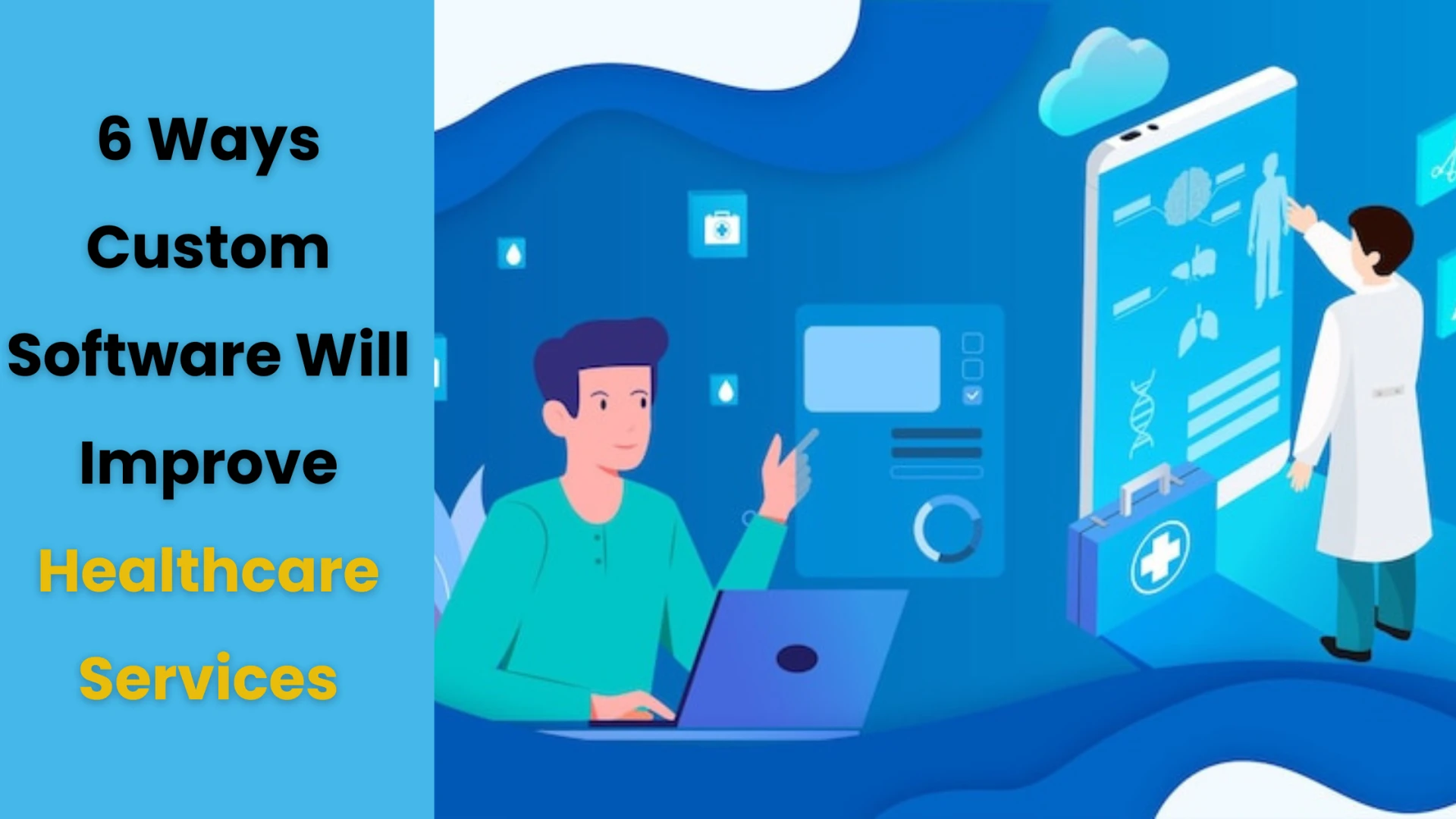

As technology has embarked on the journey to transform the world, industries like InsurTech and Healthcare are exhibiting heightened responses to its penetration. From one-click insurance claim approval to electronic medical record systems, unique and innovative software is answering difficult calls to manage comprehensive healthcare operations seamlessly, with full-fledged accuracy.
For instance, artificial intelligence in healthcare software is streamlining comprehensive and critical facility processes, predicting equipment and asset life based on analytics, and illustrating enhanced operational efficiency with few commands. Virtual assistants and chatbots further resolve queries on-demand and ease the overall user experience.
All these possibilities are surfacing on the top due to custom healthcare software development.
That’s why medical software programs are emerging as feasible solutions to reduce the hassle users face during seeking healthcare services.
This blog explores the 6 ways custom software development improves healthcare services.
Traditional Healthcare Services: Understanding the Pitfalls
Traditional healthcare services face various pitfalls that can impact patient care, operational efficiency, and overall effectiveness. For example, medical billing software for a small business can facilitate saved costs as it reduces the workforce requirement for invoicing and billing without incurring calculation mistakes.
However, these problems can be easily resolved by a custom healthcare software development company.
Some common pitfalls in traditional healthcare services include:
Uncoordinated Information Systems
Lack of interoperability and integration among different healthcare systems and databases can lead to fragmented patient information, hindering the seamless exchange of data, and potentially compromising the quality and continuity of care.
Traditional Methods for Operational Processes
Reliance on paper-based documentation can result in inefficiencies, errors, and delays which are highly susceptible to loss, damage, or misinterpretation, incurring delays to the timely delivery of healthcare services. For instance, medical billing software significantly expedites the payment and billing processes, relieving patients faster than ever.
Restricted Patient Information
Accessing complete and up-to-date patient information due to disparate systems or lack of centralized databases impedes the ability to make informed decisions and provide comprehensive care.
Increased Patient Discomfort Due to Long Waiting Hours
Long waiting times for appointments, tests, and procedures are common complications in traditional healthcare facilities, leading to patient dissatisfaction, delays in diagnosis and treatment, and increased pressure on healthcare resources.
Lack of Inefficient Communication Channels
Communication gaps among healthcare professionals, departments, and between healthcare providers and patients can result in misunderstandings, delays in care, and potential errors in treatment plans.
Lack of Preventive Care Due to Limited Patient Engagement
Traditional healthcare models may not prioritize patient engagement and empowerment, resulting in a lack of involvement in decision-making, reduced adherence to treatment plans, and missed opportunities for preventive care.
Uneven Distribution of Healthcare Resources
Unequal distribution of healthcare resources, including medical facilities and skilled professionals, can lead to disparities in healthcare access and quality. Rural or underserved areas may face challenges in providing adequate and timely healthcare services.
Obsoleteness Due to Resistance to Technological Integration
Reluctance to adopt and integrate modern technologies into healthcare practices to develop a unique healthcare app can hinder the implementation of digital solutions that could enhance efficiency, data management, and patient outcomes. A custom software developer from a top IT company has tremendous abilities to implement recent technologies into healthcare software.
Custom Software Development for Healthcare: Implementing Technical Proficiency in the Industry
The traditional healthcare industry urgently requires the integration of custom software development services to implement innovation and proficiency in current operations. Ever since the pandemic hit the world and patients flocked the hospitals, the need to streamline and manage gigantic amounts of patient data has been realized. Also, considering the inference of the latest pandemic, being prepared for unprecedented infectious breakouts or simply managing healthcare services and operations are imperatives in the future times.
Custom healthcare software development is emerging as a fastidious solution to manage precisely the details and information about patients and healthcare providers. Also, its integration with the fintech industry entities like insurance companies saves time for patients while availing medical services. Furthermore, technical innovation will be on the rise in the upcoming times, anticipating super-advanced healthcare services like telemedicine and telesurgery.
Custom Healthcare Software Development: Navigating Top 6 Benefits
There are a plethora of benefits to seeking custom software development companies for healthcare facilities. From increasing operational efficiency to streamlining operations, custom software is creating more space to innovate new approaches and strategies to build new healthcare models.
Enhanced Efficiency and Workflow Optimization
Custom software in healthcare streamlines administrative tasks, appointment scheduling, and data management. By automating routine processes, healthcare professionals can focus more on patient care, leading to improved overall efficiency and workflow optimization.
Personalized Patient Care
Custom software allows healthcare providers to create personalized treatment plans and track patient progress more effectively. Tailored solutions can integrate patient data, medical histories, and treatment preferences, enabling healthcare professionals to deliver more personalized and effective care.
Interoperability and Data Integration
Custom software facilitates seamless integration of disparate healthcare systems, promoting interoperability. This ensures that patient information is easily accessible across various departments, leading to better-informed decision-making and coordinated care.
Telemedicine and Remote Patient Monitoring
Custom software supports the implementation of telemedicine solutions, enabling remote consultations and monitoring of patients. This not only improves accessibility to healthcare services but also enhances the management of chronic conditions through remote patient monitoring tools and health information technology.
Data Security and Compliance
Healthcare software tailored to specific organizational needs ensures robust security measures and compliance with healthcare regulations. Custom solutions can implement encryption, access controls, and audit trails to safeguard sensitive patient information and maintain compliance with industry standards.
Predictive Analytics for Healthcare Management
Custom software can leverage predictive analytics to identify trends, forecast patient needs, and optimize resource allocation. This enables healthcare organizations to proactively address potential issues, improve resource efficiency, and enhance overall healthcare management.
Conclusion
In summary, custom software plays a crucial role in transforming healthcare services by improving efficiency, personalizing patient care, promoting interoperability, enabling telemedicine, ensuring data security, and facilitating predictive analytics for better healthcare management. These advancements contribute to a more streamlined, patient-centric, and technologically advanced healthcare ecosystem.
Addressing these pitfalls requires a shift towards more patient-centric, integrated, and technologically advanced healthcare models. Embracing digital transformation, improving communication channels, and fostering a culture of preventive care are essential steps toward overcoming these challenges in traditional healthcare services.





















Sign in to leave a comment.