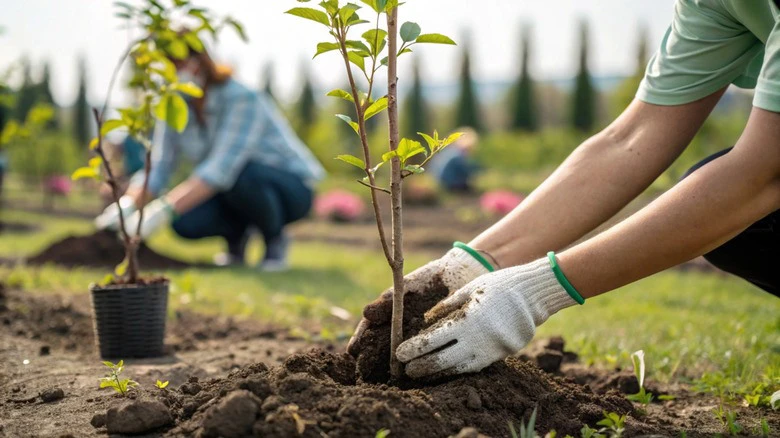

Tree planting succeeds when planning matches the site, climate, and long-term goals. A thoughtful approach reduces tree loss, limits future maintenance issues, and improves growth rates. This article explains the key factors that shape results, from soil conditions to aftercare.
For property owners and managers, understanding these considerations helps avoid costly mistakes. The guidance below draws on real-world landscaping practices and regional planting standards used across residential and commercial projects.
This information reflects industry experience in site preparation, plant selection, and maintenance planning, helping readers make informed decisions before planting begins.
1. Site Assessment and Soil Conditions
Every planting project should begin with a clear site assessment. Soil type, drainage patterns, and existing vegetation affect root development and long-term health. Skipping this step often leads to stunted growth or early decline.
Professionals usually evaluate both surface and subsurface conditions. Clay-heavy soils, common in parts of southern Louisiana, retain water and require adjusted planting depths and soil amendments.
Understanding Soil Composition
Soil testing reveals texture, pH, and nutrient levels. These results guide tree selection and soil improvement steps.
- Sandy soils drain quickly and may need organic matter to hold moisture.
- Clay soils benefit from careful grading and proper root flare exposure.
- Compacted soils limit oxygen and require mechanical loosening.
Drainage and Water Flow
Poor drainage causes root rot and fungal issues. Observing how water moves after rainfall helps identify low spots and runoff paths.
Signs of Drainage Problems
Standing water, algae growth, and soil odor often indicate drainage concerns that need correction before planting.
2. Tree Species Selection
Choosing the right species affects survival rates and maintenance costs. Native and climate-adapted trees handle local pests, heat, and rainfall patterns better than ornamental imports.
In Gulf Coast regions, live oak, bald cypress, and southern magnolia show strong performance in urban and suburban settings.
Matching Trees to Purpose
Tree choice should align with shade needs, space limits, and soil tolerance.
- Shade trees reduce cooling costs by up to 30 percent in mature landscapes.
- Ornamental trees suit entryways and smaller yards.
- Wind-resistant species lower storm damage risk.
Growth Rate and Mature Size
Fast-growing trees provide quick results but often have weaker wood. Slower growers last longer and need less corrective pruning.
3. Proper Planting Techniques
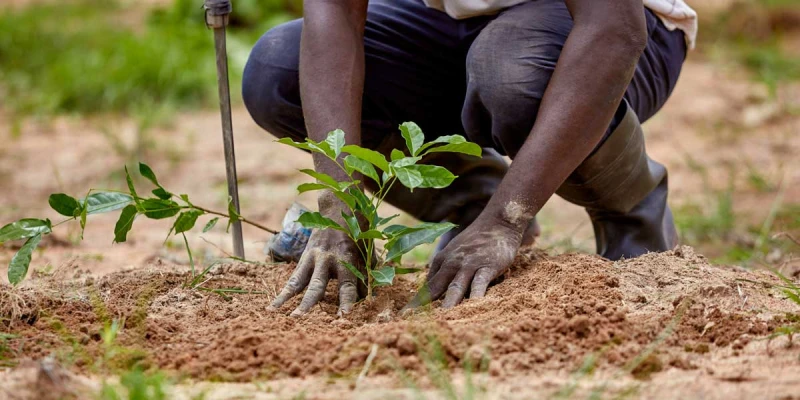
Correct planting depth and spacing matter as much as tree selection. Many failures trace back to planting too deep or too close to structures.
Roots need oxygen near the surface. Burying the root flare restricts airflow and encourages decay.
Spacing and Clearance
Adequate spacing prevents canopy crowding and root conflicts with sidewalks or foundations.

Backfill and Mulching
Native soil works best for backfill. Mulch should stay a few inches away from the trunk to avoid moisture buildup.

4. Timing and Seasonal Factors
Planting at the right time improves root establishment. In warm southern climates, fall and early winter planting allows roots to grow before summer heat.
Market data shows trees planted in cooler seasons have survival rates up to 25 percent higher than spring plantings in hot regions.
Weather Considerations
Extreme heat, drought, or heavy rain can stress new plantings. Monitoring forecasts helps schedule planting windows.
Regional Climate Guidance
In Louisiana and similar regions, planting between October and February limits heat stress and reduces irrigation demand.
5. Watering and Early Care
New trees need consistent moisture during the first year. Overwatering causes as many problems as drought.
A structured watering plan supports root expansion beyond the original planting hole.
Establishment Period Needs
Most trees require weekly deep watering during the first growing season.
- Adjust frequency based on rainfall and soil type.
- Use slow-release methods to soak roots evenly.
- Reduce watering after the first year to encourage deeper rooting.
Bonus Tips
- Install watering bags for even moisture delivery.
- Check soil moisture before adding more water.
6. Long-Term Maintenance Planning
Tree planting is a long-term investment. Planning for pruning, pest management, and inspections protects that investment.
Data from commercial landscapes shows proactive maintenance lowers replacement costs by nearly 40 percent over ten years.
Pruning and Structure
Early structural pruning guides strong branch formation and reduces storm damage later.
Pest and Disease Monitoring
Regular inspections catch issues before they spread. Local pests vary by region, so monitoring plans should reflect local conditions.
7. Safety and Compliance Considerations
Trees must meet local codes and safety standards. Utility lines, sightlines, and property boundaries affect placement decisions.
Ignoring regulations can result in fines or forced removals.
Permits and Regulations
Some municipalities require permits for certain species or planting locations.
Professional Coordination
Working with experienced landscaping providers helps align projects with local rules and safety practices.
Things to Consider Before Making a Decision
Before planting begins, decision-makers should review several practical factors. Budget limits, site constraints, and long-term goals shape the final plan.
- Available space for mature canopy growth
- Ongoing maintenance responsibilities
- Local climate and soil limits
- Compliance with zoning or HOA guidelines
These factors help avoid replanting costs and design changes later.
Common Questions Property Owners Ask
Many readers want clarity before starting a project. Addressing common concerns early improves planning outcomes.
- How long does the establishment take
- Which species suit limited spaces
- How much maintenance to expect
Clear answers guide better decisions.

Answers to Key Tree Planting Questions
How long does it take for a tree to establish?
Most trees establish roots within one to two years. Larger specimens may take longer.
Are native trees always the best choice?
Native trees usually perform better, though some non-native species adapt well when properly selected.
How much space should be left between buildings?
Spacing depends on mature size. Large trees often need 20 feet or more from structures.
When should staking be removed?
Stakes should come off after the first growing season to allow natural trunk movement.
Can existing lawns affect tree growth?
Dense turf competes for water and nutrients. Mulched zones help young trees establish.
Final Thoughts on Planning Tree Projects
Successful tree planting relies on preparation, correct techniques, and long-term planning. Soil conditions, species choice, and aftercare shape results for decades. Property owners benefit from evaluating their site, climate, and maintenance capacity before planting begins.
Get Guidance From Experienced Landscaping Professionals
Property owners seeking practical guidance often consult experienced providers such as All Seasons Landscaping & Lawn Care. Their team supports planning, planting, and maintenance across varied property types. For additional information, readers can reach them call (225) 276-8658 to discuss site-specific needs and long-term goals.
Reviewer: Sophie Williams looked over this post and brought 7 years of field experience to her suggestions, helping ensure the content stays relevant to business owners and practical for everyday use.























Sign in to leave a comment.