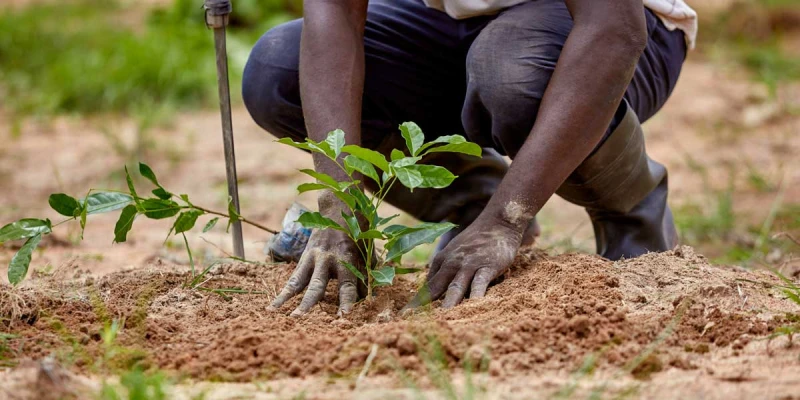

Tree planting can help reduce standing water, but it usually does not solve the problem alone. Trees improve drainage by using water through roots and by loosening soil, but they work best as part of a broader drainage plan. If water pools after heavy rain or persists for days, trees can help, but the root cause is often grading, soil compaction, or poor drainage.
This article explains how trees influence water movement, what types of trees work best in wet conditions, and what homeowners should check before planting. It also covers when tree planting is not enough and what additional steps are needed to fix standing water on a St. George, LA, property.
A tree can reduce surface water over time, but it cannot replace proper drainage design. A professional assessment is the best way to confirm whether trees will make a meaningful difference. The information below reflects common industry practice and real-world results from residential properties in similar climates.
How Trees Affect Standing Water on a Property
Trees pull water from the soil through their roots and release it into the air through transpiration. This process can reduce soil moisture and help water move away from the surface. Over time, tree roots also create channels in the soil that improve infiltration.
Why Trees Improve Soil Structure
Tree roots break up compacted soil and increase pore space. This allows rainwater to sink deeper rather than pool. Soil that drains well also reduces the risk of root rot and other moisture-related problems.
Tiny Heading for Root Depth and Water Uptake
Deeper roots can access water from lower layers and reduce saturation near the surface. Trees that develop deep root systems are better at reducing standing water over time than shallow-rooted species.
When Tree Planting Works Best for Drainage
Tree planting works best when the soil is compacted or the property has poor infiltration. In those cases, tree roots act like natural drainage channels. Trees also help in areas where water sits temporarily after storms, because they reduce the time water remains on the surface.
Bonus Tip
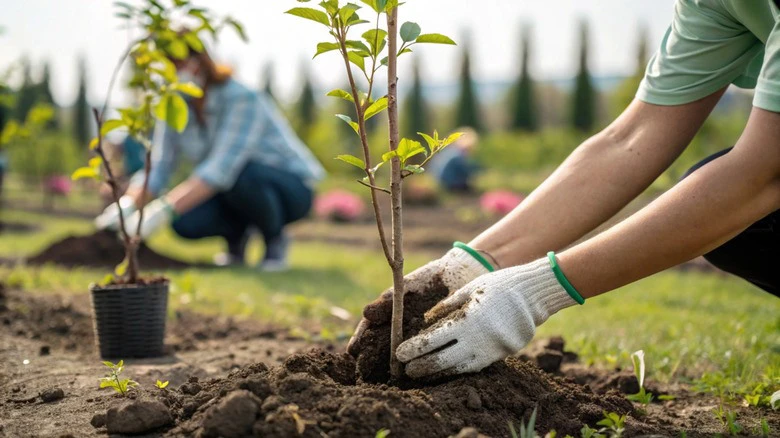
Tree planting works best when paired with soil aeration or soil amendment. Adding organic matter and loosening soil before planting improves root growth and water movement.
Tree Species That Handle Wet Conditions Well
Not all trees thrive in wet soil. Some species tolerate standing water and still grow strong roots. Choosing the right tree can prevent future problems like root rot, leaning trunks, or early decline.
Tree Types That Perform Well in Wet Areas
- Bald cypress is known for tolerating saturated soil and standing water. It also adds height and shade.
- River birch adapts to wet conditions and establishes quickly in moist soil.
- Water tupelo can handle periodic flooding and still maintain healthy growth.
- Swamp chestnut oak survives in wet soil and provides a strong canopy for shade.
Tiny Heading for Trees to Avoid in Wet Soil
Trees like pines, maples, and certain oaks often struggle in wet soil. They can develop shallow roots and fail during storms. Choosing the wrong tree can make standing water worse over time.

How Tree Planting Fits Into a Drainage Plan
Tree planting is rarely a complete fix for standing water. It works best as part of a drainage plan that includes grading, soil preparation, and water control systems. A property with persistent standing water usually needs more than one solution.
How Trees Work With Other Drainage Solutions
Trees help reduce water, but they do not replace a drainage system. A professional plan often includes one or more of the following:
- Regrading low areas to move water away from the house.
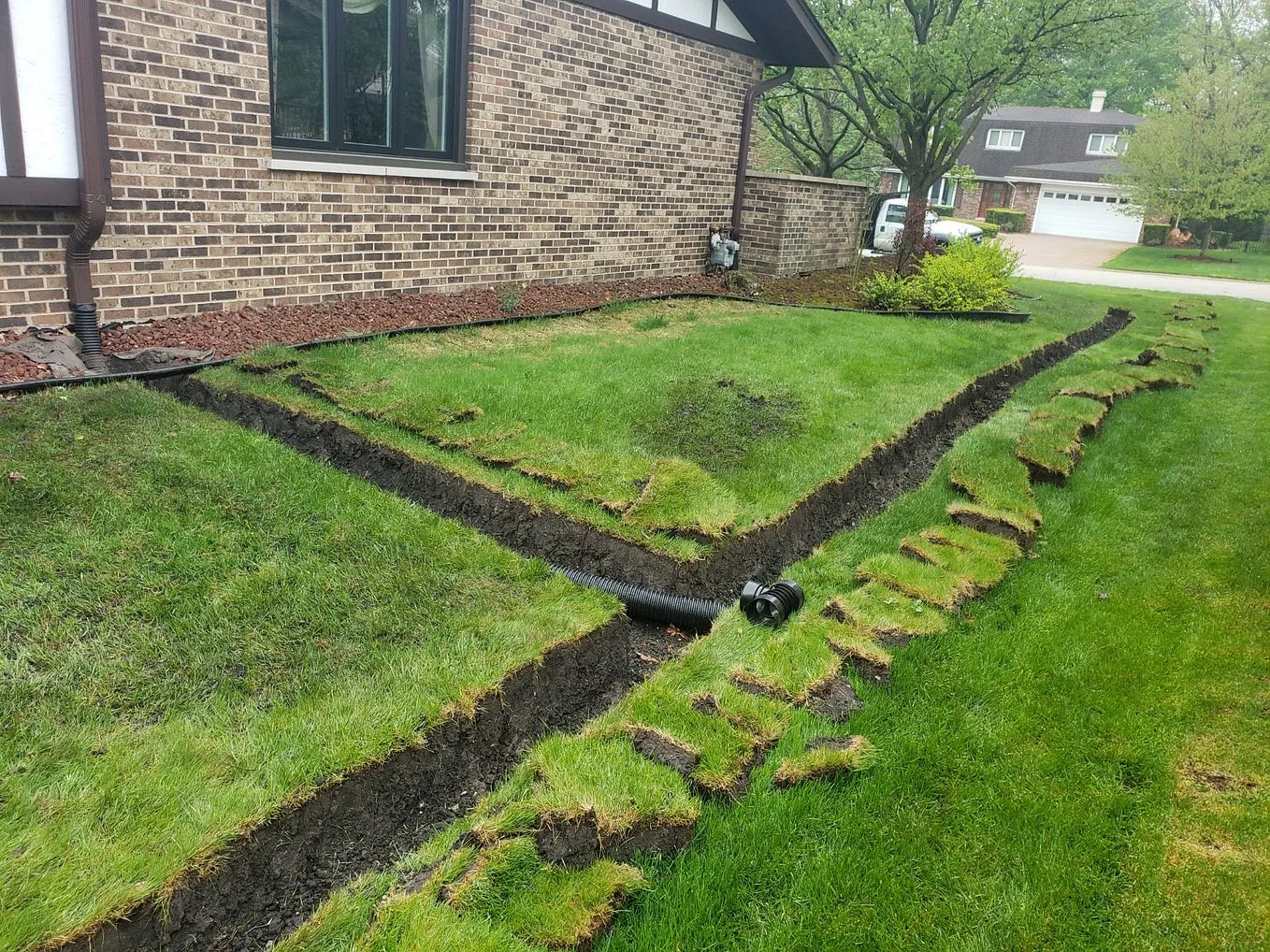
- Installing French drains or dry wells to carry water underground.
- Adding swales or rain gardens to direct water flow naturally.
- Adjusting gutter downspouts to prevent water from pooling near foundations.
Bonus Tip
Plant trees on the uphill side of standing water to pull water away from the low spot. Trees planted directly in the lowest area may struggle if water stays for long periods.
St. George, LA Climate Factors That Affect Standing Water
St. George, LA, experiences hot summers and frequent rain events that can overload soil quickly. Clay-heavy soils are common in the region and can hold water for days. This makes drainage planning more important than tree selection alone.
How Soil Type Influences Tree Effectiveness
Clay soil drains slowly and holds water near the surface. Trees can help over time, but they need proper planting techniques. Adding compost or using raised planting beds can improve root health and reduce standing water.
Tiny Heading for Seasonal Considerations
During summer, trees use more water, which helps reduce standing water faster. In winter, trees use less water and soil stays wetter longer. A drainage plan should account for seasonal changes.
Comparison of Tree Planting and Drainage Solutions
A table helps clarify what tree planting can do compared to common drainage fixes. This helps homeowners set realistic expectations before investing.

Things to Consider Before Making a Decision
Before planting trees, homeowners should assess the source of standing water. They should check whether the issue is surface runoff, poor soil drainage, or blocked drainage systems. A proper diagnosis prevents wasted time and money.
Key Factors to Review Before Planting Trees
- Soil type and compaction level to determine infiltration potential.
- Water source such as roof runoff, neighboring properties, or underground springs.
- Existing drainage features and whether they are blocked or undersized.
- Tree species suitability for wet soil and local climate conditions.
- Long-term maintenance needs like pruning, mulching, and irrigation adjustments.

What Homeowners Should Do Next
Homeowners should start with a site assessment to identify the main cause of standing water. If the issue involves poor soil drainage or grading, tree planting should be part of a broader plan. A professional can recommend the best combination of trees and drainage solutions for the specific property.
Contact a Local Provider for a Drainage Review
For a detailed assessment of standing water and tree planting options, homeowners can reach out to a local landscaping provider. All Seasons Landscaping & Lawn Care can evaluate soil conditions, recommend suitable tree species, and suggest drainage improvements. They can be contacted at by phone at (225) 276-8658 for guidance and service options.
Questions About Trees and Standing Water
This section answers common homeowner questions about tree planting and water issues. The answers focus on realistic results and clear steps.
Can trees absorb enough water to fix a flooded yard?
Trees can reduce soil moisture over time, but they rarely fix flooding alone. Trees work best with grading or drainage systems.
How long does it take for trees to improve drainage?
Trees typically take 1 to 3 years to affect soil structure and water movement. The timeline depends on the tree type and soil condition.
Can planting trees make standing water worse?
Yes, if the tree species does not tolerate wet soil or if the planting area stays flooded. Poor selection can lead to weak roots and tree failure.
Should trees be planted in the lowest part of the yard?
Planting in the lowest spot can work only if water does not stay for long periods. If water pools for days, trees need better drainage support.
Do trees reduce mosquito problems from standing water?
Trees do not eliminate mosquitoes because water still needs to drain. They can reduce standing water duration, but a drainage solution is usually required.
Reviewer: Sophie Williams reviewed this post and brought 7 years of field experience to her suggestions, helping ensure the content remains relevant to business owners and practical for everyday use.


























Sign in to leave a comment.