

Lower back pain is one of those sneaky health issues that can creep up on anyone, at any time. Whether you’re lifting heavy boxes, sitting at a desk all day, or even just bending down to tie your shoes, your lower back can suddenly decide to protest. For many people, lower back pain is a temporary annoyance that fades with rest, stretching, or over-the-counter painkillers. But sometimes, it’s a red flag signaling something more serious. How do you know when it’s time to stop ignoring the pain and visit a doctor? Let’s break it down.
Here are seven signs that you need lower back pain treatment from a professional:
1. The Pain Doesn’t Go Away After a Few Weeks
We’ve all had those days where our back feels stiff or sore, and we chalk it up to overexertion or sleeping in a weird position. Usually, this kind of pain fades within a few days or weeks. But if your lower back pain sticks around for more than four to six weeks, it’s time to see a doctor. Chronic pain could be a sign of an underlying condition like arthritis, a herniated disc, or even a muscle or ligament strain that isn’t healing properly. A doctor can help pinpoint the cause and recommend the right lower back pain treatment.
2. The Pain Spreads to Other Areas
Lower back pain that stays in your lower back is one thing. But if the pain starts to travel—radiating down your legs, into your hips, or even up your spine—it could be a sign of nerve compression or sciatica. Sciatica occurs when the sciatic nerve, which runs from your lower back down your legs, gets pinched or irritated. This can cause sharp, shooting pain, numbness, or tingling in your legs. Ignoring this kind of pain can lead to long-term nerve damage, so don’t wait to get it checked out.
3. You’re Experiencing Numbness or Tingling
Speaking of numbness and tingling, these sensations are never something to brush off. If you feel like your legs, feet, or even your lower back are “falling asleep” or you have a pins-and-needles sensation, it could mean that nerves in your spine are being compressed. This is often caused by conditions like a herniated disc or spinal stenosis. A doctor can perform tests to determine the cause and suggest accurate lower back pain treatment, for example, physical therapy, medication, or even surgery if necessary.
4. You’ve Lost Control of Your Bladder or Bowels
This one is a big red flag. If your lower back pain is accompanied by a loss of control over your bladder or bowels, it could be a sign of cauda equina syndrome—a rare but serious condition where the nerves at the base of the spinal cord are compressed. This is a medical emergency and requires immediate attention. Don’t wait; head to the emergency room right away.
5. The Pain Is Severe and Sudden
Not all back pain builds up gradually. Sometimes, it hits you like a ton of bricks. If you experience sudden, severe lower back pain—especially after an injury or accident—it could indicate a serious issue like a fracture, dislocation, or even a ruptured disc. Severe pain that comes out of nowhere is your body’s way of saying, “Hey, something’s wrong here!” Listen to it and get checked out by a doctor for suitable lower back pain treatment.
6. You’re Running a Fever
Lower back pain paired with a fever is a combination that should never be ignored. This could be a sign of an infection, such as a kidney infection or even a spinal infection. Infections in the spine, though rare, can be serious and require prompt treatment with antibiotics or other interventions. If you’re feeling feverish, fatigued, or unwell along with your back pain, it’s time to call your doctor and get the right lower back pain treatment.
7. You’ve Tried Everything and Nothing Works
Maybe you’ve tried resting, icing your back, taking painkillers, and doing stretches, but the pain just won’t budge. If you’ve given self-care a fair shot and your lower back pain is still interfering with your daily life, it’s time to get professional lower back pain treatment. A doctor can perform a thorough evaluation, which might include imaging tests like X-rays or MRIs, to figure out what’s going on. From there, they can recommend treatments like physical therapy, chiropractic care, or even surgery if needed.
Why Ignoring Lower Back Pain Can Be Risky
It’s easy to brush off lower back pain as “just one of those things.” After all, it’s so common that it’s almost a universal human experience. But ignoring persistent or severe pain can lead to bigger problems down the road. Untreated conditions like herniated discs, spinal stenosis, or even infections can worsen over time, leading to chronic pain, mobility issues, or permanent nerve damage. The sooner you address the problem, the better your chances of a full recovery.
What to Expect When You Visit a Doctor
If you’ve decided it’s time to see a doctor for your lower back pain treatment, you might be wondering what to expect. Here’s a quick rundown:
Medical History: Your doctor will ask about your symptoms, how long you’ve had them, and whether you’ve had any injuries or accidents.
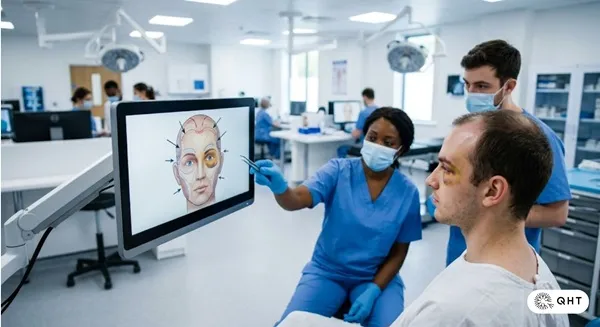
Physical Exam: They’ll likely check your range of motion, reflexes, and strength to assess how your back pain is affecting you.
Imaging Tests: Depending on your symptoms, your doctor might order X-rays, MRIs, or CT scans to get a closer look at your spine.
Treatment Plan: Once they’ve identified the cause of your pain, your doctor will recommend a lower back pain treatment plan tailored to your needs. This could include medication, physical therapy, lifestyle changes, or in some cases, surgery.
Tips for Preventing Lower Back Pain
While some causes of lower back pain are unavoidable, there are steps you can take to reduce your risk:
Practice Good Posture: Whether you’re sitting, standing, or lifting, proper posture can take a lot of strain off your lower back.
Stay Active: Regular exercise, especially activities that strengthen your core muscles, can help support your spine and prevent pain.
Lift Properly: Always lift with your legs, not your back, and avoid twisting while lifting heavy objects.
Take Breaks: If you sit for long periods, make sure to stand up, stretch, and move around every hour or so.
Maintain a Healthy Weight: Carrying extra weight, especially around your midsection, can put additional stress on your lower back.
Summary
Lower back pain is one of those things that can range from a minor inconvenience to a major health issue. While it’s tempting to tough it out, there are times when seeing a doctor is the best thing you can do for your health. If your pain is persistent, severe, or accompanied by other symptoms like numbness, fever, or loss of bladder control, don’t wait; contact a medical professional and suitable lower back pain treatment. Your back (and your future self) will thank you for this.






























Sign in to leave a comment.