

Choosing a roofing contractor based on the lowest estimate can create problems that cost far more later. According to the U.S. Census Bureau, homeowners spent more than $827 billion on home improvements and repairs over the period of two years ending in 2023, showing just how significant residential maintenance and renovation spending has become.
Roofing is one area where quality, workmanship, and planning can directly affect a home’s protection and long-term value.
Comparing contractors carefully gives homeowners a better way to judge what they are actually getting for their investment. This guide looks at seven areas worth comparing, from experience and project scope to materials, estimates, warranties, communication, and workmanship.
1. Experience and Track Record
Experience should be one of the first things homeowners compare. A contractor may have an impressive website, but that does not necessarily reveal how consistently the company completes roofing projects.
Homeowners should consider:
· How many years the contractor has been operating
· Whether the contractor regularly handles projects similar to theirs
· What types of roofing systems the contractor installs
· Whether previous customers have left meaningful reviews
· Whether the contractor can provide examples of completed work
Experience matters because roofing projects can involve more than removing old shingles and installing new ones. Roof pitch, ventilation, flashing, drainage, decking, weather exposure, and existing damage can all affect the work required.
A contractor with experience in residential projects should be able to explain these considerations clearly rather than giving a vague description of the work.
2. The Exact Scope of the Project
Two roofing contractors may provide estimates for the same property while planning very different amounts of work. That is why homeowners should compare the scope line by line instead of comparing only the final price.
A detailed proposal should explain whether the project includes:
· Removal and disposal of existing roofing
· Inspection of roof decking
· Replacement of damaged decking
· Underlayment installation
· Flashing replacement or repair
· Ventilation work
· Drip edge installation
· Shingle or roofing material installation
· Cleanup and debris removal
This comparison can reveal why one estimate is higher than another. A lower price may not represent better value if important work has been excluded.
Homeowners considering roof repair should also ask whether the contractor has identified the source of the problem. For example, a water stain on a ceiling does not necessarily mean the visible area is where water is entering. A proper assessment should consider the roof system as a whole.
3. Roofing Materials and Product Quality
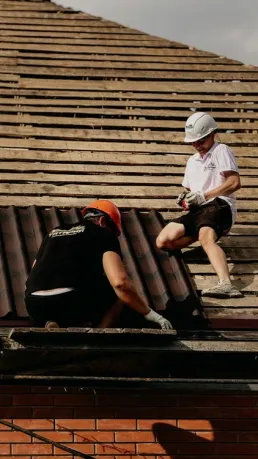
Materials can have a major effect on appearance, durability, maintenance, and expected service life. Homeowners should therefore compare more than the generic term used for the roofing material.
For example, if several estimates specify asphalt shingles, the proposals should identify the product line, grade, warranty information, and relevant installation requirements.
Important material questions include:
· What manufacturer and product are being proposed?
· What warranty comes with the material?
· What installation requirements apply?
· Are underlayment and ventilation components included?
· Are upgraded materials available if desired?
The goal is not necessarily to choose the most expensive product. Instead, homeowners should understand what each material offers and whether it fits the property’s needs, design, and expected use.
4. Estimates and Pricing Details
Price matters, but the lowest estimate should not automatically win. A useful comparison considers what the homeowner receives for the quoted amount.
Each estimate should be checked for:
· Labor costs
· Material costs
· Removal and disposal fees
· Permits, when applicable
· Repair allowances
· Cleanup
· Payment terms
· Potential additional charges
A clear estimate makes it easier to compare contractors on equal terms. If one proposal is extremely brief while another provides detailed descriptions, homeowners should ask questions before making a decision.
For homeowners seeking roofing contractors in Caldwell, ID, this kind of comparison can be especially useful when multiple bids appear similar at first glance. A careful review may reveal significant differences in included work, material quality, or project preparation.
5. Warranty Coverage
A roof warranty can provide valuable protection, but homeowners should understand exactly what it covers. Not every warranty offers the same protections, and some warranties distinguish between material defects and workmanship issues.
Homeowners should ask:
· How long does the material warranty last?
· Is workmanship covered separately?
· What could void the warranty?
· Does the contractor provide written warranty information?
· Are maintenance requirements associated with coverage?
· Who should be contacted if a warranty issue develops?
It is also worth checking whether the contractor clearly explains the difference between a manufacturer’s warranty and a contractor’s workmanship warranty. Knowing this information before signing an agreement can prevent confusion later.
6. Communication Before and During the Project
Good communication can make a major difference in how smoothly a roofing project proceeds. Homeowners should compare how responsive and informative each contractor is from the first conversation.
A strong contractor should be willing to explain:
· What the inspection found
· What work is recommended
· What materials are being proposed
· How long the project may take
· What preparation the homeowner needs to complete
· How weather could affect scheduling
· Who will communicate updates
Communication is also important when unexpected conditions are discovered. Roofing work can sometimes reveal damaged decking, deteriorated flashing, or ventilation concerns that were not visible during the initial inspection. Homeowners should know how such issues will be documented and discussed before additional work begins.
When comparing roofing contractors in Nampa, ID, homeowners should pay attention to how clearly each contractor answers questions rather than judging proposals on price alone.
7. Workmanship and Professional Standards
The final comparison should focus on how the contractor plans to perform the work. Even quality materials can perform poorly when installation is rushed or improperly completed.
Homeowners can ask about:
· Crew experience and supervision
· Installation procedures
· Safety practices
· Property protection
· Cleanup standards
· Inspection after installation
· Handling of leftover materials and debris
References can also provide useful insight. Rather than simply asking whether previous customers were satisfied, homeowners can ask about punctuality, communication, cleanliness, workmanship, and whether the contractor addressed concerns after completion.
For homeowners researching residential roofing in Eagle, ID, these questions can help distinguish between contractors that simply provide an installation quote and those that take responsibility for the complete project.
What Makes a Roofing Contractor Worth Hiring?

Could the right contractor make the difference between a stressful roofing project and one that feels organized from start to finish?
Empire Renovations gives homeowners a professional option when they need experienced roofing assistance across Southern and Southwest Idaho. The company provides clear project planning, quality-focused workmanship, and roofing solutions designed around the needs of residential properties.
Homeowners considering roofing contractors in Eagle, ID can contact Empire Renovations to discuss their roofing concerns, understand the recommended work, and receive guidance on the next steps.
A careful comparison remains one of the best ways to protect a roofing investment. By examining experience, scope, materials, estimates, warranties, communication, and workmanship together, homeowners can make a more informed choice and select a contractor based on the complete value of the project rather than price alone.
Author Bio
Samantha K. Lu is a home improvement writer who covers roofing, exterior maintenance, remodeling, and practical property care. Her work focuses on helping homeowners understand project requirements and make informed decisions about maintaining and improving their homes.






















Sign in to leave a comment.