
Selecting the right lubricant distributor is an important decision that can directly affect equipment performance, maintenance costs, and operational efficiency. While many suppliers offer similar products, the quality of service, technical expertise, and long-term support can vary significantly.
Businesses should evaluate potential partners carefully to ensure they receive the products and services needed to support their operations. Choosing the right industrial lubricant distributors can help reduce downtime, improve equipment reliability, and strengthen maintenance performance.
Here are seven key factors to consider before making your decision.
1. Industry Experience and Expertise
Experience is one of the most valuable qualities a distributor can offer.
A distributor with extensive industry knowledge understands:
- Equipment requirements
- Operating conditions
- Lubrication challenges
- Maintenance best practices
Their expertise allows them to recommend suitable products and help resolve technical issues more effectively.
Why It Matters
Experienced professionals can identify potential problems before they become costly failures, helping businesses improve operational reliability.
2. Product Range and Availability
Industrial facilities often require multiple lubricant types for different applications.
A strong distributor should provide access to:
- Hydraulic oils
- Gear oils
- Compressor oils
- Greases
- Synthetic lubricants
A broad product portfolio ensures businesses can meet diverse lubrication requirements through a single supplier.
3. Technical Support Services
Technical support is essential for optimizing lubricant performance.
Look for distributors that offer:
- Equipment assessments
- Product recommendations
- Lubrication audits
- Troubleshooting assistance
Added Value
Technical support can improve equipment efficiency and reduce maintenance expenses over time.
4. Oil Analysis Capabilities
Oil analysis is an important predictive maintenance tool.
Distributors offering oil analysis programs can help identify:
- Contamination issues
- Lubricant degradation
- Excessive wear
- Potential equipment failures
This information allows maintenance teams to take corrective action before serious problems occur.
5. Inventory Management Support
Efficient inventory management helps maintain operational continuity.
The right distributor should assist with:
- Inventory monitoring
- Usage forecasting
- Automatic replenishment
- Emergency supply support
These services help prevent shortages while reducing excess stock levels.
6. Commitment to Sustainability
Sustainability is becoming increasingly important across industrial sectors.
Distributors should be able to provide:
- Environmentally responsible products
- Waste reduction guidance
- Energy-efficient lubricant options
- Sustainability recommendations
Organizations pursuing environmental goals benefit from partners who understand sustainable lubrication strategies.
7. Customer Service and Reliability
Customer service often determines the success of a long-term supplier relationship.
Evaluate factors such as:
- Response times
- Communication quality
- Delivery reliability
- Problem-solving capabilities
A distributor that responds quickly and consistently can help minimize disruptions and support operational stability.
Additional Considerations
Beyond the seven primary factors, businesses should also assess:
Training Programs
Employee education improves lubrication practices and reduces operational risks.
Emergency Support
Unexpected equipment issues may require immediate technical assistance or urgent product deliveries.
Long-Term Partnership Potential
The best distributors focus on supporting long-term business objectives rather than simply processing orders.
Evaluating Total Value
Price is important, but it should not be the only factor considered.
A lower-cost supplier may lack critical support services that contribute to equipment reliability and maintenance efficiency.
When evaluating distributors, consider the total value they provide through:
- Technical expertise
- Service quality
- Product availability
- Operational support
This broader perspective often leads to better long-term outcomes.
Supporting Diverse Lubrication Requirements
Many businesses operate mixed fleets, manufacturing facilities, and heavy equipment.
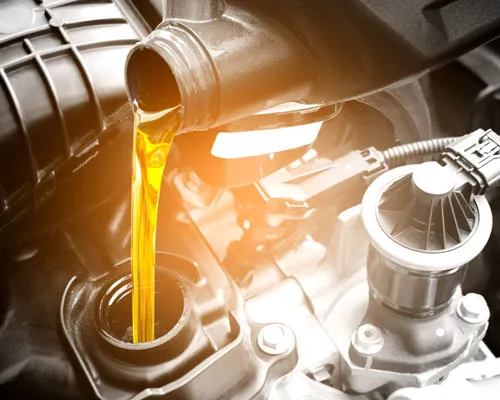
Some distributors provide solutions for both industrial applications and automotive lubricants, helping simplify procurement and supplier management.
This integrated approach can improve efficiency and reduce administrative complexity.
Building a Strong Supplier Relationship
A successful distributor relationship is based on communication, trust, and shared goals.
Organizations should look for partners willing to:
- Understand operational challenges
- Provide proactive recommendations
- Support continuous improvement
- Deliver consistent service quality
Strong partnerships often generate significant long-term benefits.
Final Thought
Choosing the right lubricant distributor requires careful evaluation of expertise, technical support, product availability, inventory management capabilities, sustainability commitment, and customer service quality. The ideal distributor functions as a strategic partner that helps improve equipment reliability, reduce maintenance costs, and support operational success. By considering these seven factors, businesses can make informed decisions and establish supplier relationships that deliver long-term value and performance improvements.































Sign in to leave a comment.