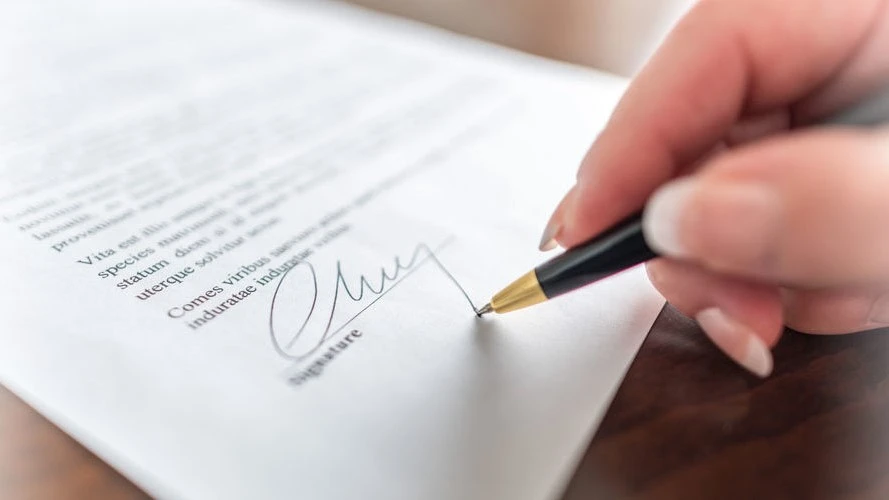

Handling important documents isn't always as simple as signing on the dotted line. In many legal, financial, and personal situations, a notary plays a pivotal role in verifying authenticity and preventing disputes. Skipping notarization when it’s required can result in rejected filings, unnecessary delays, or even legal consequences. Knowing when to bring in a notary can save time, reduce stress, and avoid costly mistakes.
Professionals trained in notarization confirm identity, willingness, and understanding for anyone signing significant documents. This third-party validation adds a safeguard that’s especially important when decisions carry legal or financial weight.
1. Real Estate Transactions Notary Requirements
Property transactions involve detailed legal forms that must meet specific guidelines. Documents such as closing disclosures, loan agreements, and title transfers are often invalid unless they’re notarized.
One seller missed their settlement deadline after forgetting to notarize the deed transfer. That one overlooked step delayed funding and triggered extra administrative fees.
- Lenders typically require notarized loan documentation for compliance
- County clerk offices reject unnotarized deeds for official record updates
- Title companies prefer notarized forms to prevent future ownership disputes
2. Power of Attorney Notary Importance
Assigning someone to act on your behalf—financially or medically—requires more than trust. Power of Attorney forms must be notarized in most states for banks, hospitals, or government agencies to accept them.
A caregiver was denied access to her parent’s account because the document lacked notarization. That hold-up left her unable to pay urgent medical expenses.
- Financial institutions demand notarized POAs to prevent unauthorized access
- Notaries verify mental capacity and that no coercion is present during signing
- Medical POAs often require notarization to be legally enforceable
3. Notarizing Wills and Trusts
Estate planning helps individuals control what happens to their assets after death. While wills don't always require notarization, including a notarized self-proving affidavit can make probate more straightforward.
A handwritten will caused confusion among heirs due to missing notarization and unclear language. That omission led to a prolonged and expensive legal process.
- Self-proving affidavits speed up probate and reduce challenges in court
- Living trusts become stronger legal documents when notarized properly
- Notarization helps confirm the signer’s sound judgment and intention
4. Business Contracts Notary Use Cases
Business agreements define expectations between partners, clients, and vendors. Notarizing these documents adds credibility and can prevent disagreements down the road.
One contractor lost a court case because their unsigned and unnotarized contract was deemed unreliable. That ruling left the client unpaid and the business struggling.
- Partnership agreements often need notarization to be upheld in disputes
- High-value contracts gain credibility when notarized by an independent witness
- Commercial leases sometimes require notarized signatures for legal filing

5. Notarizing Adoption and Guardianship Papers
Legal paperwork involving children must meet high standards. Courts require properly notarized consent forms for guardianships, adoptions, or temporary custody changes.
One family trying to enroll their niece in school was denied due to an unnotarized guardianship form. This setback delayed medical care and access to education.
- Family court judges rely on notarized documents to verify voluntary consent
- Adoption papers need notarization for court approval in many jurisdictions
- Notaries ensure the adults involved understand the gravity of their commitments
6. International Document Notary Services
Cross-border transactions and applications often require documents that meet global legal standards. Many international institutions insist on notarization before accepting paperwork.
A visa applicant’s support affidavit was returned by a foreign embassy for lacking a notarial seal. That delay caused them to miss their departure window and lose their opportunity.
- Notarized identity and eligibility forms are required by many foreign governments
- Apostille processing begins with notarization in most U.S. states
- Notarized school or employment forms make them acceptable abroad
7. Court Filings and Affidavit Notarization
Legal proceedings often hinge on written testimony. Courts expect affidavits and declarations to be notarized before they can be used as evidence.
A tenant fighting an illegal eviction submitted a letter without notarization, which the judge promptly dismissed. Their case lost traction because the documentation lacked legal standing.
- Civil and family courts require notarized sworn statements for testimony
- Judges trust notarized documents over unsigned or casual statements
- Notarization proves the signer made their statement under legal oath
Key Takeaways for 7 Times You Need a Notary
- Notaries confirm identity, intent, and understanding for crucial legal documents
- Unnotarized documents are often rejected by courts, banks, or government agencies
- Real estate, business contracts, estate planning, and international documents all commonly require notarization
Frequently Asked Questions About Needing a Notary
1. Can notarization be added after a document is signed?
No. A notary must witness the signing live. If that doesn’t happen, a new document must be created and signed again in front of a notary.
2. Why do courts insist on notarized statements?
Notarization verifies that the statement was made under oath and willingly. This gives the court confidence in its authenticity.
3. Are all notaries authorized to handle legal documents?
Yes, but some documents—like immigration forms or loan signings—may require a notary trained in those areas for best results.
4. What kind of ID is accepted by notaries?
A current, government-issued photo ID like a passport, driver’s license, or military ID is required. It must be unexpired and match the name on the document.
5. Is a notarized form legally binding?
Notarization verifies the identity and willingness of the signer. While it strengthens enforceability, the document itself must still meet legal requirements to hold up in court.
Whether you're authorizing a family member to make decisions, finalizing a major purchase, or preparing for a court case, notarization plays a crucial role in protecting everyone involved. Recognizing the times when it's required ensures your paperwork holds weight—legally and practically.



































Sign in to leave a comment.