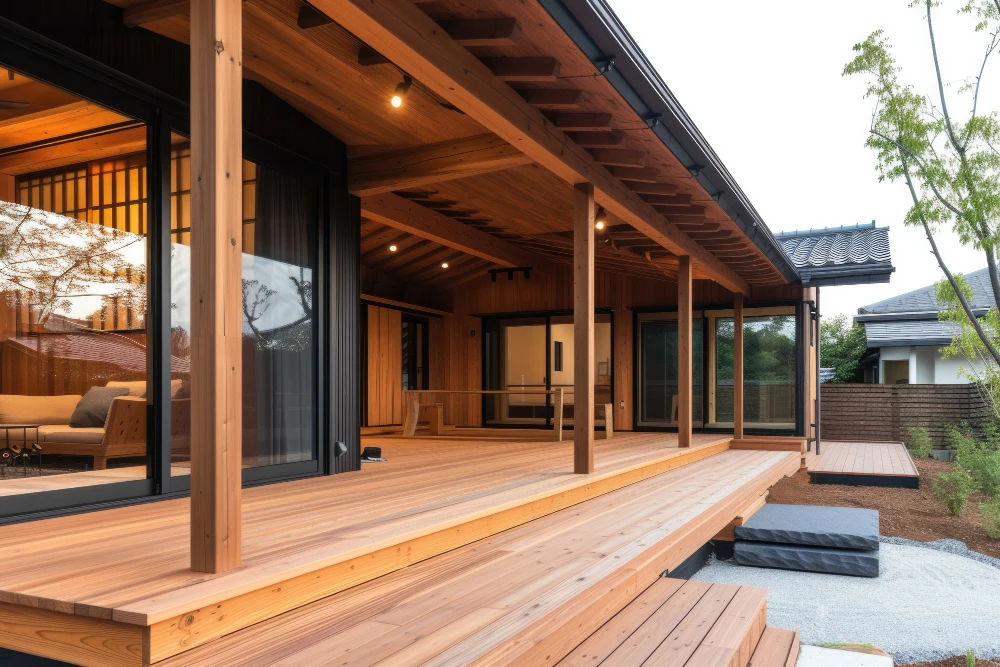
Are you thinking of building a new deck for your backyard? Are you wondering what pitfalls to avoid when starting your deck construction project? Do you want your deck to withstand time and weather? Building a deck is one of the best ways to increase your home's outdoor functionality and boost property value. However, many homeowners dive into deck construction without fully understanding the common mistakes that can lead to costly repairs, safety issues, or premature wear and tear. Whether hiring a professional or tackling the project yourself, avoiding these errors can make all the difference. Here are the top seven mistakes to avoid when building decks to ensure a long-lasting and beautiful addition to your home.
1. Skipping the Permit Process
You need a building permit for deck construction, if the deck is attached to your home or elevated above a certain height. Skipping this step could result in fines or the structure being forced to be torn down.
Tip: Always check with your local city or township before starting your deck project. Each area has different zoning regulations, setback rules, and building codes.
2. Poor Planning and Design
One of the biggest mistakes is jumping into deck construction without a detailed plan. A lack of planning can lead to awkward designs, inadequate space for furniture, and even safety hazards.
Key elements to plan for include:
- Deck size and shape
- Stair and railing placement
- Material selection (wood, composite, vinyl, etc.)
- Sun exposure and shade
- Drainage and water runoff
Pro Tip: Think long-term. Consider how the deck will be used in all seasons—not just during summer BBQs.
3. Using the Wrong Materials
Weather can be unpredictable and harsh—cold winters, wet springs, and hot summers. Using untreated wood or low-quality fasteners can cause your deck to deteriorate faster than expected.
Avoid:
- Non-pressure-treated wood
- Standard indoor screws and nails
- Substandard joist hangers
Recommended materials:
- Pressure-treated lumber or cedar for durability
- Composite decking for low maintenance
- Stainless steel or galvanized fasteners to resist rust
4. Neglecting a Solid Foundation
The strength of any deck depends on its foundation. Improperly placed footings or inadequate post anchors can result in sinking, shifting, or even collapse.
Frost heave is a genuine concern. It is mandatory to install footings below the frost line (usually 4–6 feet deep, depending on location).
Avoid shortcuts like:
- Pouring concrete directly into the soil without proper footing tubes
- Setting posts without adequate anchoring
- Relying solely on deck blocks for elevated or attached decks
5. Improper Ledger Board Installation
The ledger board connects your house to the deck. If not installed accurately, it can cause structural failure and pose severe safety risks.
Common mistakes include:
- Not using lag bolts or structural screws
- Failing to flash the ledger board properly
- Nailing the ledger board directly into brick or stucco
Always flash the board with metal flashing to prevent water from rotting the connection point.
6. Poor Spacing and Ventilation
Improper spacing between deck boards and a lack of ventilation underneath can lead to trapped moisture. It causes wood decay and mildew.
Ideal spacing:
- 1/8" to 1/4" between boards (depending on material and weather conditions)
- At least 6" of clearance between the bottom of your deck and the ground
Bonus Tip: Always seal cut ends for wood decks to prevent moisture intrusion.
7. Overlooking Safety Features
Your deck should be functional and safe. Failing to install proper railings, balusters, or stair treads can create a serious hazard for children and seniors.
Follow Canadian building code:
- Railings are required if the deck is over 24" off the ground
- Balusters should be no more than 4" apart
- Stairs must be uniform and properly supported
Also, consider anti-slip finishes or textured materials in deck construction for areas prone to rain or snow.
Conclusion
Building a deck can be advantageous, but it's not without challenges. From planning and permitting to foundation and materials, every step counts. By avoiding these common mistakes, you'll ensure your deck is stunning, functional, safe, and built to last—especially in Canada's diverse climate. Whether you're doing it yourself or hiring an expert contractor, take the time to do it right the first time. You'll save yourself money, stress, and future repairs. Turn to C.A. Contracting Inc. for excellent deck installation in West Vancouver.























Sign in to leave a comment.