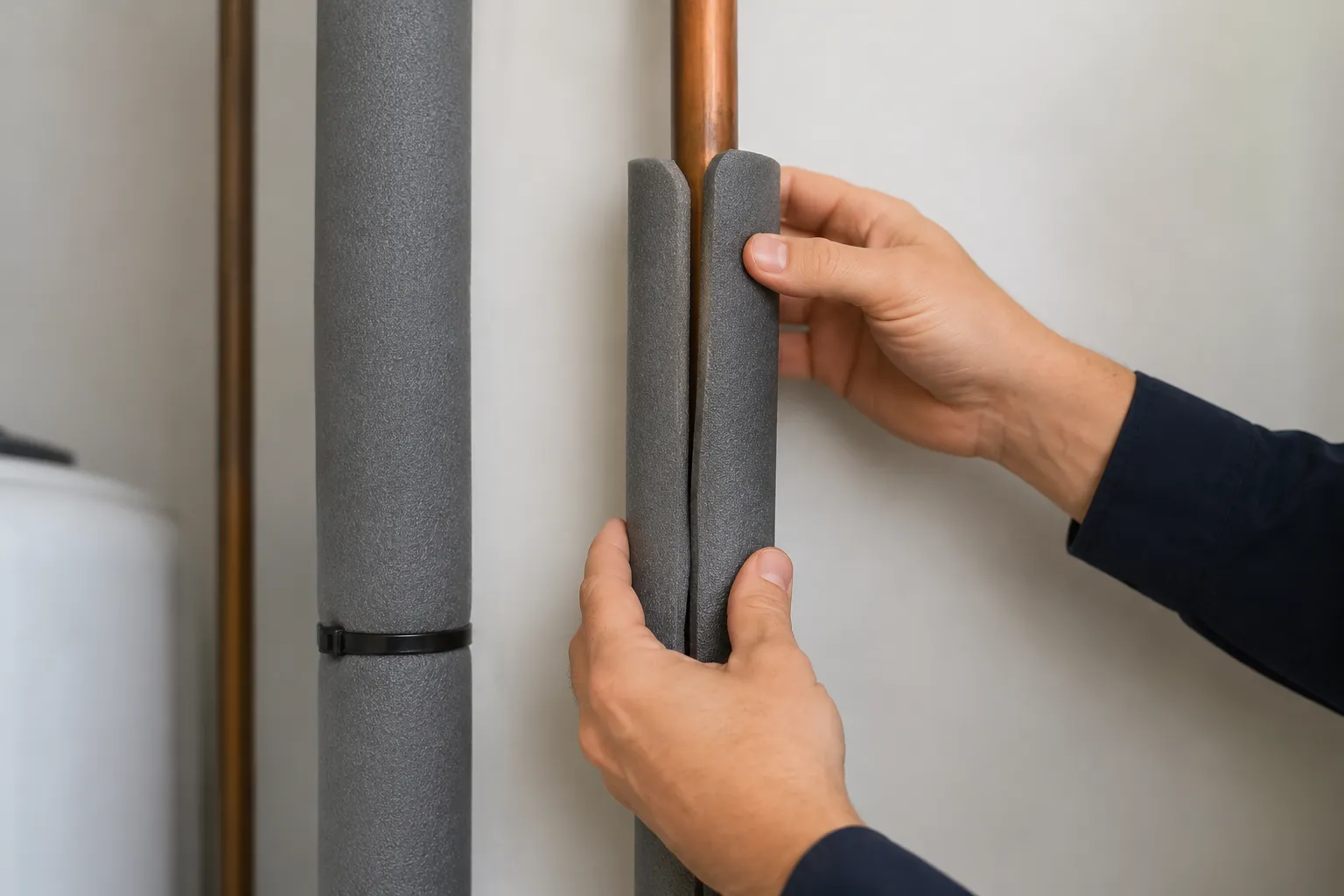

Are Your Pipes Costing You More Than You Think?
When homeowners look for ways to improve energy efficiency, they often focus on loft insulation, double glazing, or upgrading their heating systems. While these improvements can make a significant difference, one crucial area is frequently overlooked: Thermal Pipe Insulation.
Poorly insulated pipes can lead to unnecessary heat loss, higher energy bills, inconsistent water temperatures, and even costly maintenance issues. Whether you own a residential property, commercial building, or rental property, ensuring your pipework is properly insulated can help improve efficiency and reduce waste.
In this guide, we'll explore eight clear signs that your property may need better Thermal Pipe Insulation and why addressing these issues sooner rather than later can save money in the long run.
Why Thermal Pipe Insulation Matters
Before diving into the warning signs, it's important to understand the role of pipe insulation.
Thermal pipe insulation helps:
- Reduce heat loss from hot water pipes
- Prevent freezing during colder weather
- Improve heating system efficiency
- Lower energy consumption
- Protect pipes from condensation
- Extend the lifespan of plumbing systems
Without adequate insulation, your heating system has to work harder to maintain desired temperatures, resulting in increased energy usage and operating costs.
1. Your Energy Bills Keep Rising
Unexpected Heating Costs Could Point to Pipe Heat Loss
One of the most common signs of inadequate Thermal Pipe Insulation is a steady increase in heating costs.
When hot water travels through uninsulated pipes, heat escapes before it reaches radiators, taps, or appliances. As a result:
- Boilers run longer
- Water heaters consume more energy
- Heating systems become less efficient
If you've noticed your energy bills increasing without a significant change in usage habits, poorly insulated pipes may be contributing to the problem.
Watch for:
- Higher winter energy bills
- Increased boiler running times
- Reduced heating efficiency
2. Hot Water Takes Too Long to Reach Taps
Waiting Longer for Hot Water?
Have you ever turned on a hot water tap and found yourself waiting far longer than expected?
This often happens because heat is being lost while water travels through the pipe network.
Proper Thermal Pipe Insulation helps maintain water temperature during transit, allowing hot water to reach taps more quickly.
Common symptoms:
- Long waits for hot water
- Excessive water wastage
- Fluctuating water temperatures
Besides being inconvenient, this issue can increase both water and energy consumption over time.
3. Pipes Feel Extremely Hot or Cold to the Touch
Your Pipes Shouldn't Be Acting Like Radiators
A simple inspection can reveal a lot.
If hot water pipes feel excessively warm when touched, they're actively releasing heat into surrounding spaces. Likewise, cold pipes that feel unusually chilled may be vulnerable to condensation issues.
Proper insulation creates a protective barrier that minimises temperature transfer.
Signs to look for:
- Hot pipes warming utility rooms
- Cold pipes developing moisture
- Temperature differences between exposed pipe sections
Visible temperature transfer is often a clear indication that insulation performance needs improvement.
4. Condensation Is Forming Around Pipes
Small Water Droplets Can Lead to Bigger Problems
Condensation occurs when warm, moist air comes into contact with cold pipe surfaces.
Over time, condensation can contribute to:
- Damp patches
- Mould growth
- Structural damage
- Corrosion of metal pipes
Effective Thermal Pipe Insulation helps prevent surface temperatures from dropping low enough to encourage condensation formation.
Warning signs:
- Water droplets on pipes
- Damp smells in utility areas
- Visible mould around pipework
Addressing condensation early can help prevent expensive repairs later.
5. Certain Rooms Feel Colder Than They Should
Uneven Heating Throughout the Property
Many property owners assume cold rooms are caused by poor wall insulation or faulty radiators.
However, heat loss from inadequately insulated pipes can also reduce heating efficiency throughout a building.
When heat escapes before reaching radiators, some areas receive less warmth than intended.
You may notice:
- Cold bedrooms
- Chilly upstairs rooms
- Uneven radiator temperatures
- Heating systems struggling to maintain comfort
Improved pipe insulation can help distribute heat more effectively throughout the property.
6. You Hear Strange Noises from Pipework
Knocking, Clicking, or Expansion Sounds
Pipes naturally expand and contract as temperatures change.
Without adequate insulation, temperature fluctuations can become more extreme, increasing movement within the pipe system.
This may lead to:
- Clicking noises
- Knocking sounds
- Expansion-related movement
- Vibrations within walls or floors
While some pipe noise is normal, excessive sounds can indicate that temperature control throughout the system isn't optimal.
Insulation helps stabilise pipe temperatures and minimise unnecessary expansion.
7. Pipes Are Located in Unheated Areas
Lofts, Garages, Basements, and Outbuildings
Properties often contain pipework running through areas that aren't regularly heated.
These locations commonly include:
- Roof spaces
- Garages
- Cellars
- Utility rooms
- External buildings
Without sufficient Thermal Pipe Insulation, pipes in these areas are more vulnerable to:
- Heat loss
- Condensation
- Freezing temperatures
- Potential burst pipes
Even if no current issues are visible, exposed pipes in unheated environments should be assessed carefully.
Preventive insulation is generally far more affordable than emergency plumbing repairs.
8. Your Property Has Older Pipe Insulation
Aging Materials May No Longer Be Effective
Many buildings already have some level of insulation installed. However, insulation materials can degrade over time.
Older insulation may:
- Become compressed
- Deteriorate due to moisture
- Develop gaps
- Lose thermal efficiency
If your property is several decades old and pipe insulation has never been upgraded, its performance may be significantly reduced.
Common indicators:
- Crumbling insulation material
- Visible gaps around pipes
- Loose insulation coverings
- Signs of wear and ageing
Replacing outdated insulation can provide immediate efficiency improvements.
The Hidden Costs of Ignoring Pipe Insulation
Many people underestimate the long-term financial impact of poor pipe insulation.
Potential costs include:
| Issue | Potential Consequence |
|---|---|
| Heat loss | Higher energy bills |
| Condensation | Damp and mould remediation |
| Frozen pipes | Emergency plumbing repairs |
| Reduced efficiency | Increased boiler wear |
| Water waste | Higher utility costs |
Small inefficiencies can add up significantly over the lifespan of a property.
Additional Energy-Saving Upgrades Worth Considering
While improving Thermal Pipe Insulation can make a substantial difference, combining it with other energy-saving measures often delivers even greater results.
Examples include:
- LED lighting upgrades
- Smart thermostats
- Draught-proofing
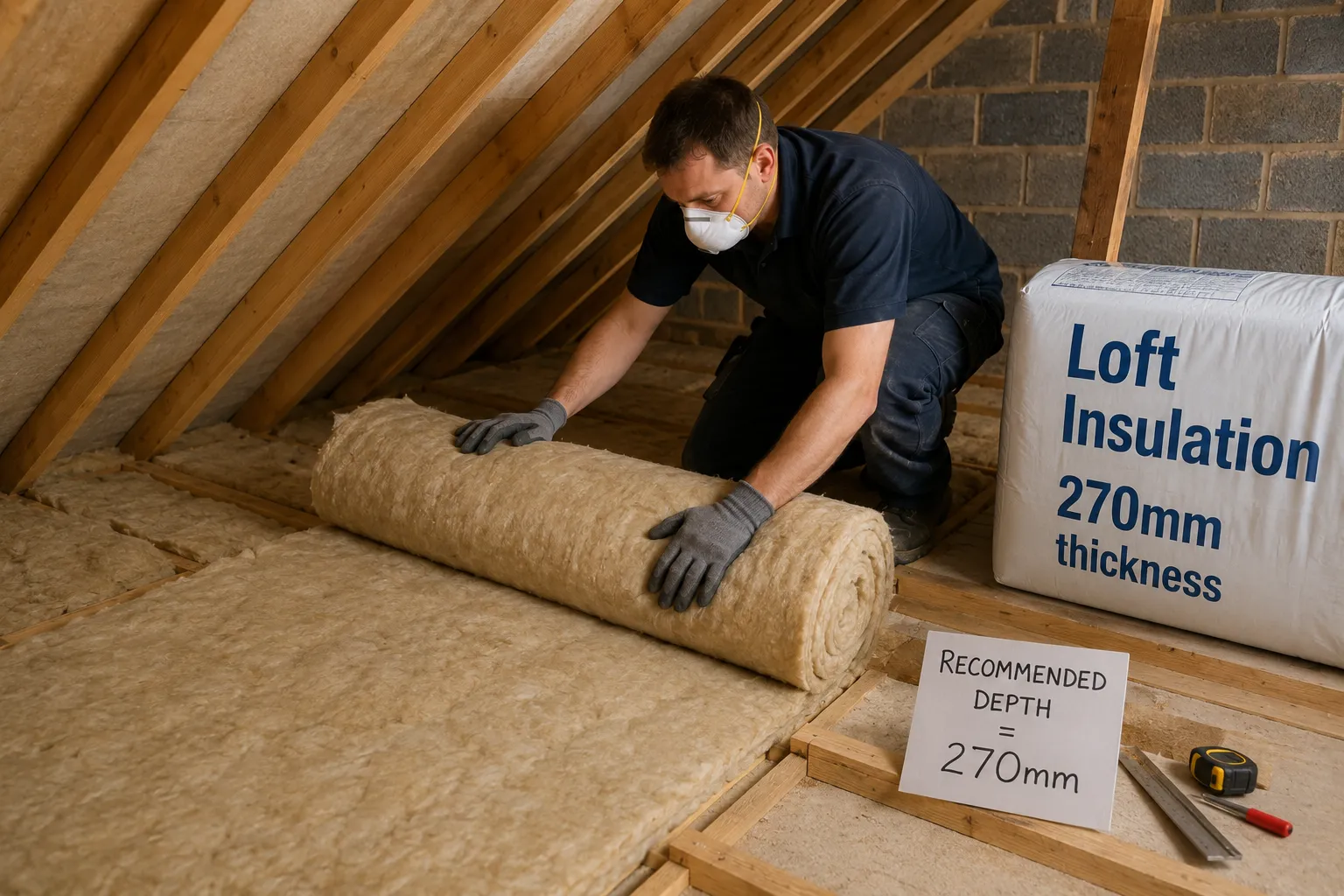
- Loft insulation
- Efficient heating controls
- Modern Photocells for Lighting
Many property owners install Photocells for Lighting to automatically control outdoor lighting, reducing unnecessary electricity consumption and improving convenience.
When paired with effective pipe insulation, these upgrades can contribute to a more energy-efficient and cost-effective property.
How to Check Your Existing Pipe Insulation
If you're unsure whether your insulation needs improvement, start with a basic inspection.
Look for:
- Exposed pipework
- Damaged insulation coverings
- Signs of condensation
- Temperature fluctuations
- Areas where insulation appears thin or incomplete
Pay particular attention to:
- Boiler rooms
- Loft spaces
- Garages
- Under-floor pipe runs
- External pipe sections
A professional assessment can help identify hidden inefficiencies that may not be immediately obvious.
The Long-Term Benefits of Better Thermal Pipe Insulation
Upgrading insulation is often one of the simplest ways to improve building efficiency.
Benefits include:
Lower Energy Bills
Less heat loss means reduced energy consumption.
Improved Comfort
Hot water stays hotter for longer and heating systems perform more effectively.
Reduced Maintenance Costs
Protection against freezing and condensation can reduce repair expenses.
Better System Performance
Boilers and heating equipment operate more efficiently.
Increased Property Efficiency
Energy-conscious upgrades are becoming increasingly important for modern properties.
Conclusion
The signs of inadequate Thermal Pipe Insulation are often easy to overlook, but the impact on comfort, efficiency, and operating costs can be significant. Rising energy bills, slow hot water delivery, condensation, uneven heating, and ageing insulation materials all suggest it may be time to evaluate your property's pipework.
Investing in effective insulation can help reduce heat loss, improve system performance, and support long-term energy savings. For property owners exploring practical energy-efficiency solutions, resources and products available through Low Energy Supermarket can help support a more efficient and comfortable building environment. Learn more about energy-saving solutions at Low Energy Supermarket.
FAQs
1. What is Thermal Pipe Insulation?
Thermal Pipe Insulation is a protective material placed around pipes to reduce heat loss, prevent freezing, and improve energy efficiency.
2. Can pipe insulation lower energy bills?
Yes. Properly insulated pipes reduce heat loss, helping heating systems operate more efficiently and lowering energy consumption.

























Sign in to leave a comment.