
Why Hair Care Deserves More Attention Today
Skincare today is loud, stronger acids, higher percentages, and faster promises dominate beauty conversations. The same trend has quietly entered the world of hair care. Consumers are constantly exposed to advertisements claiming instant hair growth, overnight repair, and miracle transformations.
But as a cosmetic pharmacist and product developer, I witnessed something deeper.
Healthy hair rarely depends on expensive treatments or viral trends. It develops through proper scalp maintenance, consistent habits, and understanding what your hair genuinely requires. During formulation projects and consumer consultations, one fact became increasingly clear. Most people do not suffer from a lack of products. They suffer from a lack of information.
Hair care should never be complicated. A simple routine based on scientific principles often delivers better long-term results than using five different products every week.
People living in Lahore face additional challenges because pollution, humidity, hard water, and seasonal weather changes continuously affect scalp health and hair quality.
Understanding practical hair care habits can help restore shine, improve texture, and support stronger strands naturally.

1. Understand Your Hair Type Before Buying Products
One of the biggest mistakes consumers make is purchasing products designed for someone else's hair.
Hair behaves differently depending on genetics, environment, styling habits, and scalp condition.
Some individuals have oily scalps and dry ends.
Others struggle with excessive dryness throughout the entire hair shaft.
Curly hair usually requires more moisture retention, while fine hair benefits from lightweight formulations.
Understanding your hair type allows you to select shampoos, conditioners, and treatments more effectively.
Choosing products without understanding your hair needs often leads to disappointment and unnecessary spending.
2. Focus on Scalp Health Instead of Hair Length
People frequently concentrate on damaged ends while ignoring the scalp.
Healthy hair starts beneath the surface.
Hair follicles depend on a balanced environment to function properly.
Excess oil, product buildup, pollution, and sweat can interfere with normal follicular activity.
As a cosmetic pharmacist, I always emphasize scalp care as the foundation of every hair routine.
Gentle cleansing removes impurities while maintaining natural oils.
Massaging the scalp during washing stimulates circulation and creates a healthier environment for growing hair.
In Lahore's climate, regular cleansing becomes even more important due to increased exposure to dust and environmental pollutants.
3. Wash Hair Correctly Rather Than Frequently
Many people believe daily shampooing automatically damages hair.
Others avoid washing altogether because they fear dryness.
Neither extreme is ideal.
Hair should be cleansed according to scalp behavior.
Individuals with oily scalps may benefit from washing every other day.
People with dry hair may require less frequent cleansing.
Use lukewarm water whenever possible.
Very hot water strips moisture from both the scalp and hair shaft.
Apply shampoo primarily to the scalp.
Allow the foam to rinse through the lengths instead of aggressively scrubbing strands.
Small changes in washing technique often create noticeable improvements.
4. Conditioner Is Not Optional for Healthy Hair
Conditioners help smooth the outer layer of hair known as the cuticle.
When the cuticle remains flat, hair appears shinier and feels softer.
Skipping conditioner can leave strands vulnerable to friction and breakage.
Apply conditioner from mid-lengths to ends.
Avoid placing heavy products directly on the scalp unless specifically recommended.
Leave the conditioner on for a few minutes before rinsing.
This simple habit supports moisture retention and improves manageability.
5. Heat Styling Should Be Reduced Whenever Possible
Hair straighteners, curling tools, and blow dryers expose hair fibers to repeated thermal stress.
Over time, heat weakens protein structures inside the strand.
Damage may appear as split ends, frizz, or loss of elasticity.
Allow hair to air dry whenever practical.
When styling tools are necessary, use moderate temperatures and protective products.
Hair responds remarkably well when given opportunities to recover from constant heat exposure.
6. Nutrition Plays an Important Role in Hair Care
Hair reflects internal health.
Deficiencies in certain nutrients may contribute to shedding and weakened strands.
Protein supports structural integrity.
Iron assists oxygen transport to follicles.
Vitamins and minerals contribute to healthy growth cycles.
Maintaining a balanced diet can improve overall hair quality.
Hydration is equally important.
Well-hydrated individuals often notice improvements in hair texture and appearance over time.
Healthy hair is influenced by what you apply externally and what you consume internally.
7. Avoid Tight Hairstyles That Stress Hair Follicles
Tightly secured ponytails and buns may seem harmless.
However, repeated tension places stress on follicles.
This type of mechanical damage may contribute to thinning along the hairline.
Choosing looser hairstyles reduces strain.
Changing hairstyles regularly also minimizes repeated pressure in the same areas.
Simple adjustments can protect hair density in the long run.
8. Hair Oils Can Support Moisture but Cannot Replace Science
Traditional oils remain popular throughout Pakistan.
Coconut oil, almond oil, and argan oil are frequently used in home routines.
These oils can help improve softness and reduce friction.
However, oils alone cannot solve underlying scalp disorders or nutritional deficiencies.
As a product developer, I encourage consumers to combine traditional practices with evidence-based hair care strategies.
Balanced routines deliver more sustainable outcomes than relying on a single ingredient.
9. Consistency Matters More Than Expensive Treatments
Many individuals abandon routines after only a few weeks.
Hair grows slowly.
Visible changes require patience.
Introducing multiple products simultaneously creates confusion.
Start with a gentle shampoo, conditioner, and scalp-friendly treatment if necessary.
Observe progress over several months.
Hair responds better to stability than constant experimentation.
Consistency remains one of the most valuable hair care principles.
Expert Insights From Our Cosmetic Formulation Experience
At Peace Skin Vestment, we believe hair care should be guided by science rather than marketing promises.
Our experience in cosmetic development has shown that maintaining scalp balance produces better outcomes than using aggressive ingredients.
Consumers often search for shortcuts.
Yet healthier hair typically develops through small, repeatable habits.
Proper cleansing, hydration, nutritional support, and environmental protection form the basis of successful routines.
Hair care should feel achievable rather than overwhelming.
Customer Testimonials About Hair Care Improvements
Sana from Lahore
"I stopped changing shampoos every month and focused on scalp care. My hair fall gradually reduced within two months."
Ahmed from Johar Town
"Using conditioner regularly transformed my dry hair. It feels softer and easier to manage now."
Areeba from DHA Lahore
"Simple hair care habits worked better than expensive salon treatments. My hair looks shinier and healthier today."
'
Why Hair Care Trends Do Not Always Deliver Results
Social media encourages consumers to expect dramatic transformations.
People often compare their hair to heavily edited images.
Real hair behaves differently.
Environmental conditions, age, genetics, and lifestyle choices all influence results.
Healthy hair is not necessarily perfectly straight or extremely thick.
Healthy hair feels resilient, retains moisture, and experiences minimal breakage.
Learning to appreciate gradual progress creates a healthier relationship with personal care routines.
Building a Simple Hair Care Routine at Home
Morning routines should focus on protecting hair from friction and pollution.
Evening routines should emphasize cleansing and hydration.
Weekly treatments can provide additional nourishment when needed.
Keep routines manageable.
Complicated schedules often become difficult to maintain.
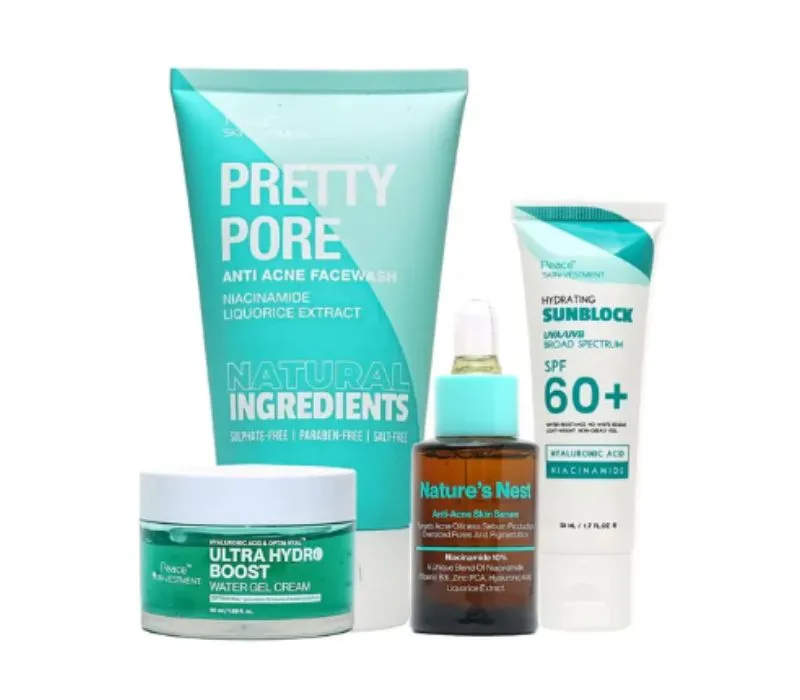
People seeking scientifically inspired solutions designed for Pakistani consumers can explore our collections and Order Now on our website to support stronger and healthier hair.
Frequently Asked Questions
What are the most important hair care tips for beginners?
Begin with a gentle shampoo, conditioner, proper scalp cleansing, and reduced heat exposure.
Why is scalp care important for healthy hair?
Hair follicles function best within a balanced scalp environment free from excessive oil and buildup.
How often should I wash my hair?
Frequency depends on scalp condition. Oily scalps may require more frequent washing, while dry scalps generally need less.
What should I avoid in my hair routine?
Avoid excessive heat styling, tight hairstyles, and constantly changing products.
How long does it take to notice hair improvements?
Visible improvements often require two to three months of consistent care.
Why is hair care important in Lahore?
Pollution, humidity, and seasonal weather changes can affect scalp balance and hair quality, making proper maintenance essential.
Final Thoughts
Hair care does not have to involve dozens of products or expensive salon visits.
Small habits practiced consistently often provide the most meaningful improvements.
Focus on scalp health, nourish your body, reduce unnecessary damage, and remain patient.
Strong, healthy hair develops gradually, and the journey becomes much easier when guided by science, consistency, and realistic expectations.






























Sign in to leave a comment.