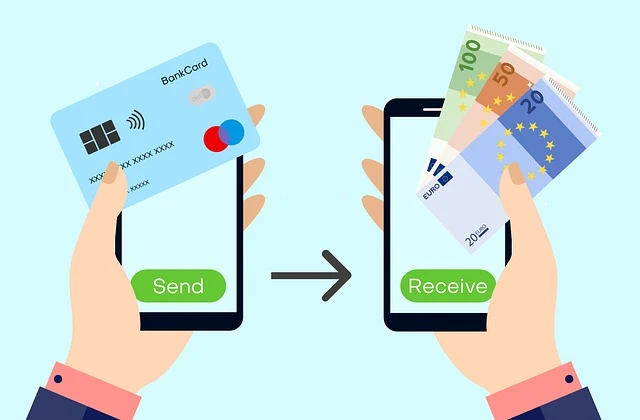

As the world becomes increasingly digitized, more and more people are turning to peer to peer lending (P2P) as an alternative to traditional investments. P2P lending platforms connect borrowers with investors, allowing individuals to lend money directly to borrowers without the need for a financial intermediary. This article will explore the pros and cons of P2P lending for investors, helping you to make an informed decision about whether this form of alternative investment is right for you.
What Is Peer to Peer Lending?
Peer to peer lending, also known as P2P lending, is a form of lending that connects borrowers with investors through online platforms. These lending platforms allow investors to fund loans for borrowers, typically with the expectation of earning a return on their investment through interest payments. There are several pros and cons of this relatively new form of alternative investment which we shall explore below.
Pros Of Peer to Peer Lending For Investors
There are several reasons to consider P2P investments for your portfolio including the following;
High Returns: One of the main benefits of P2P lending for investors is the potential for high returns. Because P2P lending platforms cut out the middleman, investors can earn higher returns than they would with traditional investments. Average annual returns are often significantly higher than the average return on traditional income producing assets such as cash savings accounts and bonds.
Diversification: Another benefit of P2P lending for investors is diversification. Because these lending platforms allow investors to fund multiple loans at once, they can spread their risk across a variety of loans and borrowers.
Diversification is important for investors because it helps to reduce risk. By spreading their investments across a variety of loans and borrowers, investors can minimize the impact of defaults on their overall portfolio.
Transparency and Control: P2P lending platforms offer investors a high level of transparency and control over their investments. Investors can choose which loans to fund, allowing them to tailor their portfolio to their risk tolerance and investment goals.
Additionally, lending platforms typically provide investors with detailed information about the loans they are funding, including the borrower’s credit score, loan amount, and interest rate. This information can help investors make informed decisions about which loans to fund.
Low Entry Barriers: Finally, P2P lending offers low entry barriers for investors. Unlike traditional investments, which often require a high minimum investment, P2P lending platforms allow investors to fund loans with as little as $25.
This low entry barrier makes P2P lending accessible to a wide range of investors, including those who may not have the capital to invest in traditional investments like stocks and bonds or other forms of alternative investments.
Cons Of Peer to Peer Lending for Investors
There are some potential drawbacks of P2P investments including;
Default Risk: One of the main drawbacks of P2P lending for investors is the risk of defaults. Borrowers who are unable to repay their loans can default, causing investors to lose their investment.
While P2P lending platforms typically conduct thorough credit checks and use algorithms to assess the risk of default, defaults can still occur. As a result, investors must be prepared to accept a certain level of risk when investing in P2P lending.
Illiquidity: Another drawback of P2P lending for investors is the lack of liquidity. Unlike traditional investments like stocks and bonds, many P2P loans cannot be sold on a secondary market.
This lack of liquidity means that investors must be prepared to hold their investments until the loan is repaid, which can take several years. If investors need access to their funds before the loan is repaid, they may be unable to sell their investment and may have to wait until the loan is repaid.
Lack of Regulation: P2P lending platforms are not regulated in the same way that traditional financial institutions are. This lack of regulation can make them riskier for investors, as there are fewer safeguards in place to protect their investments.
While some P2P lending platforms are registered with regulatory bodies, investors should be aware that they are not covered by FDIC insurance or other government-backed protections like savings accounts with banks are.
Limited Data: Because P2P lending is a relatively new form of investment, there is limited historical data available to investors. This can make it difficult for investors to assess the performance of lending platforms and make informed investment decisions.
Additionally, because P2P lending platforms are not required to disclose certain information, such as default rates, investors may not have access to all the information they need to make an informed investment decision.
Tax Implications: Finally, investors should be aware of the tax implications of investing in P2P loans. Depending on the structure of the investment, investors may be required to pay taxes on the interest income earned from their investments.
Investors should consult with a tax professional to understand the tax implications of P2P lending and to ensure that they are reporting their income correctly.
























Sign in to leave a comment.