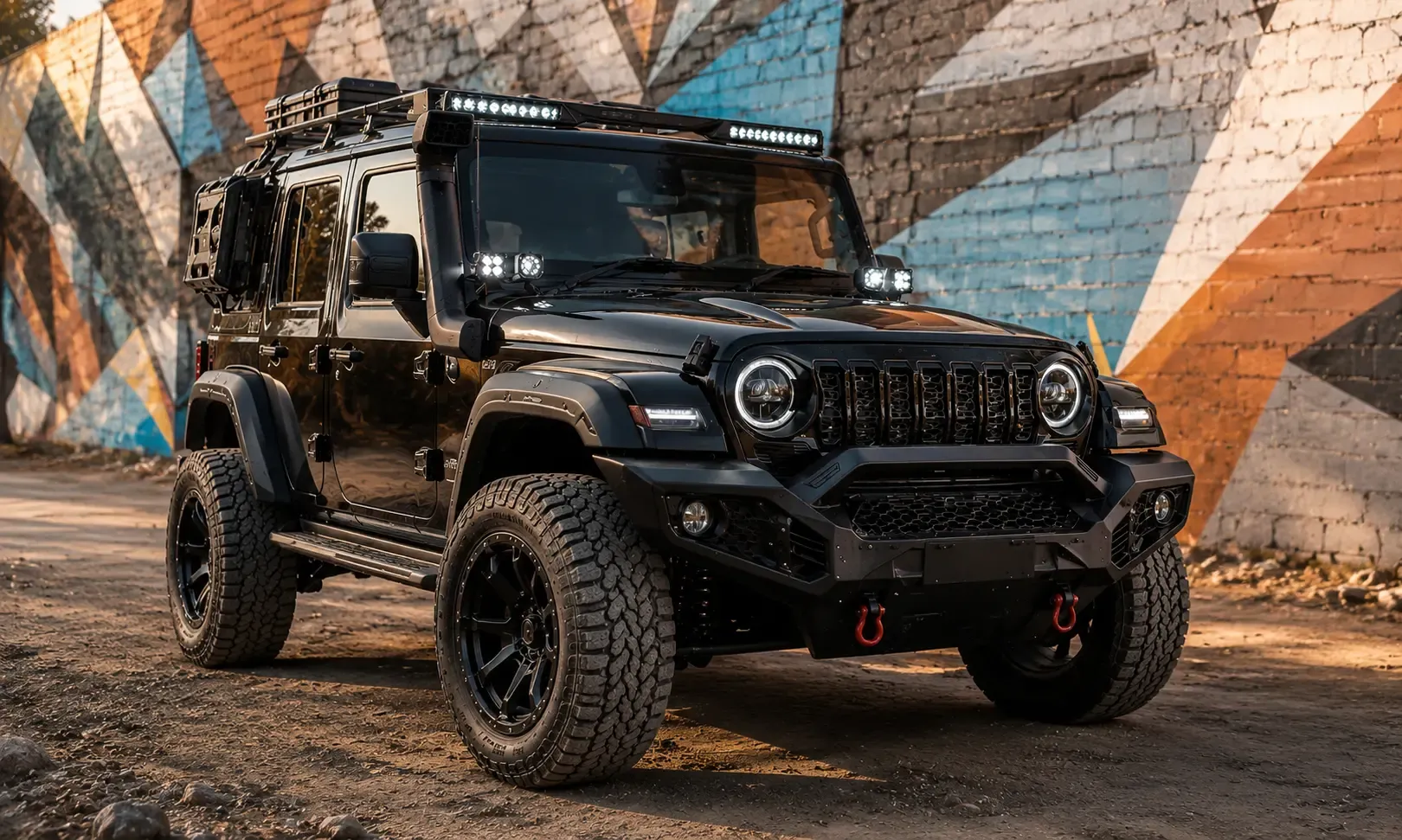

Car accessories are an easy category to get excited about, and an even easier one to get wrong. A grill that won't sit flush. An LED kit that's noticeably dimmer by month three. A universal phone holder that clearly wasn't built with this dashboard in mind. All of these are avoidable outcomes, and nearly all of them trace back to the same root cause — compatibility and quality checks that got skipped in the rush to buy something exciting. Here are nine things worth knowing before any money changes hands.
1. Figure Out Which Category the Purchase Actually Falls Into
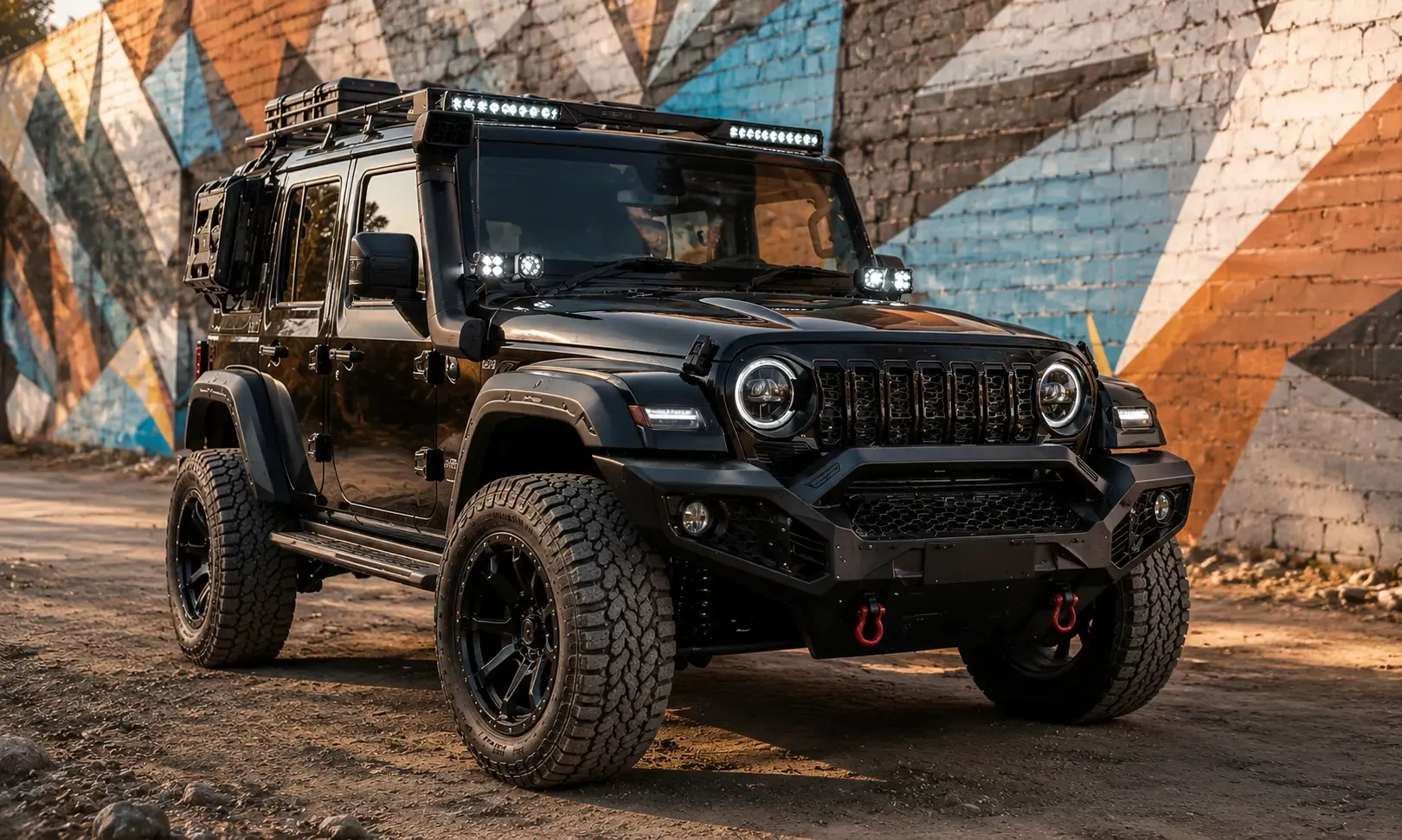
Most car accessories land in one of five buckets: exterior styling (grills, bumpers, spoilers, body kits), lighting (headlights, fog lamps, DRLs, light bars), functional or off-road gear (underbody shields, roof racks, wheel spacers), interior comfort (dashboard trays, gear knobs, ambient lighting), and small convenience items (window louvers, mobile holders). Knowing which bucket a purchase sits in early on makes it a lot easier to gauge how risky it is and how complicated installation will be.
2. Interior Accessories Are the Safest Place to Start
Anyone new to the category tends to do best starting here. Interior accessories install in minutes, leave the vehicle's structure untouched, and come off just as cleanly if preferences change down the line. A grab handle upgrade or an ambient lighting kit is a low-stakes way to get a feel for the category before spending on anything bigger.
3. Exterior Fitment Is Never Guaranteed Just Because It Looks Right
This is where most complaints come from. A front grill or bumper can look like a dead match for a specific vehicle in a product photo and still refuse to sit correctly once it arrives, because mounting points shift between facelift years more often than buyers expect — even when the visual design barely changes on the surface. Confirming the exact model, generation, and year isn't optional for exterior parts; it's the single step that prevents most fitment failures.
4. Sensor-Equipped Vehicles Need a Closer Look
Newer vehicles carrying ADAS sensors add a layer of complexity that older cars simply didn't have. A bumper or grill not designed around where those sensors sit can physically block them, quietly turning a styling purchase into a functional safety problem. Anyone with a sensor-equipped vehicle should treat sensor compatibility as its own separate check, not an afterthought.
5. Safety Accessories Deserve More Attention Than They Usually Get
Underbody shields, roll bars, and decent fog lamps tend to get filed under nice to have, even though they're doing genuinely protective work. Underbody shields guard the engine and fuel tank from impact on rough terrain. Roll bars add real structural reinforcement. Fog lamps make a measurable difference in visibility once monsoon conditions set in. For any SUV that sees off-road use, these are usually worth buying ahead of the purely cosmetic pieces, not after.
6. Electrical Accessories Carry Their Own Set of Risks
LED lighting, ambient kits, roof-mounted light bars — anything involving wiring opens the door to a different kind of regret. A loose or poorly grounded connection can drain a battery overnight, or in worse cases, trigger a short circuit that costs far more to fix than the accessory itself. Having a mechanic glance over the installation afterward, even for a kit sold as plug-and-play, is a small step that heads off a much bigger headache.
7. Premium and Budget Both Have Their Place
Premium accessories tend to use better materials, hold tighter panel gaps, and generally outlast their budget counterparts under daily wear or off-road stress. Budget accessories make sense for testing out a look before fully committing, or for anything that won't stay on the car long-term. The mistake worth watching for is going budget on parts that take heavy daily wear — side steps, bumpers — where replacing them twice can end up costing more than buying premium the first time.
8. Universal Fit Still Needs Checking, Not Assuming
A product labeled universal still has real, physical mounting dimensions that have to line up with the vehicle in question. A universal mobile holder or light bar bracket that doesn't account for a particular dashboard shape or roofline can still turn out to be a poor fit in practice. Checking actual measurements, instead of trusting the label at face value, avoids one of the more common reasons for returns.
9. Documentation Ends Up Mattering More Than Expected
Keeping the invoice, product photos, and any messages exchanged with the seller rarely feels important until a warranty claim comes up — and by then, it's too late to go back and collect it. Confirming the seller's return or replacement policy before paying, rather than after something goes wrong, is a habit worth building early.
A Quick Reference Checklist
- Exact model, generation, and year confirmed
- Sensor compatibility checked for exterior parts
- Real fitment photos requested from the seller
- Material and build quality clearly specified
- Installation method understood in advance
- Return policy confirmed before payment
Frequently Asked Questions
Q : What's the single most common accessory-buying mistake?
A : Ordering an exterior part without confirming the exact variant year comes up more than anything else, mostly because fitment differences between facelift years aren't always obvious from product photos.
Q : Is it worth paying more for premium accessories?
A : For anything seeing daily wear or long-term use, generally yes — the material and finish differences tend to justify the higher cost over time. For accessories still being tested as a look, budget options are a reasonable middle ground.
Q : Can LED accessories be installed without professional help?
A : Simple plug-and-play kits are often fine to self-install, though a post-installation check by a mechanic is still worth doing to rule out wiring issues that aren't obvious at first glance.
Q : How can a buyer confirm a seller's fitment claims before ordering?
A : Asking for photos or video of the exact product mounted on the same model and variant tells far more than a studio render or a generic marketing image ever will.
Final Thoughts
Most accessory-buying regrets come down to one of a small handful of avoidable slip-ups — a skipped compatibility check, an unverified universal claim, or a decision made on price rather than quality. Working through the category with a bit of structure, starting with lower-risk interior purchases and applying proper checks to anything exterior or electrical, tends to make the whole experience go a lot more smoothly. A current range of options across these categories can be found at Car Accessories for anyone ready to compare specific products against their vehicle's exact specifications.
























Sign in to leave a comment.