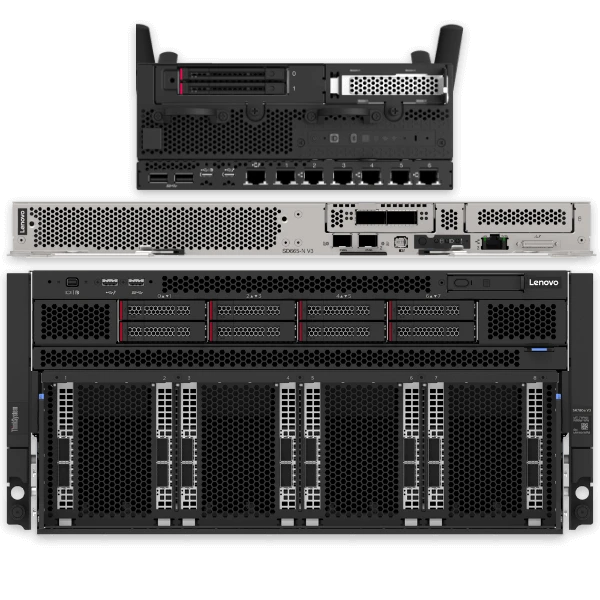

Modern data centers serve as the beating heart of our global society. Every click you make and every video you stream relies on these massive hubs of power. They house thousands of physical machines working together to keep the internet alive. These facilities never sleep, and they handle a massive variety of tasks every second. You might wonder what exactly happens inside those humming rows of metal racks. They do much more than just store your old photos or emails. These servers manage complex calculations that shape our daily lives and business choices.
Understanding these workloads helps us appreciate the invisible force driving our modern economy forward. We often take for granted how fast our apps load or how smart our devices feel.
1. Housing the Cloud
Cloud computing is the foundation of most modern internet services. Companies do not want to buy and maintain their own hardware anymore. They rent space and power from massive providers instead. This is where servers run special software to split one physical machine into many smaller virtual ones, allowing businesses to deploy applications and services quickly without managing their own infrastructure. It keeps costs low and allows for fast growth when demand spikes.
Moving from shared space, we see how servers must also store our vast amounts of data.
2. Safeguarding Your Digital Life
Storage is a primary job for any modern data center setup. They also hold every document, video, and song you have ever saved online. They use clever tricks to make sure your data stays safe even if a drive fails. This workload involves moving huge files across the network at lightning speeds. Data centers ensure your files stay available from any device at any time.
Once the data is safe, we need ways to organize and search through it quickly.
3. Organizing the World of Information
Database management is a heavy-lifting task for server hardware. These machines index billions of rows of information so you can find results instantly. They handle banking transactions and inventory lists, and customer profiles with total accuracy.
Keeping Records Straight
High-speed memory helps them process thousands of requests every single second. This ensures that two people cannot buy the last seat on a plane at the same time. Reliability is the main goal here because a small error can cause massive financial loss.
Reliable data leads us directly into the world of smart machines and learning.
4. Teaching Machines to Think
Artificial intelligence training is the most demanding workload in modern facilities today. Servers use powerful graphics chips to crunch numbers for neural networks. They look at millions of examples to learn how to recognize faces or translate languages. This process requires massive amounts of electricity and generates intense heat. Data centers must use advanced cooling to keep these AI workers running smoothly.
Smart machines help us build better software, which leads to our next important workload.
5. Building and Testing New Apps
Software developers utilize these tools to develop their code and conduct testing before delivering it to you. The machines perform automated testing to detect bugs and security vulnerabilities. The company develops a sandbox environment that enables new features to operate without disrupting the main website. The system enables businesses to perform multiple app updates throughout each day while maintaining continuous operation.
Efficient building leads to a need for fast delivery to users across the globe.
6. Streaming Content Without the Wait
Content delivery networks make sure your Netflix show starts without a spinning circle. They place servers in locations close to where you actually live. This reduces the distance the data must travel across the ocean or the country. These workloads involve sending high-quality video streams to millions of people simultaneously.
Fast streaming is great, but it only matters if the connection remains secure from threats.
7. Shielding the Network from Attacks
Security workloads act as a digital shield for everything inside the data center. Specialized servers scan incoming traffic for viruses and malicious hacking attempts. They act like a smart gatekeeper that only lets the right people inside the network. These machines must work fast so they do not slow down your internet speed.
8. Connecting People Through Collaboration
Remote work relies on servers that manage video calls and shared digital whiteboards. These machines sync changes to a document in real time as different people type. They handle the audio and video signals to keep the conversation clear and smooth. This workload has become essential for the modern global workforce to stay productive.
Collaboration tools often use small pieces of code called microservices to stay flexible.
9. Managing Tiny Pieces of Logic
Many modern apps exist as hundreds of tiny separate parts called microservices. They also manage these small tasks and help them talk to each other perfectly. One service might handle your login while another handles your shopping cart. This modular design makes it easy for engineers to fix one part without touching the rest.
Conclusion
The scale of work happening inside a data center is truly breathtaking. These nine workloads represent the core pillars of our digital existence today. From simple storage to complex AI training, these machines handle it all. They allow us to stay connected, informed, and entertained around the clock. Every time you use an app, you are tapping into this incredible power. As technology evolves these workloads will only become faster and more integrated. We live in an era where the server is the true engine of progress.

















Sign in to leave a comment.