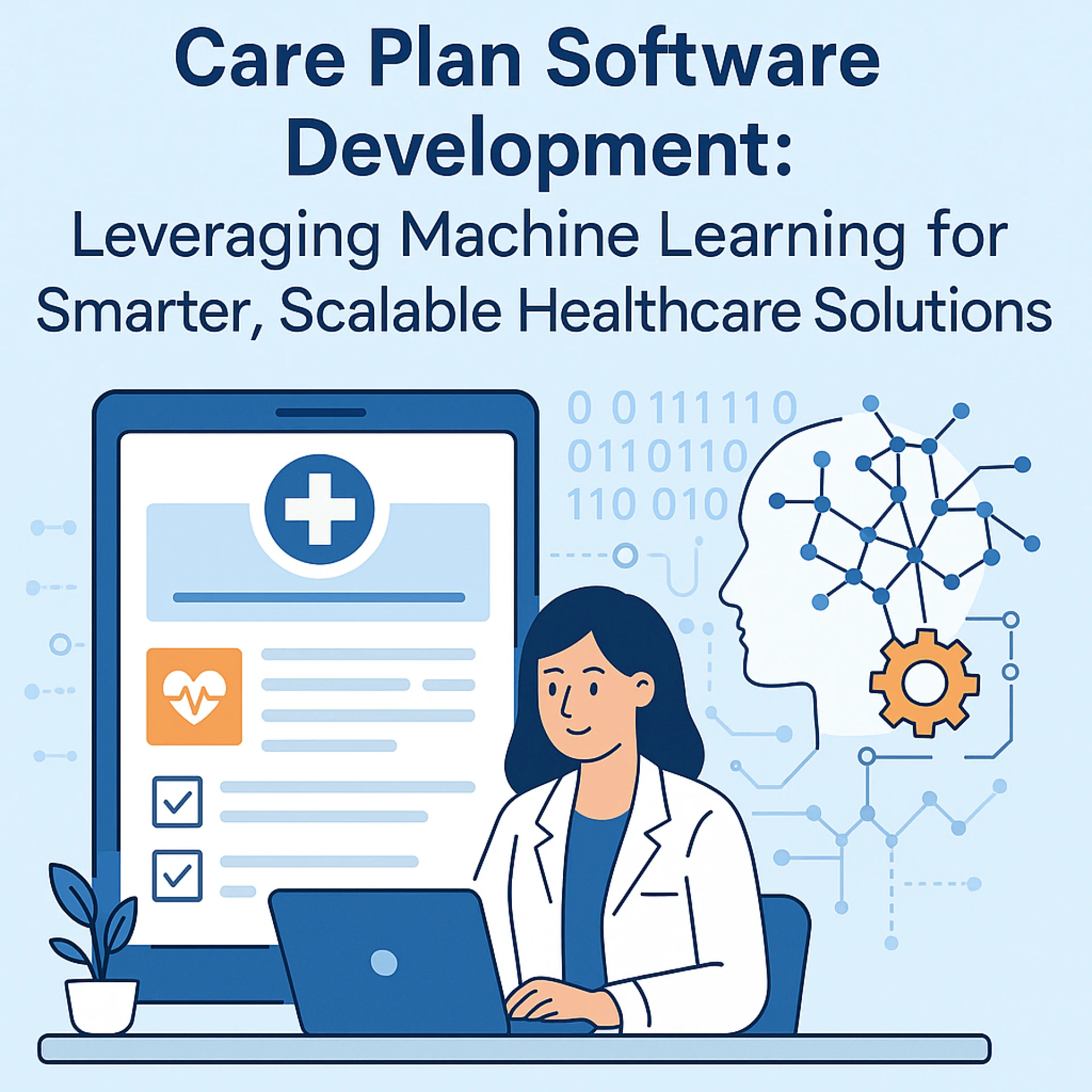

In today’s healthcare ecosystem, where patient experience, operational efficiency, and compliance are top priorities, Care Plan Software Development has become more than a trend—it's a necessity. Enterprises across the healthcare industry are under pressure to deliver personalized care, manage vast amounts of patient data, and maintain consistent communication among care teams. Traditional systems and paper-based workflows no longer meet these demands.
Instead, organizations are turning to intelligent care planning systems that not only improve patient outcomes but also offer a significant competitive edge. From artificial intelligence to real-time data tracking, care plan software is helping healthcare providers achieve greater control, accuracy, and responsiveness.
Let’s explore why this technology is rapidly becoming a critical asset for healthcare enterprises, and how it's helping shape the future of care delivery.
What is Care Plan Software Development?
At its core, care plan software is a digital tool that allows healthcare providers to create, manage, and monitor individualized patient care plans. It brings clarity, structure, and accountability to every aspect of patient management. However, when you go beyond the surface and invest in custom care plan software development, the impact multiplies.
These advanced solutions often include:
· Centralized patient records
· Real-time alerts and notifications
· Progress tracking and goal management
· Integration with EHR systems and third-party platforms
· AI-driven care suggestions and reporting
By digitizing and automating care coordination, organizations can respond faster, personalize interventions, and ensure nothing falls through the cracks.
Why Enterprises Need Custom Solutions
Generic software may provide short-term relief, but it's rarely designed for the scale, complexity, and regulatory requirements of enterprise healthcare systems. A customized care plan platform enables healthcare organizations to address specific workflows, security needs, and integration challenges.
Here’s how:
1. Improved Care Coordination
Enterprise healthcare systems typically involve multiple providers, departments, and specialists working together. A unified digital platform allows for centralized care plans that can be accessed and updated by any authorized stakeholder in real time. This ensures transparency, minimizes duplication of efforts, and leads to better patient outcomes.
2. Personalized Treatment Planning
Today’s patients expect care that is tailored to their individual conditions, history, and goals. With AI and machine learning, care plan software can analyze vast data sets—such as lab results, diagnostic histories, and even social determinants of health—to recommend more personalized treatment pathways.
3. Boosted Patient Engagement
Engagement tools like mobile apps, patient portals, and automated check-ins give patients more visibility into their own progress. When patients feel informed and involved, they are more likely to stick to care plans and participate actively in their recovery or wellness journey.
Tackling Healthcare’s Most Pressing Challenges
The healthcare industry faces several long-standing issues, many of which can be addressed through intelligent care plan platforms. Here’s how:
Fragmented Communication
Disjointed communication among departments or external providers can lead to errors, delays, and patient dissatisfaction. Digital care plans act as a single source of truth, ensuring that every care team member has access to the same real-time data and instructions.
Administrative Overload
Healthcare professionals spend an inordinate amount of time on documentation, scheduling, and compliance-related tasks. Automation features built into care plan software alleviate much of this burden, allowing staff to spend more time with patients and less time on paperwork.
This ties closely to innovations like RPA in the healthcare industry, which streamlines back-office functions such as billing, claims processing, and document management.
Regulatory Compliance
Compliance with standards like HIPAA, GDPR, and other regional data protection laws is mandatory. A custom-developed care plan solution can enforce data access controls, automate audit logs, and ensure that data is stored and transmitted securely.
Integration with Broader Healthcare Ecosystems
To maximize the value of care plan software, seamless integration with other healthcare platforms is essential. Whether it’s a hospital information system, billing module, or remote patient monitoring tool, interoperability allows healthcare enterprises to function as cohesive units.
For example, integrating with an existing EHR or CRM system ensures that patient data is not siloed. In fact, many organizations begin their transformation by investing in Healthcare CRM Software Development to manage the broader patient lifecycle—from onboarding to post-treatment follow-ups.
Integration also enables real-time decision support. For instance, if a patient’s lab results indicate worsening vitals, the care plan software can automatically alert the care team and adjust the treatment protocol accordingly.
Leveraging Emerging Technologies
The next generation of care planning software goes beyond basic data management. It actively supports clinical decisions and process optimization through cutting-edge technologies:
Artificial Intelligence
AI can detect patterns in patient data, flag at-risk individuals, and recommend interventions based on historical outcomes. Predictive modelling can help healthcare providers anticipate complications before they arise, allowing for proactive care.
Machine Learning
By continuously learning from patient outcomes and interactions, ML algorithms can refine treatment recommendations, reduce readmission rates, and improve resource allocation over time.
Cloud Computing
Cloud-based infrastructure offers flexibility and scalability. Healthcare enterprises can store large volumes of data, enable remote access for providers, and deploy updates across multiple locations instantly.
IoT and Wearables
When integrated with smart devices and sensors, care plan software can monitor patient vitals in real time. For example, a wearable device tracking heart rate can trigger alerts if it detects irregularities, updating the care plan accordingly.
Scalability for Growing Healthcare Enterprises
A key advantage of custom care plan platforms is their adaptability. Whether an organization is expanding into new geographic markets or adding new specialties, the software can scale to meet evolving demands.
This is particularly valuable for enterprise systems working with a healthcare software development company that understands the complexities of regulatory frameworks, integration protocols, and multi-location deployments.
Scalable software solutions support:
· Multi-language and multi-currency support for global healthcare providers
· Advanced user role configurations for large teams
· Custom reporting dashboards tailored to executive, clinical, and operational stakeholders
Security and Data Privacy
Given the sensitivity of health data, security must be embedded into the core of any care planning platform. Features like two-factor authentication, data encryption, and user access controls help maintain trust and prevent breaches.
Some providers are also exploring blockchain-based technologies to ensure data immutability and traceability. This can be particularly useful when sharing patient records across institutions or jurisdictions.
Working with an experienced EHR/EMR software development company ensures the system adheres to best practices for data integrity, accessibility, and compliance.
The Business Case for Care Plan Software
While the clinical benefits are substantial, the business case for investing in custom care plan platforms is equally compelling:
- Reduced Readmissions: Personalized, monitored care plans reduce the likelihood of avoidable hospital readmissions.
- Higher Patient Satisfaction: Transparency, ease of access, and engagement tools lead to better patient experiences.
- Lower Operational Costs: Automation reduces manual errors and administrative overhead.
- Data-Driven Decision-Making: Real-time insights support better forecasting, budgeting, and resource planning.
In the long run, these improvements directly translate into increased revenue, stronger brand reputation, and improved outcomes across the board.
Final Thoughts
In an era of personalized medicine, real-time data, and patient-centric care, Care Plan Software Development is no longer optional—it's a strategic advantage. For enterprise healthcare providers, the benefits go beyond operational improvements. From better clinical outcomes and compliance assurance to increased scalability and profitability, intelligent care planning solutions are changing how care is delivered.
Whether you're managing a large hospital network, a multi-specialty clinic, or a healthcare SaaS platform, investing in modern care plan software will position your organization for long-term success in a highly competitive landscape.
For more information about care Plan software development Schedule a Call!


















Sign in to leave a comment.