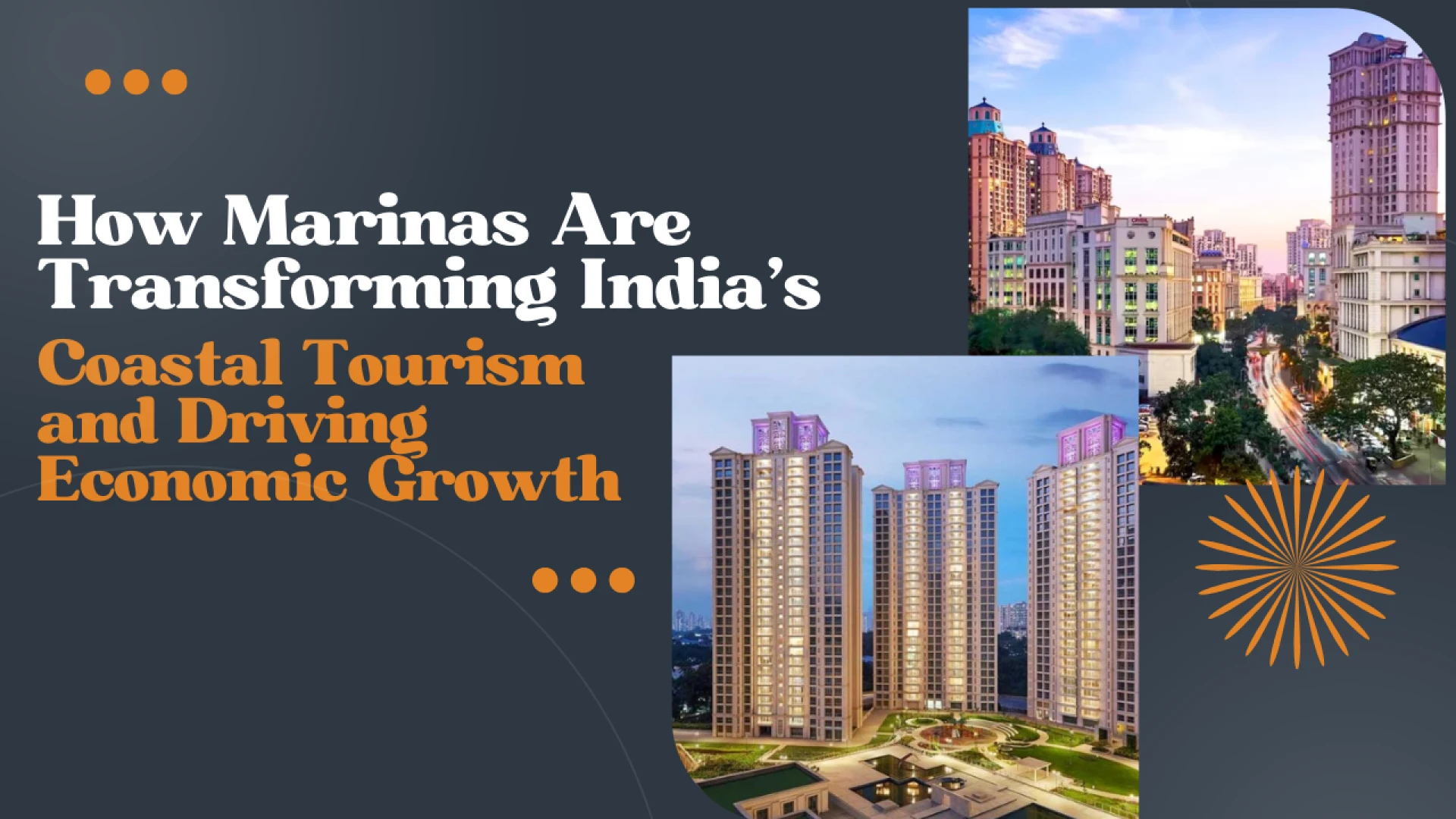

Mumbai’s connection with the sea has always shaped its identity. Yet, for decades, the city’s coastline, a prime urban asset, remained largely untapped. The Centre’s approval of the ₹887 crore Mumbai Marina project marks a pivotal moment in how India approaches coastal tourism. No longer a secondary activity, coastal tourism is now emerging as a key driver of economic growth.
The Mumbai Marina is not just infrastructure; it represents a strategic blueprint that combines public investment with private participation, a model that has transformed global cities into world-class maritime destinations.
Mumbai Marina: Elevating the City on the Global Maritime Map
Spanning nearly 12 hectares of water and designed to berth over 400 yachts, the Mumbai Marina aligns with international standards of maritime tourism. A useful comparison is Dubai, where waterfront and marina-led development have elevated the city’s global profile while attracting high-value tourism.
Mumbai has historically been India’s gateway to the world. With strategic planning and top-tier infrastructure, the marina positions the city to attract international yacht and cruise traffic, along with experiential travellers, further strengthening India’s presence in global maritime tourism.
Coastal Tourism as a Multiplier for Economic Growth
The true strength of coastal tourism lies in its ripple effect across industries. Every investment in maritime infrastructure drives growth in hospitality, retail, transport, logistics, and urban services. The Mumbai Marina alone is projected to generate over 2,000 jobs in marine operations, cruise services, hospitality, and allied sectors.
Additionally, it boosts the consumption economy by encouraging longer tourist stays, higher discretionary spending, and repeat visits. Projects like this highlight the untapped potential of Mumbai’s coastline, demonstrating how maritime infrastructure can serve as a broader economic catalyst.
Tourism-Led Real Estate: Shifting from Space to Experience
Around the world, tourism-driven real estate has emerged as one of the most aspirational and profitable asset classes. Waterfront developments now redefine how cities are experienced, focusing on lifestyle, leisure, and accessibility rather than just physical space.
In Mumbai, Bandra Bay serves as a prime example of this transformation, evolving into a premium waterfront real estate destination. Marina-led developments provide a framework for creating vibrant urban ecosystems where lifestyle, destination value, and economic activity converge.
Coastal Connectivity and the Potential of Strategic Corridors
Mumbai’s waterfront development will also impact surrounding coastal areas. Places like Alibaug, already seeing organised development, stand to gain significantly. Improved RoRo (roll-on/roll-off) connectivity between Mumbai and Alibaug can streamline tourism, logistics, and residential growth, forming a seamless coastal corridor.
This enhanced accessibility raises land values, encourages sustainable development, and unlocks the full potential of India’s coastal tourism sector.
Public Access, Private Investment, and Sustainable Employment
One of the Mumbai Marina project’s key principles is public accessibility. By opening up waterfronts for citizen use, maritime infrastructure can enrich urban life while supporting sustainable development.
The project is also expected to attract private investment, establish world-class facilities, and generate employment cornerstones of a modern, resilient city.
Mumbai’s Coastline: The Next Frontier for Economic Growth
Mumbai’s future growth cannot rely solely on commercial hubs or vertical expansion. The city’s coastline offers an equally significant economic frontier. By leveraging maritime tourism, experience-focused real estate, and integrated coastal planning, Mumbai can unlock sustainable economic opportunities.
Coastal tourism drives real estate, increases consumption, creates employment, and enhances the city’s global status. With strategic investments in waterfront development and maritime infrastructure, Mumbai is poised to emerge as a leading global maritime tourism destination.
FAQs
1. How will the Mumbai Marina project boost India’s coastal tourism?
By combining public and private investment, the marina is expected to attract international yachts, cruises, and high-value tourism, while generating jobs and boosting the local economy.
2. What are the economic benefits of coastal tourism beyond leisure activities?
Coastal tourism stimulates multiple sectors, including hospitality, retail, transport, and logistics. It also increases tourist spending, encourages repeat visits, and strengthens the consumption economy.
3. Why is tourism-driven real estate important for marina developments?
Tourism-led real estate focuses on lifestyle, accessibility, and destination value, creating vibrant urban ecosystems that go beyond traditional real estate models.
4. How will enhanced coastal connectivity benefit Mumbai and nearby areas?
Improved connectivity, such as RoRo services, facilitates tourism, logistics, and residential growth, boosting land value and enabling sustainable coastal development.
5. Why is Mumbai’s coastline considered a strategic economic asset?
Mumbai’s coastline has untapped potential for maritime tourism, waterfront real estate, and integrated urban planning, all of which can create jobs, boost consumption, and strengthen the city’s global relevance.



























Sign in to leave a comment.