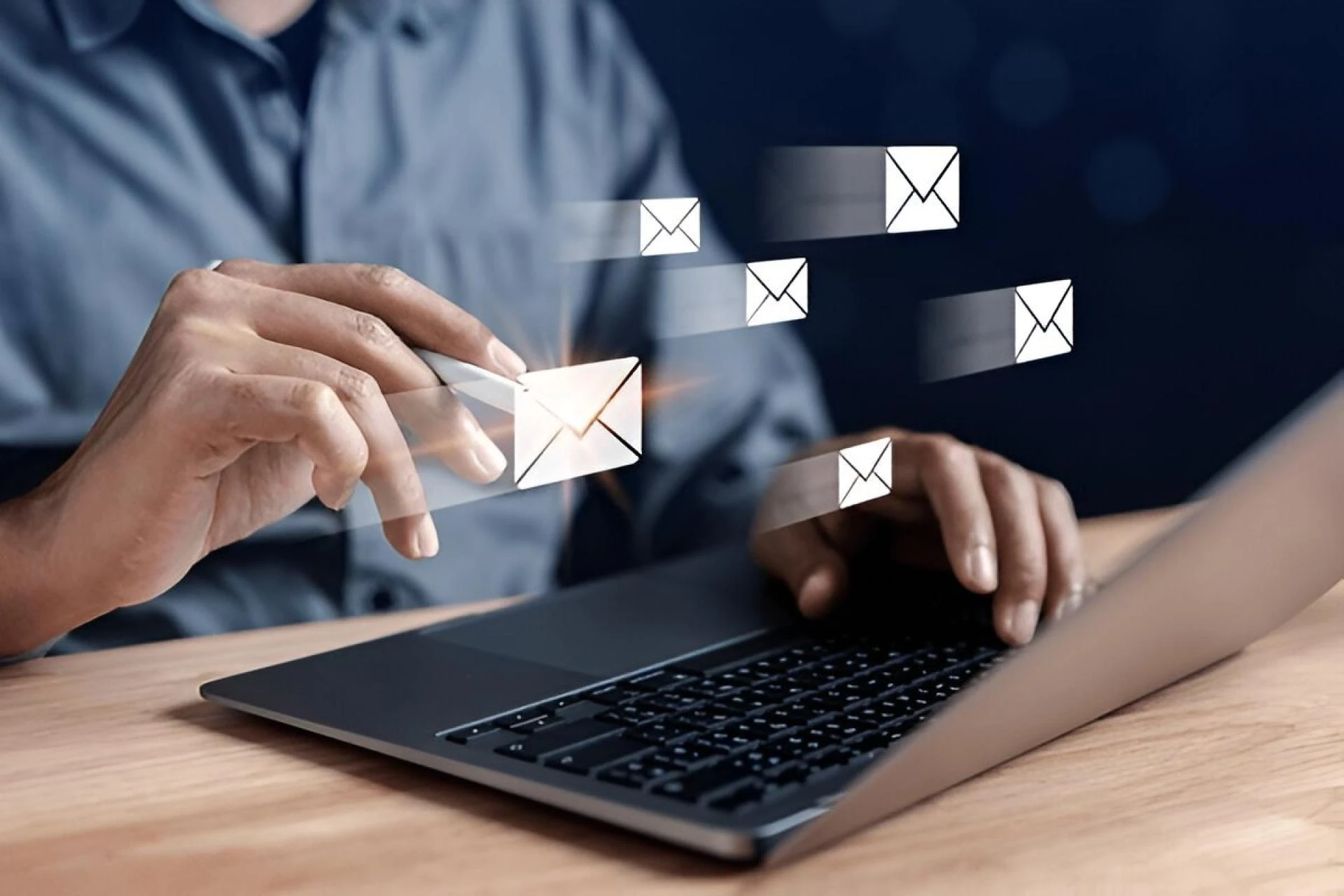

Email marketing remains one of the most effective tools for customer retention. While acquiring new customers is important, keeping existing customers engaged ensures long-term business success. With strategic email campaigns, businesses can build strong relationships, increase brand loyalty, and drive repeat sales.
In this article, we will explore the best ways to retain customers using email marketing
1. Personalized Emails for Better Engagement
Personalization is the key to effective email marketing. Customers appreciate messages tailored to their interests, preferences, and past interactions with your business.
Strategies:
- Use Customer Names: Emails addressing customers by name feel more personal.
- Segment Your Audience: Categorize subscribers based on purchase history, demographics, or engagement levels.
- Behavior-Based Emails: Send personalized emails based on customer actions, such as abandoned cart reminders or product recommendations.
Why It Matters:
Personalized emails lead to higher open rates, increased engagement, and stronger relationships with customers.
2. Welcome Emails to Build a Strong First Impression
A well-crafted welcome email sets the tone for a lasting relationship with your customers.
Key Elements:
- Warm Greeting: Thank the customer for subscribing or making a purchase.
- Brand Introduction: Highlight your company’s values, mission, and what customers can expect from your emails.
- Special Offers: Include a discount or freebie to encourage their first purchase.
- Clear Call-to-Action (CTA): Guide them to explore your website or social media channels.
Why It Matters:
A good welcome email makes a strong first impression and boosts customer engagement.
3. Loyalty and Reward Programs
Rewarding your loyal customers with exclusive perks encourages them to keep engaging with your brand.
Strategies:
- Points-Based System: Offer points for purchases, referrals, or engagement.
- Exclusive Discounts: Provide special offers to long-term subscribers.
- Early Access: Give VIP customers early access to new products or sales.
- Birthday and Anniversary Emails: Send personalized offers to make customers feel valued.
Why It Matters:
Loyalty programs strengthen customer retention and increase repeat purchases.
4. Educational and Informative Content
Emails should provide value beyond just sales promotions. Informative content keeps customers engaged and strengthens brand authority.
Examples:
- How-To Guides: Tutorials on using your products effectively.
- Industry Insights: Share news, trends, and expert advice.
- Customer Success Stories: Showcase testimonials or case studies.
- Tips and Tricks: Provide useful advice relevant to your audience.
Why It Matters:
Educational content fosters trust and keeps customers engaged with your brand.
5. Re-Engagement Campaigns for Inactive Customers
Not all customers remain active. Re-engagement emails help bring back inactive subscribers.
Strategies:
- Reminder Emails: Gently remind customers about your brand.
- Exclusive Offers: Provide incentives like discounts or free shipping.
- Feedback Requests: Ask why they stopped engaging and how you can improve.
- Win-Back Series: Use a sequence of emails to reignite interest.
Why It Matters:
Re-engaging inactive customers is more cost-effective than acquiring new ones.
6. Transactional Emails That Add Value
Transactional emails, such as order confirmations and shipping updates, are often overlooked opportunities for engagement.
Strategies:
- Personalized Thank-You Notes: Express appreciation for purchases.
- Product Recommendations: Suggest complementary items.
- Referral Incentives: Encourage customers to refer friends.
- Post-Purchase Care: Offer tips on using the purchased product.
Why It Matters:
Transactional emails have high open rates and can enhance customer experience.
7. Exclusive Deals and Time-Sensitive Offers
Creating urgency through exclusive deals encourages repeat purchases.
Strategies:
- Flash Sales: Limited-time discounts create urgency.
- Member-Only Deals: Reward loyal subscribers with exclusive offers.
- Early Access Sales: Give VIP customers a head start on promotions.
- Countdown Timers: Add a timer to increase the sense of urgency.
Why It Matters:
Urgency-driven emails boost conversions and keep customers engaged.
8. Surveys and Feedback Requests
Listening to customer feedback improves your email marketing strategy and strengthens relationships.
Strategies:
- Post-Purchase Surveys: Ask customers about their shopping experience.
- Net Promoter Score (NPS): Measure customer satisfaction.
- Feature Requests: Gather insights on what customers want.
- Incentives for Feedback: Offer discounts or freebies for participation.
Why It Matters:
Understanding customer preferences helps tailor better marketing campaigns.
9. Optimizing Email Timing and Frequency
Sending emails at the right time maximizes open and engagement rates.
Best Practices:
- Test Sending Times: Experiment with different schedules to find the optimal time.
- Avoid Overloading Customers: Too many emails can lead to unsubscribes.
- Use Analytics: Monitor open rates, click-through rates, and engagement.
- Allow Email Preferences: Let customers choose how often they receive emails.
Why It Matters:
Well-timed emails enhance effectiveness and prevent email fatigue.
10. Mobile-Friendly Email Design
Since most users check emails on mobile devices, responsive design is crucial.
Strategies:
- Responsive Layouts: Ensure emails display correctly on all devices.
- Short and Clear Content: Keep text concise and engaging.
- Optimized Images: Use compressed images for faster loading.
- Clickable CTAs: Ensure buttons are easy to tap on mobile screens.
Why It Matters:
A mobile-optimized email enhances user experience and improves conversion rates.
Conclusion
Email marketing is a powerful tool for retaining customers and driving long-term engagement. By personalizing emails, offering exclusive deals, providing educational content, and optimizing timing, businesses can build lasting relationships with their audience.
Implementing these strategies ensures customers stay engaged, satisfied, and loyal to your brand, ultimately leading to increased revenue and business growth.


















Sign in to leave a comment.