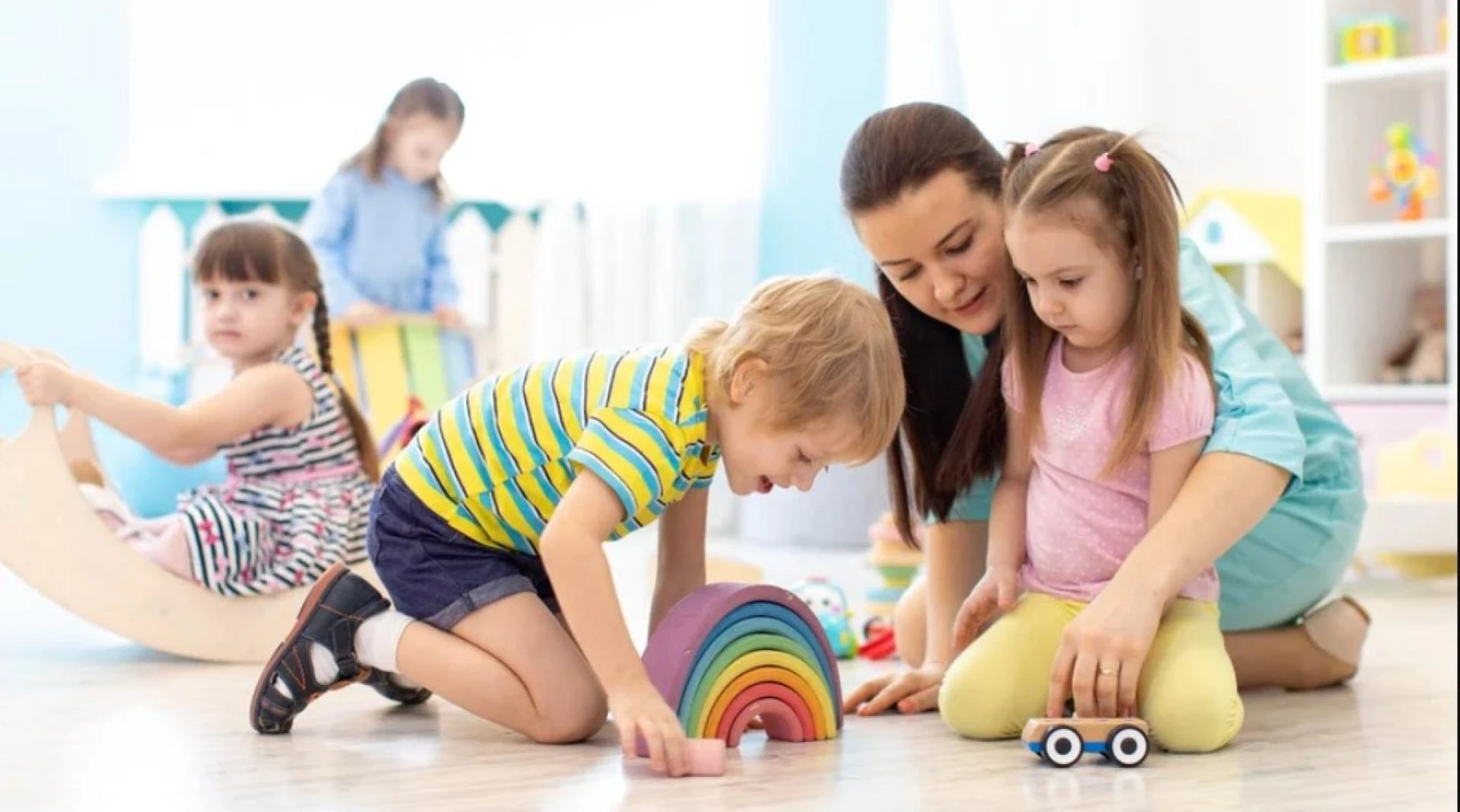

Ensuring the safety of a child is the most crucial responsibility for any babysitter. Beyond providing care and entertainment, babysitters must also address potential hazards to ensure the home environment is as safe as possible. A comprehensive home safety assessment not only minimizes risks but also builds trust with the parents, showcasing the babysitter's professionalism and dedication.
Understanding the Importance of Home Safety
According to statistics, most child-related accidents occur at home, emphasizing the need for proactive safety measures. From falls and burns to choking and poisoning, everyday household items can pose risks. Babysitters, being temporary caregivers, must equip themselves with the knowledge and skills to identify and mitigate these risks effectively.
The Step-by-Step Room-by-Room Safety Check
Every corner of a home has unique hazards. Conducting a room-by-room inspection ensures no detail is overlooked
1. Living Room Safety
The living room often doubles as a play area, making it essential to childproof this space.
- Secure Heavy Furniture: Anchor bookshelves, televisions, and cabinets to the wall to prevent tipping accidents.
- Remove Small Objects: Coins, buttons, and other tiny items should be kept out of reach to avoid choking hazards.
- Electrical Safety: Cover outlets with safety plugs and bundle cords to prevent tripping or pulling incidents.
2. Kitchen Precautions
The kitchen is one of the most hazardous areas in a home.
- Lock Away Sharp Objects: Store knives, scissors, and other sharp tools in child-proof drawers.
- Chemical Safety: Keep cleaning agents, dishwashing pods, and other chemicals in locked cabinets.
- Stove and Oven Safety: Use knob covers and avoid leaving hot utensils or food near the edge of counters.
3. Bathroom Hazards
Bathrooms are small but hold numerous dangers.
- Store Medications Safely: Medications and toiletries should be locked or stored high out of a child's reach.
- Water Safety: Always drain bathtubs and buckets immediately after use. Use anti-slip mats to prevent falls.
- Hair Dryers and Appliances: Unplug and store away all electrical appliances after use.
4. Bedroom Safety
Bedrooms should be comforting and safe spaces for children.
- Crib Safety: Ensure cribs meet current safety standards, with no loose or dangling objects that could pose choking or strangulation risks.
- Toy Organization: Store toys in bins or shelves to prevent tripping or clutter-related accidents.
- Blind Cords: Shorten or tie up cords from blinds to eliminate strangulation hazards.
5. Outdoor Spaces
For homes with outdoor areas, safety precautions are equally important.
- Fence Inspection: Ensure gates are locked and fences are sturdy.
- Pool Safety: Pools should be covered or gated to prevent accidental falls.
- Play Equipment: Check swings, slides, and other equipment for wear and tear or loose parts.
Emergency Preparedness: A Critical Skill
Knowing how to act during emergencies is a hallmark of a responsible babysitter. Preparation involves:
- Locating Key Items: Identify where the first aid kit, fire extinguisher, and emergency exits are.
- Emergency Contacts: Keep a list of contact numbers, including parents, neighbors, and emergency services.
- CPR and First Aid: Consider formal training to gain confidence in handling accidents or medical issues.
Communication with Parents
Open communication with parents is essential for a babysitter’s role. Before starting, ask:
- Are there specific areas the child should avoid?
- What safety measures are already in place?
- Does the child have allergies or medical conditions that require special attention?
By discussing these topics, babysitters can tailor their safety approach to the child’s needs and the household’s specific setup.
Building Your Knowledge Through Training
Babysitters who invest in professional training stand out in the competitive caregiving field. Formal education not only boosts confidence but also equips babysitters with advanced safety strategies. Programs like a babysitting course uk offer comprehensive insights into child safety, behavior management, and emergency preparedness.
Establishing a Proactive Safety Routine
Safety is not a one-time task. Continuous vigilance is required, especially in homes with active and curious children. Babysitters should:
- Reassess safety measures during every visit.
- Stay updated on new safety products, such as baby gates or outlet covers.
- Communicate any observed risks or hazards to the parents.
Additional Tips for Babysitters
- Stay Attentive: Avoid distractions like mobile phones while supervising children.
- Use Child Safety Devices: Utilize baby monitors, safety gates, and corner protectors to enhance protection.
- Encourage Safe Play: Teach children about safe behaviors, such as not running indoors or avoiding dangerous areas.
The Long-Term Benefits of a Safety-Conscious Babysitter
Parents are more likely to rehire and recommend babysitters who prioritize safety. A reputation for being diligent and dependable opens doors to more opportunities in the caregiving field.
Final Words
A babysitter’s responsibility goes beyond entertaining and caring for children; ensuring their safety is paramount. By conducting a detailed home safety assessment, maintaining open communication with parents, and continuously enhancing safety skills, babysitters can create a secure environment where children thrive. Not only does this dedication to safety benefit the children, but it also elevates the babysitter's professionalism and reliability.


























Sign in to leave a comment.