
The 30-Second "Catastrophe Scale" Test
Before grabbing any tools, it is vital to know if this is a ten-minute fix or a 3:00 AM emergency. We use this quick diagnostic to determine the severity:
- Isolated Gurgling: It only happens when flushing *that specific* toilet.
- Verdict: Likely a local clog. This is usually safe for DIY.
- Sympathetic Gurgling: The toilet starts acting up while someone is taking a shower or running the dishwasher.
- Verdict: This is a "shared line" issue. The blockage is deeper in the system.
- Spontaneous Gurgling: No one is using the water, yet the toilet is gasping for air.
- Verdict: Red Alert. This usually points to a main sewer line failure or a backed-up septic tank.
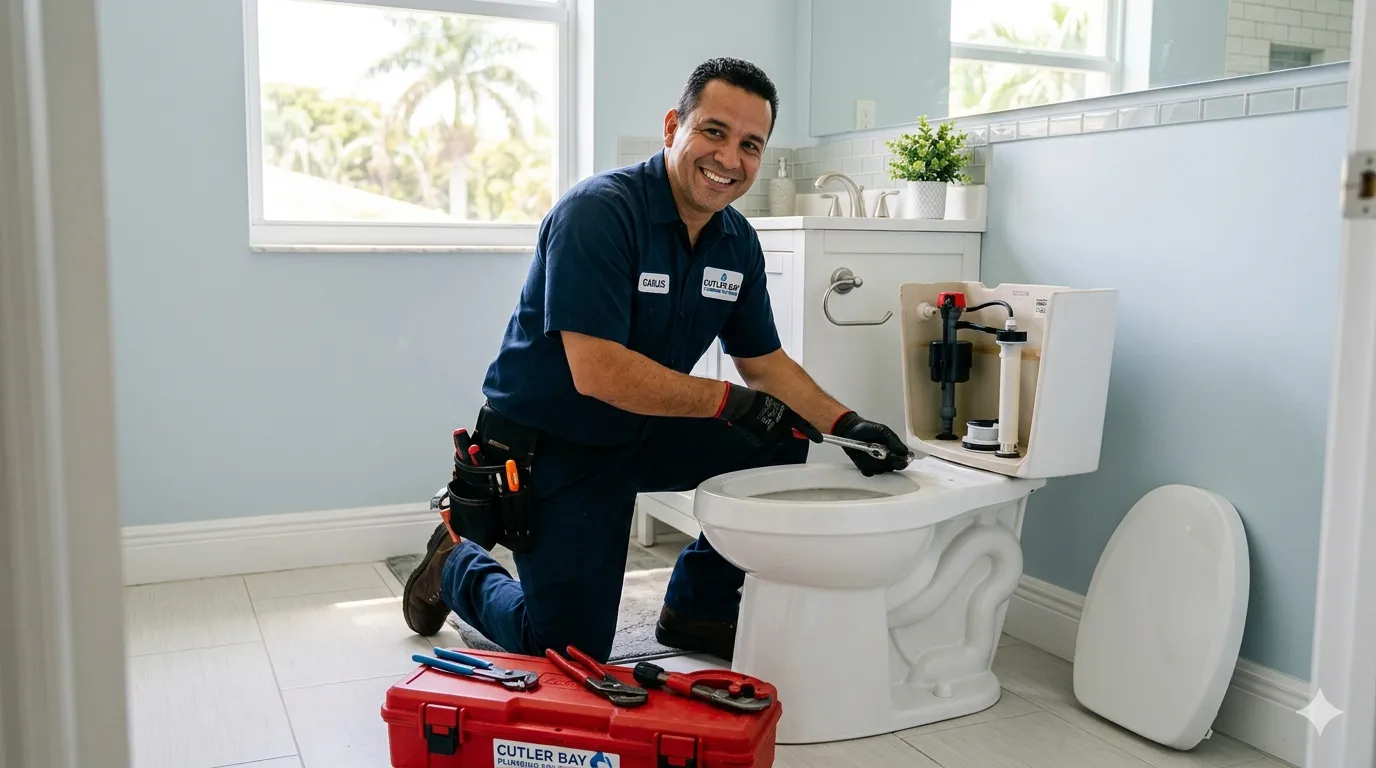
"Spontaneous gurgling is the one that gets our trucks moving fast. When a toilet is bubbling and nobody's touched a faucet, that's the drain system talking — and it's not saying anything good. We've shown up to those calls and found the main line completely sealed with roots. Another 24 hours and that family would have had sewage in their shower." — Carlos R., Senior Technician, Miami RooterPRO (miamirooterpro.com)
Why the Plumbing is "Talking" Back
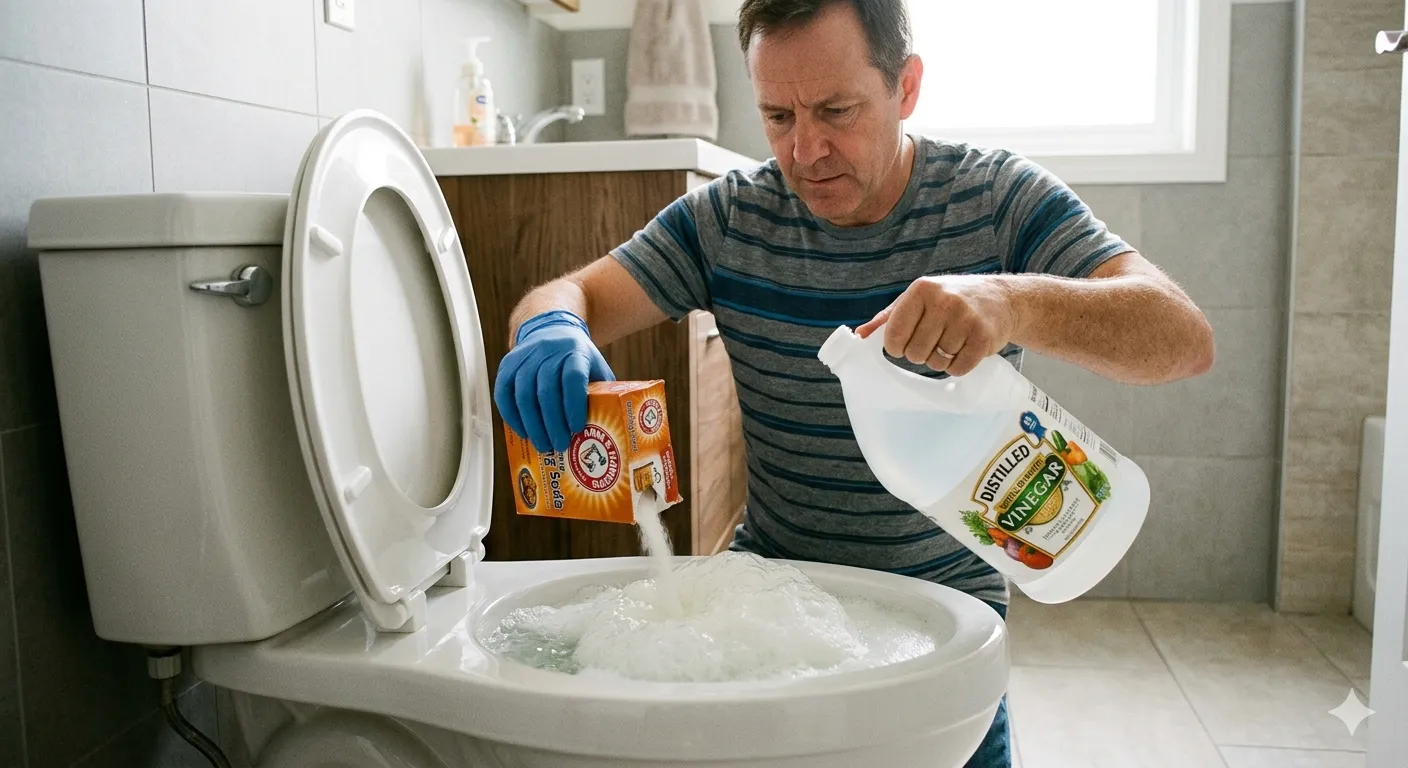
A home’s plumbing functions like a giant straw. For water to go down smoothly, air must follow it. This is managed by the Drain-Waste-Vent (DWV) system (the "breathing" network of the house). If that "straw" gets pinched or plugged, pressure builds up. Air forced through the water seal creates those characteristic bubbles.
1. The Main Sewer Line Blockage
Think of this as a traffic jam on a major highway. If the main exit is blocked, everything backs up into the side streets (sinks and toilets). Air is pushed back toward the house, escaping through the P-traps (the U-shaped pipes that hold water to block sewer gases).
2. The Blocked Vent Stack
This is the pipe sticking out of the roof. Its sole job is to let the plumbing "breathe." If a bird’s nest or ice plugs it, a vacuum is created. To break that vacuum, the system "inhales" air through the toilet bowl.
3. The Localized Trap Clog
This is the "best-case scenario." A partial clog in the toilet's own "S" curve creates turbulence. As water struggles to pass, it traps air bubbles that float back to the surface.
The "First Aid" Algorithm: How to Fix It Yourself
If the issue is local (Green or Yellow on the scale), these steps should be followed in order. Precision is everything in plumbing.
Step 1: Master the "Piston Technique"
Most homeowners use the wrong tool. Flat, "cup" style plungers are designed for sinks. A flange plunger (the one with the extra rubber sleeve at the bottom) is required for toilets.
- The Pro Move: Seal off nearby drains (sinks or showers) with duct tape. This prevents the pressure from escaping out of the sink instead of hitting the clog.
- The Action: Use quick, rhythmic "piston" strokes. Research indicates that this cyclic aspiration technique is 34.4% more effective at moving blockages than simple pushing [1].
Step 2: The Toilet Auger (The Snake)
If the plunger fails, it is time for the "big guns." A toilet auger is a specialized cable that snakes through the porcelain.
- Safety First: Ensure the plastic guard is tight against the bowl to avoid scratching the porcelain.
- Note: Professional tools, such as those from General Pipe Cleaners, are built for longevity, but most warranties do not cover "soft clogs" caused by items that should never have been flushed [4].
Step 3: Clear the Roof Vent
If every drain in the house is sluggish, the problem is likely on the roof.
- The Action: Carefully check the vent pipe for leaves or debris.
- Warning: If there is any discomfort with heights or ladders, stop immediately and call a professional.
When to Drop the Wrench: Calling a Professional
We have seen too many homeowners turn a $200 service call into a $5,000 floor replacement. Stop DIY efforts immediately if:
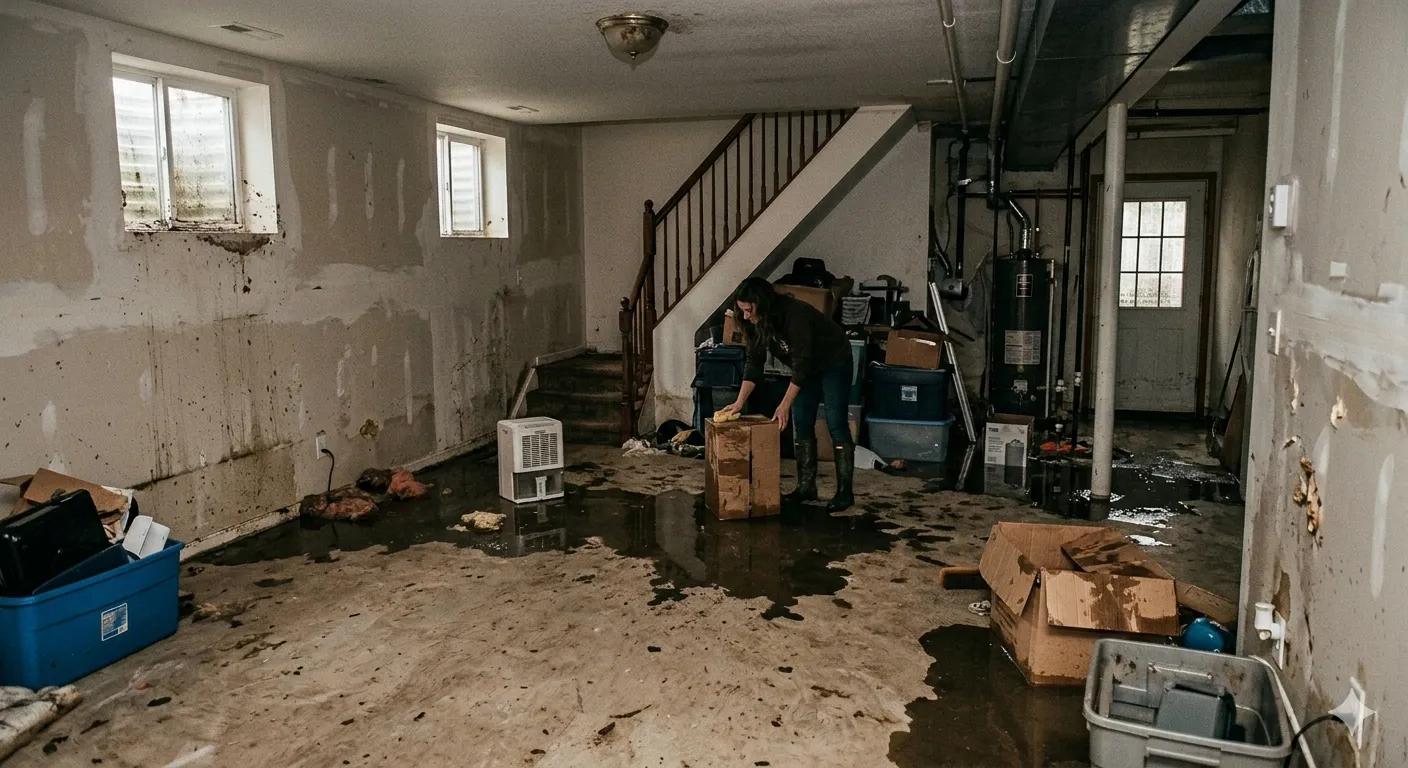
1. Sewage is backing up into the tub or shower.
2. The gurgling persists after using an auger.
3. There is a "rotten egg" smell (sewer gas) in the home.
In 2026, a standard drain cleaning in the United States typically ranges between $100 and $300 [2]. If a hydro-jet (high-pressure water cleaning) is required for heavy grease or roots, costs can reach $350 to $900. While this may seem high, a full sewer line replacement averages $3,319—catching the issue early is an investment in the home's infrastructure [2].
"The calls that hurt the most are the ones where someone spent a weekend on it before calling us. By the time we get there, they've pushed the blockage deeper, scratched the porcelain with a wire hanger, and the gurgling has turned into a backup. The auger has a learning curve — if it's not moving after ten minutes, put it down. The service call is always going to be cheaper than the damage." — Carlos R., Miami RooterPRO
Who Is Responsible for the Repair?
The homeowner generally owns the line from the house to the municipal main. If a clog occurs under the yard, the homeowner is financially responsible. We recommend checking your homeowner's insurance policy, as sewer line coverage often requires a specific rider.
Prevention: How to Protect Your Pipes
- The "Flushable" Myth: There is no such thing as a flushable wipe. They do not dissolve; they simply wait in the pipes to snag hair and grease.
- FOG Alert: Never pour Fats, Oils, or Grease down the drain. These substances turn into "fatbergs" that become as hard as concrete.
- Septic Care: Systems should be pumped every 1 to 3 years [7].
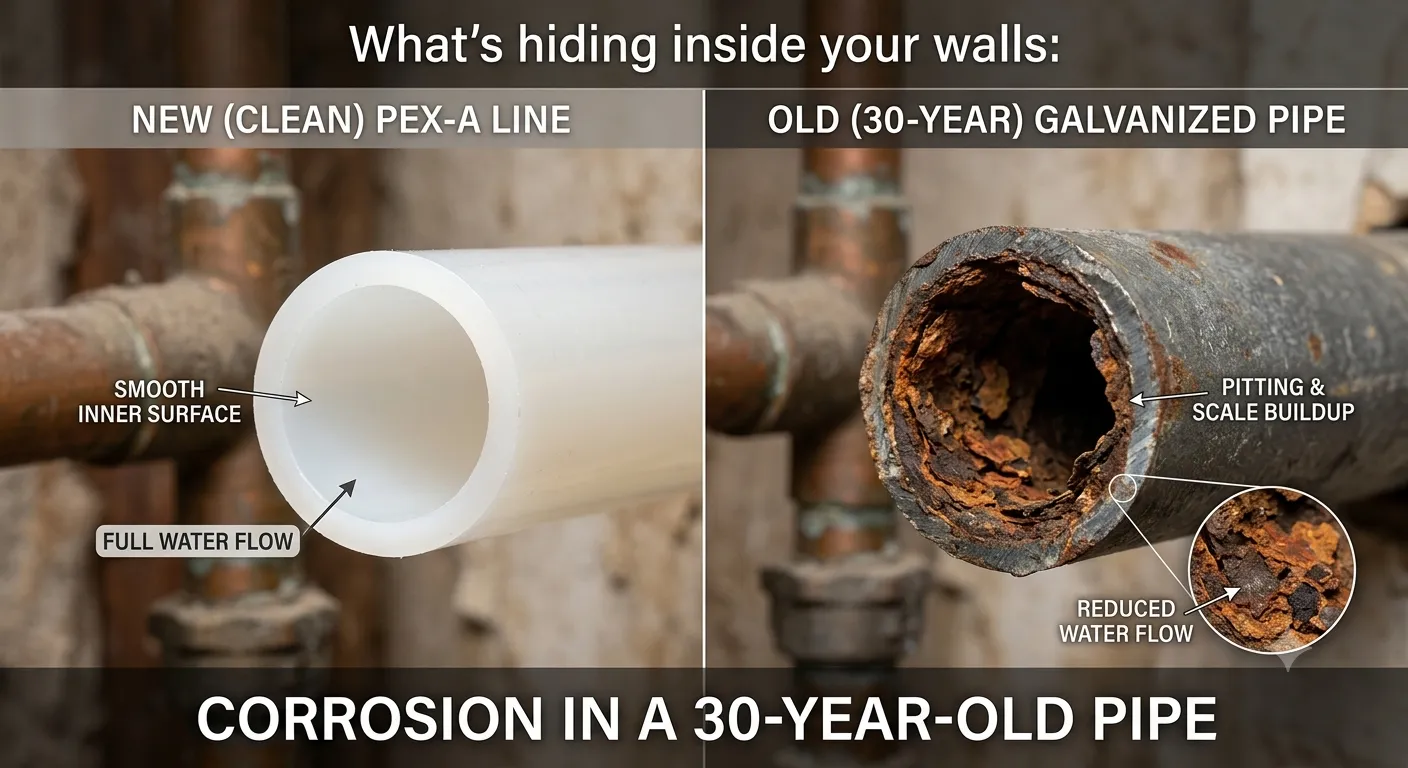
- Hard Water Issues: If water is "hard" (around 7 mg-eq/l), scale can choke pipes, reducing capacity by 75% in just 18 months [5]. A water softener is often a wise investment.
The "Do NOT" List:
- Do NOT use chemical drain cleaners (they rarely reach air-locks and can damage pipe seals).
- Do NOT continue flushing if the water level is rising.
- Do NOT run the dishwasher or laundry if you hear "sympathetic" gurgling.
FAQ: Quick Answers
Can I wait for the bubbles to go away?
No. Plumbing issues do not resolve themselves. A bubble today is often a flood tomorrow.
Why does it gurgle when it rains?
Heavy rain can overwhelm municipal sewers or saturate the ground, pushing air back into the home's venting system.
It only bubbles once a day; is that okay?
Even infrequent bubbling suggests a partial blockage or a venting issue that will eventually worsen.
Watch this 2-minute breakdown on how to use a toilet auger without damaging your bathroom.
References
[1] PubMed (ID: 38321875) — Study on cyclic aspiration (piston technique) efficiency.
[2] Vevor.com — 2025 Sewer Repair & Cleaning Cost Analysis.
[3] RF Government Decree №491 — Rules for maintenance of common property.
[4] DrainBrain.com — General Pipe Cleaners Warranty Terms.
[5] Diasel/Water.ru — Technical impact of hard water on plumbing.
[6] Roskvartal.ru — Legal practice: UK vs Tenants in sewage disputes.
[7] Byt-master.ru / Mosvodostroy — Septic maintenance regulations.

























Sign in to leave a comment.