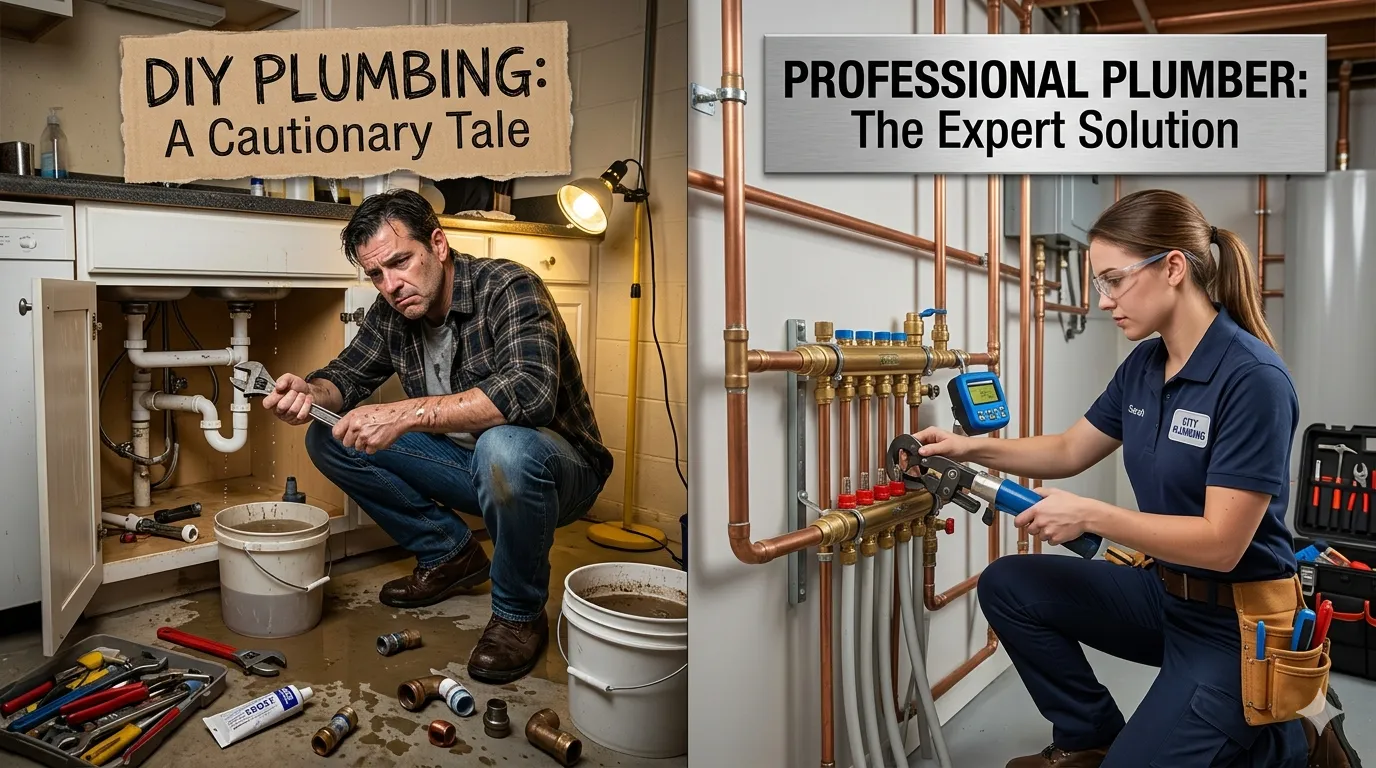

Around here in Miami-Dade, plumbing is never just about pipes and water. It is a constant battle against salt-heavy air, hard limestone water, and some of the strictest building codes in the United States.
Before reaching for a pipe wrench, homeowners must understand the local stakes: in this climate, a minor oversight does not stay minor. It evolves into a $15,000 mold remediation project faster than a call for help can be placed.
The 60-Second Triage: Can You Fix It or Should You Call a Pro?
Deciding whether to DIY or dial a professional is about protecting the home’s foundation and the owner's wallet. We use this "traffic light" system to help neighbors make the right call:
- Green Light (DIY-Safe): these are surface-level tasks. Replacing a faucet aerator, swapping a showerhead, or installing a new toilet flapper. If the component is outside the wall and does not involve gas, the risk is generally low.
- Yellow Light (Caution): slow drains that a simple plunger can handle. However, caution is required: frequent use of heavy chemical cleaners risks pipe corrosion and long-term damage.
- Red Light (Professional Only): if the leak is behind a wall, if sewage is backing up, or if you need to install water heater —stop immediately. This also applies if water pressure exceeds 80 PSI (pounds per square inch), which requires a specialized Pressure Reducing Valve or PRV [4].
Symptom-to-Action Matrix: Your Immediate Response Guide
| If you see/smell this... | The Likely Culprit | Risk Level | Your First Step |
| Warm spot on the floor | Slab leak (under-foundation) | CRITICAL | Shut off main valve; call a pro. |
| Sewer smell in bedroom | Failed P-trap or venting issue | HIGH | Open windows; check vent stacks. |
| Sudden drop in pressure | Major leak or city main break | MEDIUM | Check meter; call Miami-Dade Water. |
| Gurgling toilet | Main line blockage/venting | HIGH | Stop using water; call for camera inspection. |
| Dripping faucet | Worn washer or cartridge | LOW | Watch a tutorial; DIY repair is safe. |
Direct Comparison: DIY vs. Professional Plumbing Safety & Liability
| Feature | DIY Approach | Professional Plumber |
| Risk Level | high (potential for flooding/mold) | low (bonded and insured) |
| Code Compliance | unverified (risk of fines) | guaranteed (Miami-Dade/Florida Code) |
| Insurance Coverage | likely void for DIY errors | covered by professional liability |
| Quality Workmanship | variable/uncertain | warrantied for 12–24 months [1] |
| Tooling | basic consumer grade | industrial (hydro-jetting, cameras) |
Saving a few hundred dollars today can cost thousands tomorrow. We think of it like an iceberg: the "savings" are the tiny bit visible on top, but the risks—city fines, insurance denials, and foundation damage—are lurking deep below the surface.
The Miami Factor: Why South Florida Plumbing is a Different Beast
Geography is beautiful, but it is brutal on residential plumbing systems.
Hard Water & Pipe Corrosion in Miami-Dade
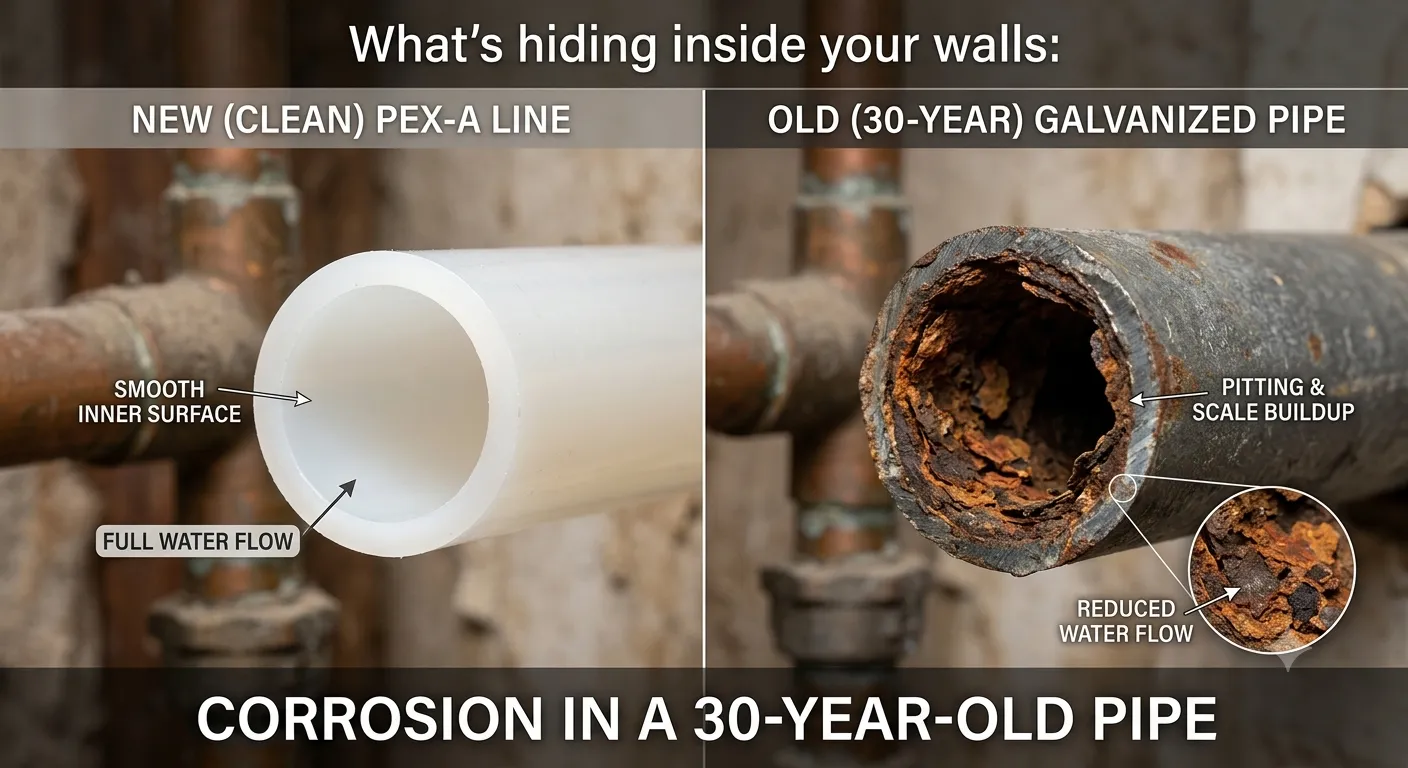
Local water is drawn from a limestone aquifer, meaning it is packed with calcium and magnesium. In Miami-Dade, water hardness levels typically sit between 120 to 220 mg/L (milligrams per liter) [2]. Think of this mineral buildup like cholesterol in an artery: it narrows the pipes until the pressure causes a "heart attack" in the plumbing system.
Aging Infrastructure Alert
Homeowners are not just dealing with their own pipes; they are connected to a municipal system where over 50% of the infrastructure is more than 50 years old [7]. When these aging city pipes fail, the resulting pressure surges can blow out a weak DIY connection inside a home.
The Slab Leak Menace
Most Miami homes are built on concrete slabs. Between the limestone ground and the high water table, copper pipes buried under the floor are under constant chemical attack. Combined with salt air, this creates a recipe for oxidation that can eventually crack a foundation.
The Legal Reality: Miami-Dade Plumbing Code & Permit Requirements
Plumbing in this region is strictly governed by Florida Statute 489. These laws exist to ensure the home does not become a biohazard.
When is a Permit Legally Required?
According to local regulations, homeowners cannot DIY the following tasks:
1. Water Heater Replacement: replacing any water heater (gas or electric).
2. Structural Alterations: moving or adding drains and vents.
3. Sewer Lines: any sewer line repairs or replacements.
4. Major Fixture Work: any work that requires breaking through the concrete floor.
The Danger of Unpermitted Work
If the City of Miami discovers unpermitted work, fines can reach $1,000 per day [3]. Furthermore, when selling a home, an inspector will flag these issues. We have seen homeowners forced to tear open finished walls just so an inspector could verify a pipe that lacked a permit.
Top 5 Safety Hazards of DIY Plumbing in South Florida
1. Biohazard Exposure: sewage backups (black water) carry E. coli and Salmonella. Without professional-grade PPE (Personal Protective Equipment), family health is at risk.
2. High-Pressure Failures: Miami’s water pressure can spike up to 170 PSI during surges [4]. A DIY joint that isn't perfect will turn a tiny drip into a fire hose.
3. Methane Accumulation: pipes must "breathe" through vents. Improper venting allows explosive and toxic methane gas (sewer gas) to seep into living spaces.
4. Foundation Erosion: a slow leak under a slab can wash away the supporting soil, leading to structural cracks that cost tens of thousands to repair.
5. Water Heater Explosions: incorrectly installed T&P (Temperature and Pressure) valves can turn a water heater into a literal rocket if the tank overpressurizes.
Financial Risks: Will Insurance Cover a DIY Disaster?
The reality is that most Florida insurance policies contain "Negligence" exclusions. Approximately 1 in 10 water damage claims are denied because the carrier blames "faulty workmanship" by an unlicensed person [8].
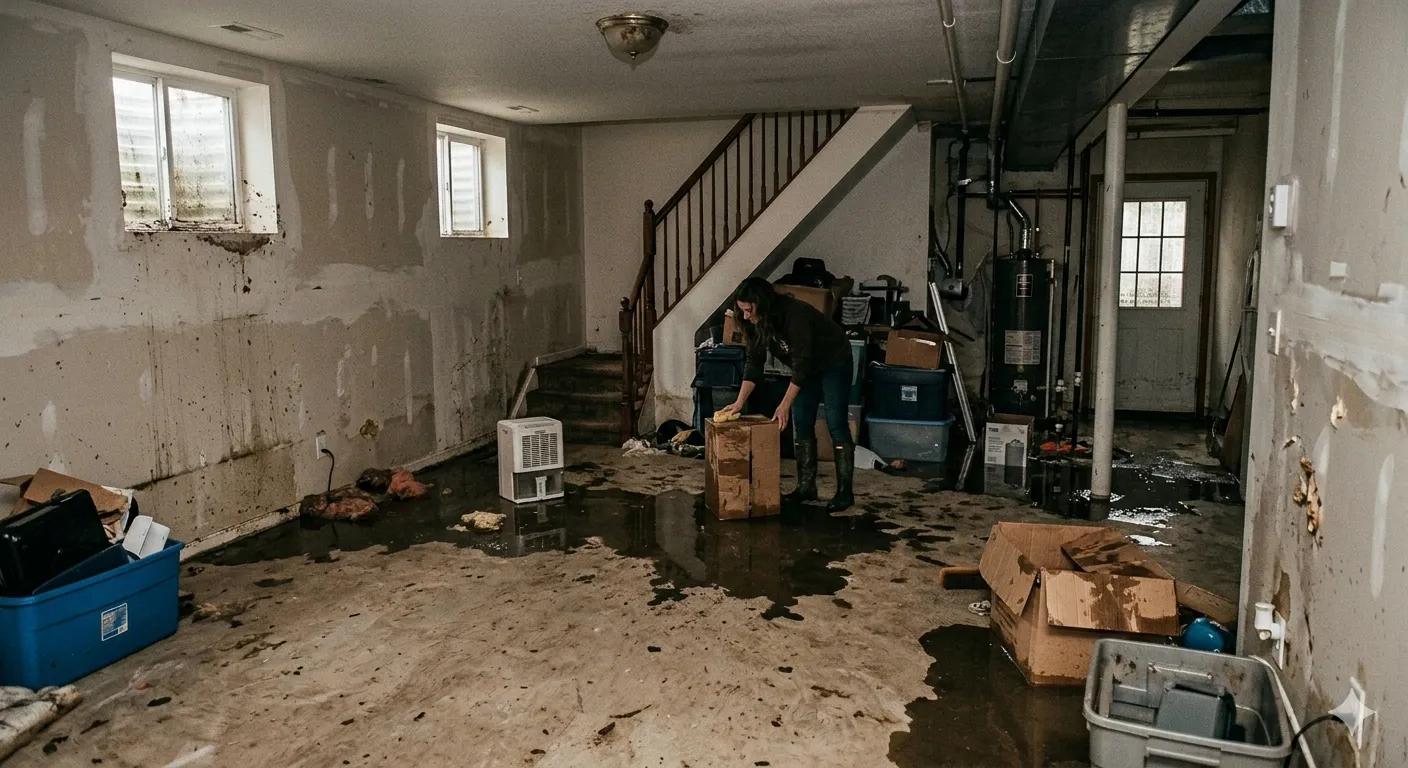
A Case Study: we once encountered a homeowner who installed their own water heater to save costs. It developed a slow, hidden leak behind a closet wall. By the time mold was discovered, the remediation bill exceeded $15,000 [9]. The insurance company denied the claim entirely because the work was unpermitted.
Safe DIY Victories: What You CAN Fix Yourself
Our team encourages homeowners to handle small tasks to save money. These are safe "wins":
1. Clean Aerators: if water flow is weak, unscrew the faucet tip and soak it in vinegar. Miami’s lime scale dissolves quickly in mild acid.
2. Showerhead Upgrades: use Teflon tape (plumber's tape) and wrap it clockwise (3-4 times) to ensure a watertight seal.
3. The Running Toilet: replacing a rubber flapper is a 5-minute job that prevents thousands of gallons of wasted water.
The most critical DIY skill is knowing how to shut off the main water valve.
Hiring a Pro Without Getting Ripped Off: The Miami Checklist
- Verify the License: do not take their word for it. Check the MyFloridaLicense website [5].
- Ask for the COI: ensure they have General Liability and Workers' Comp insurance.
- Flat-Rate Pricing: for standard repairs, request a capped estimate to avoid "surprise" hourly fees.
- Local Knowledge: ensure they understand Miami-Dade’s specific codes for high-velocity hurricane zones.
Frequently Asked Questions
Can I replace my own water heater in Miami?
Legally, no. It requires a permit and a safety inspection to verify the T&P valve and venting are correct.
What is the "135 rule"?
This refers to IPC (International Plumbing Code) Section 706.3. It states that you cannot have more than 135 degrees of cumulative change in direction for a horizontal drain before a cleanout is required [6]. Violating this leads to chronic, unfixable clogs.
Your Immediate Action Plan
1. Shut off the water: find the main valve and close it immediately.
2. Document the scene: take clear photos of the damage for insurance purposes.
3. Assess honestly: if the issue is inside a wall, involves gas, or affects the main sewer line—call a licensed professional.
References
[1] Plumbing Warranties and Labor Standards — [Internal Data]
[2] Water Hardness in Miami-Dade — https://dropconnect.com
[3] City of Miami Code Enforcement & Fines — https://cosmomanagementgroup.com
[4] Miami-Dade Water Efficiency Manual & Pressure Standards — https://miamidade.gov
[5] Florida DBPR License Search — https://www.myfloridalicense.com
[6] International Plumbing Code (IPC) Section 706.3 - The 135 Rule — https://brightwaterplumbingorlando.com
[7] CBS Miami Investigates: Aging Pipe Infrastructure — https://miami.cbslocal.com
[8] Insurance Claim Denial Statistics (Water Damage) — https://healthsurehub.com
[9] Mold Remediation and Drywall Repair Costs in Florida — https://hirelocal.services


























Sign in to leave a comment.