
Air Purifiers Parts: Components, Maintenance, and Replacement Guide
Air purification systems use a combination of mechanical, electrical, and filtration components to improve indoor air quality. Understanding Air purifiers parts can help beginners learn how these systems function, identify common maintenance requirements, and understand when a component may need cleaning, inspection, or replacement. Different models use different technologies, so the exact components can vary.
Understanding Air Purifier Components
An air purifier usually contains an air intake, fan, motor, filtration system, control components, and an outlet through which treated air returns to the room. Some systems may also include sensors, ultraviolet lamps, carbon filters, ionization components, or other specialized technologies. These components work together, meaning a problem with one part can sometimes affect the performance of the entire unit.
The air intake is where indoor air enters the purifier. Dust, pet hair, lint, and other debris can accumulate around this area if it is not cleaned regularly. Keeping the intake unobstructed allows air to enter the system more easily and helps maintain consistent airflow.
The fan and motor are responsible for moving air through the purifier. When the fan operates, air passes through the available filtration or treatment stages before being released back into the room. Weak airflow does not always mean the motor has failed. A clogged filter or blocked intake can create similar symptoms, so basic checks should be completed before replacing mechanical components.
The Importance of Filtration Components
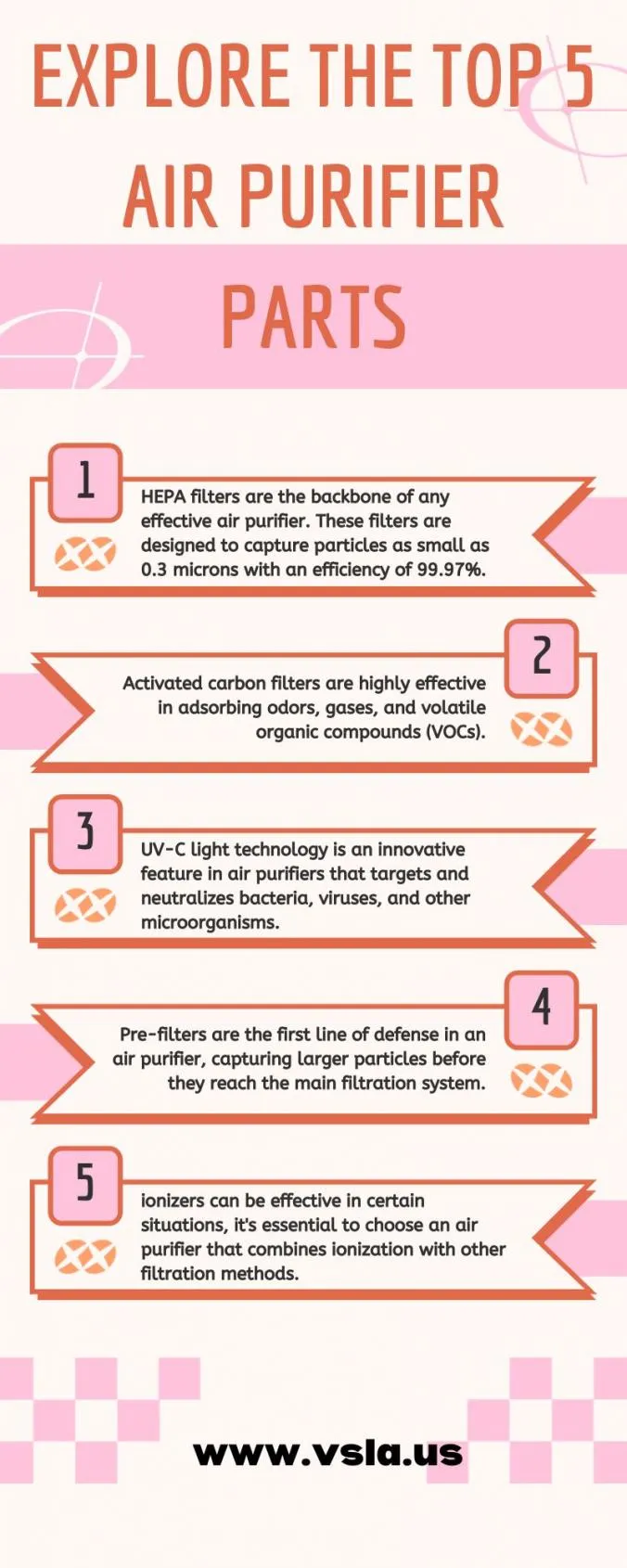
Filters perform different functions depending on their design. A purifier may contain a pre-filter for larger particles, a HEPA filter for fine airborne particles, an activated carbon filter for certain odors and gases, or a combination of these technologies.
A pre-filter is generally positioned before finer filtration stages. It can collect larger particles such as dust and hair and may help prevent these materials from reaching the main filter. Some pre-filters can be cleaned, while others are intended for replacement. Users should always check the instructions for their particular model before washing a filter.
HEPA filters are designed to capture very small airborne particles. During normal operation, particles accumulate within the filter material. As the filter becomes loaded, airflow can gradually decrease. Replacement schedules depend on factors such as usage, indoor air conditions, filter design, and the manufacturer's recommendations.
Activated carbon filters have a different purpose. They are commonly used to help reduce certain odors and gaseous compounds. Their performance depends on the amount and type of carbon, airflow, pollutant concentration, and other design factors. Once the carbon becomes saturated, replacing the filter is generally more appropriate than attempting to clean it.
Electrical and Control Parts
Modern purification systems may include circuit boards, switches, sensors, wiring, power supplies, indicator lights, and other electronic components. These parts can control fan speeds, operating modes, timers, filter alerts, and automatic functions.
Electrical components require additional caution because incorrect handling can create safety risks. If a purifier produces sparks, a burning smell, unusual heat, or repeated electrical interruptions, it should be switched off and unplugged. Internal electrical problems should be assessed by a qualified professional rather than repaired without proper knowledge.
Breeze AT Maintenance and Replacement
Different air purifier models require specific components and maintenance procedures. For example, Breeze AT repair may involve diagnosing an airflow, mechanical, electrical, or control-related problem. Repair should begin with identifying the actual cause rather than replacing multiple components without inspection.
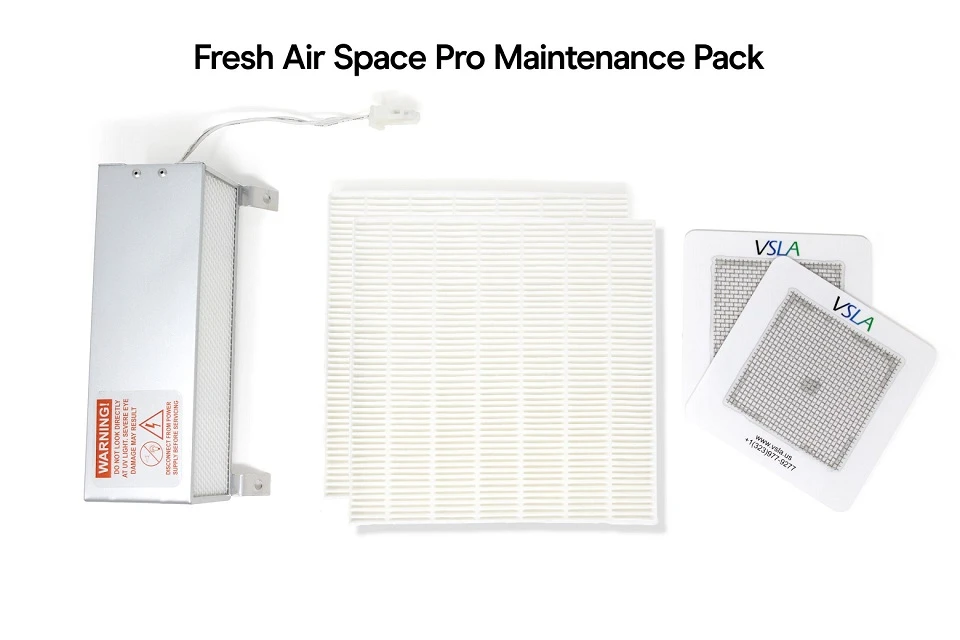
When searching for Breeze AT parts, users should confirm the exact model and specifications before purchasing anything. Components that appear similar may have different dimensions, connections, electrical requirements, or operating characteristics. Using an incorrect component can affect the operation of the system.
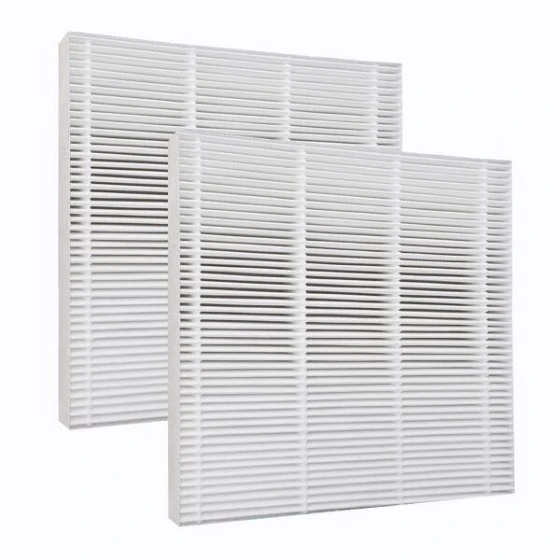
A Replacement filter for Breeze AT should also be selected according to the appropriate model and specifications. Filters are not necessarily interchangeable simply because they have similar shapes or dimensions. Checking the model information before installation can help avoid compatibility problems.
How Air Purifier Parts Work Together
Air purification is generally a multi-stage process. Indoor air first enters through the intake and is moved by the fan. It may then pass through a pre-filter, fine-particle filter, carbon filter, or another treatment stage. After the air passes through the system, it exits through the outlet.
Because these stages are connected, maintenance of one component can influence the performance of others. For example, a heavily loaded filter can restrict airflow, causing the fan to work harder. Similarly, a blocked intake can reduce the amount of air entering the system even when the filter itself is relatively clean.
Understanding this relationship can help users troubleshoot problems more logically. Instead of immediately assuming that a motor has failed, it may be useful to check the filter, intake, outlet, and visible obstructions first.
Signs That Components Need Attention
Reduced airflow is one of the most common signs that an air purifier may require maintenance. A clogged filter is one possible explanation, but blocked ventilation openings, dust accumulation, or mechanical problems can also contribute.
Unusual sounds can provide another warning. Rattling, buzzing, clicking, or grinding sounds may be associated with a loose component, obstruction, fan problem, or motor issue. If basic cleaning does not resolve the noise, professional inspection may be appropriate.
Unusual odors should also be considered carefully. A dusty smell may indicate a filter that requires attention, while a burning or electrical odor may indicate a more serious issue. In such cases, stopping operation and seeking appropriate inspection is safer than continuing to run the appliance.
Some models include warning lights or digital indicators. These features may notify users about filter replacement, sensor conditions, or other maintenance requirements. The meaning of an indicator should be checked against the model's documentation rather than assumed.
Practical Maintenance Tips
Regular filter inspection is one of the simplest maintenance habits. The correct inspection interval depends on the purifier and its operating environment. Homes with pets, smoke, construction dust, or high levels of airborne particles may require more frequent attention.
The area around the purifier should also remain clear. Furniture, curtains, boxes, and other objects should not block the intake or outlet. Maintaining adequate space around these areas helps support normal airflow.
External surfaces and accessible ventilation grilles can be cleaned periodically. The purifier should be unplugged before cleaning, and users should avoid introducing water into electrical sections.
When replacement is necessary, always check the model number and specifications. Filters, motors, lamps, sensors, and electronic components should not be selected solely because they look similar to the original part.
Keeping a maintenance record can also be useful. Recording filter changes, cleaning dates, unusual symptoms, and repairs can help users recognize recurring problems and plan future maintenance.
People Also Ask
What are the main parts of an air purifier?
Common components include an air intake, fan, motor, filters, control system, and air outlet. Some models also contain carbon filters, UV components, sensors, or other specialized technologies.
How often should air purifier filters be replaced?
The replacement interval varies according to the model, filter type, usage, indoor environment, and manufacturer's recommendations. Reduced airflow or a heavily loaded filter may indicate that inspection is needed.
Can all air purifier filters be washed?
No. Some pre-filters are washable, while many HEPA and carbon filters are designed for replacement. Always check the instructions for the specific filter.
Why does an air purifier make unusual noises?
Possible causes include a blocked intake, dirty filter, loose component, fan obstruction, or motor issue. Basic accessible checks should be performed before assuming an internal component has failed.
How do I select the correct replacement component?
Identify the exact purifier model and check the required part number, dimensions, specifications, and compatibility information. Appearance alone is not enough to establish compatibility.
FAQ
Are air purifier components universal?
No. Many components are designed for particular models or product families. Filters, motors, sensors, lamps, and electrical parts can differ considerably between systems.
Can I replace a filter myself?
If the filter is designed for user replacement, it can generally be changed by following the manufacturer's instructions. Internal electrical or mechanical repairs require additional expertise.
What happens when a filter becomes clogged?
A clogged filter can restrict airflow and may affect the purifier's normal operation. Replacing the filter according to the manufacturer's recommendations can help maintain appropriate airflow.
Should a noisy purifier continue running?
It depends on the cause of the noise. Minor airflow-related issues may be resolved through cleaning or filter replacement, but persistent mechanical or electrical noises should be investigated before continued operation.
Why are compatible replacement parts important?
Compatible components are designed to meet the physical and operating requirements of a particular system. Incorrect parts may affect airflow, performance, reliability, or safety.
Learning about Air purifiers parts can make routine maintenance easier for both new and experienced users. Filters, fans, motors, electrical controls, sensors, and specialized treatment components each have different functions, so understanding their roles can help users identify possible maintenance requirements.
Regular inspection, appropriate cleaning, unobstructed airflow, and correctly matched replacement components can support reliable operation. When a problem involves internal electrical or mechanical components, proper diagnosis is important because replacing the wrong part may not solve the underlying issue.






















Sign in to leave a comment.