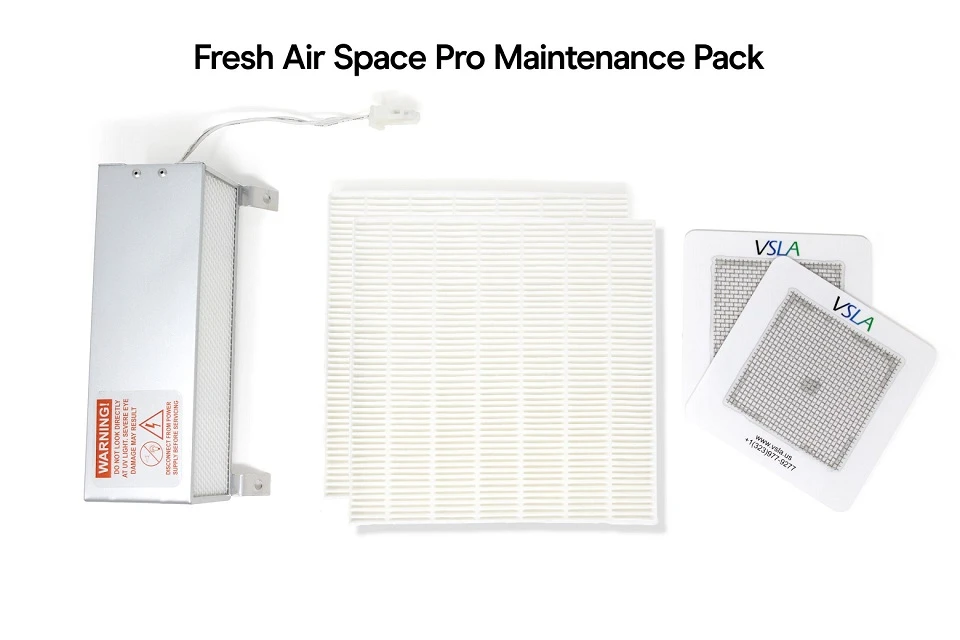

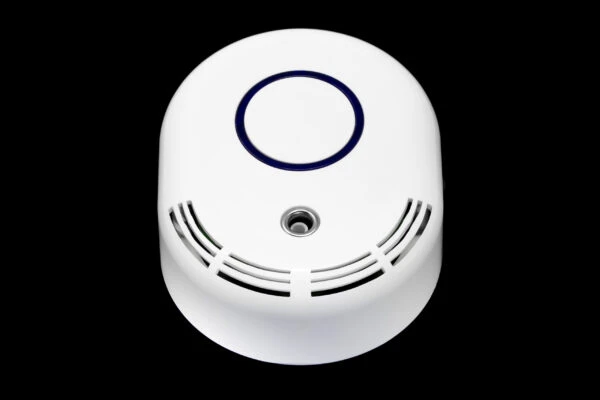
Air purification systems have become an important part of modern indoor environments, especially in homes and workplaces concerned about allergens, odors, and airborne particles. Among older and widely recognized brands, EcoQuest air purifiers have been used in various residential and commercial settings. Over time, however, like any electrical appliance, these systems may require servicing, part replacement, or technical inspection.
Understanding EcoQuest repair is essential for users who want to maintain efficiency, ensure safety, and extend the lifespan of their units. Rather than replacing a complete system, targeted servicing and proper maintenance often restore performance effectively.
Common Issues in EcoQuest Systems
EcoQuest air purifiers are built with internal components such as purification cells, fans, ozone plates, and filters. With consistent usage, several issues may arise:
- Reduced airflow due to clogged filters
- Unusual noise from internal fan mechanisms
- Diminished odor control performance
- Electrical or power-related interruptions
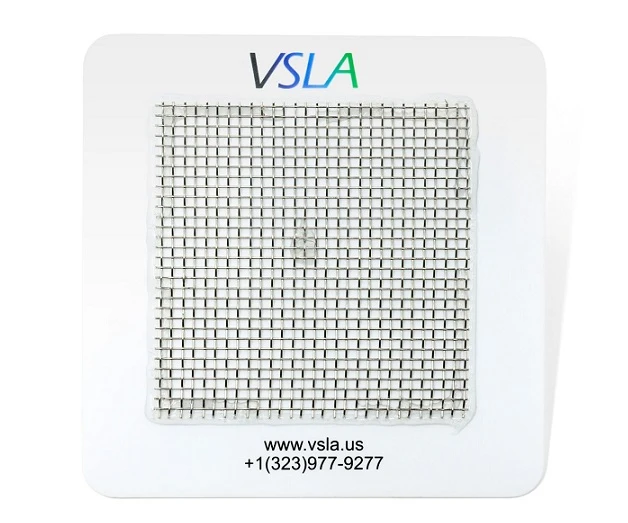
- Worn-out purification plates or cells
In many cases, these problems do not indicate total system failure. Instead, they signal the need for inspection, cleaning, or selective component replacement. Addressing issues early prevents more extensive damage and costly repairs later.
Importance of Routine Maintenance
Regular maintenance significantly reduces the likelihood of breakdowns. EcoQuest products are designed to operate continuously in many environments, which increases wear on internal components. Routine care typically includes:
- Cleaning reusable filters
- Replacing purification plates when needed
- Checking internal wiring for dust buildup
- Inspecting fan motors and airflow systems
- Ensuring ozone output remains within intended specifications
Maintenance is particularly important for systems such as Fresh Air by ecoquest models, which are commonly used in households. Consistent upkeep ensures these units maintain effective purification without strain on internal parts.
Role of Filters in System Performance
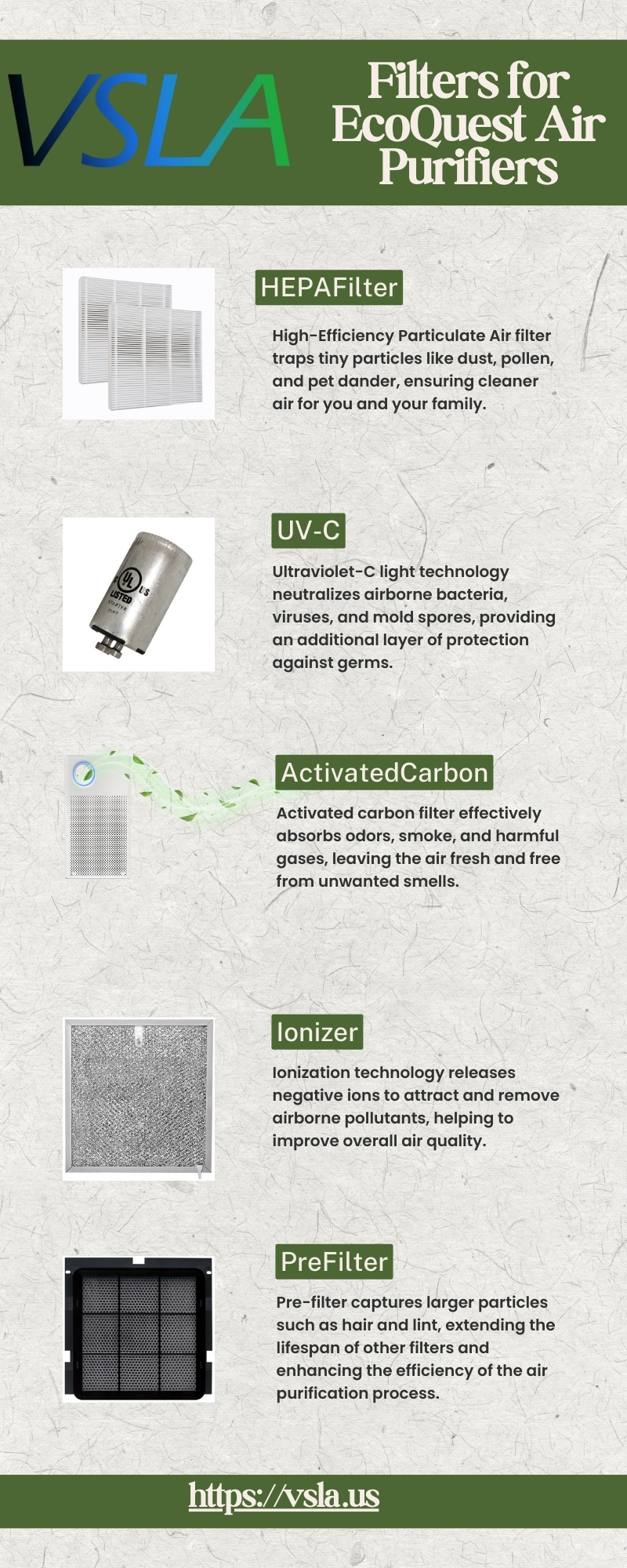
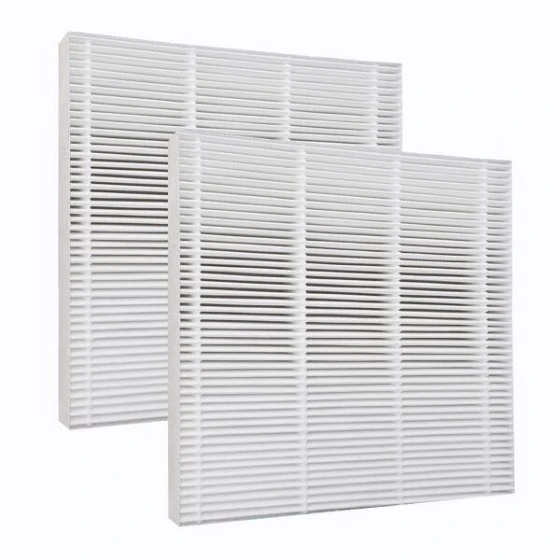
Filters for EcoQuest air purifiers play a central role in maintaining clean airflow. Over time, filters collect dust, pet dander, and microscopic particles. If not cleaned or replaced, airflow becomes restricted, forcing the motor to work harder.
Signs that filters may need attention include:
- Decreased air circulation
- Musty odors persisting indoors
- Increased operational noise
- Visible dust buildup on filter surfaces
Some EcoQuest units include washable filters, while others require periodic replacement. Reviewing the specific model’s manual helps determine the correct maintenance schedule.
When Professional Repair Becomes Necessary
While routine cleaning can be handled by most users, certain technical issues require specialized attention. Electrical faults, malfunctioning ozone plates, and damaged internal components are best handled by experienced technicians.
Professional EcoQuest repair services typically involve:
- Diagnostic testing of electrical circuits
- Replacement of faulty EcoQuest parts
- Calibration of ozone or ionization output
- Inspection of safety controls
- Performance verification after servicing
Attempting to fix complex internal issues without technical knowledge may cause additional damage or safety risks. Professional servicing ensures compliance with operational standards.
Understanding Replacement Components
Over the years, many users search for compatible EcoQuest parts when systems begin to show signs of wear. Common replacement components include:
- Ozone plates
- Purification cells
- Power supply modules
- Internal fans
- Control panels
Availability of replacement parts varies depending on model type and production year. Older units may require compatible aftermarket components. Ensuring proper fit and voltage compatibility is critical to avoid further technical issues.
Lifespan and Durability Considerations
EcoQuest air purifiers were built for long-term use, but their durability depends on operating conditions. Factors influencing system lifespan include:
- Frequency of use
- Indoor air quality levels
- Regularity of maintenance
- Environmental humidity
- Proper storage when not in use
Units used in high-dust environments or commercial settings may require more frequent servicing compared to systems in controlled residential spaces. Regular inspection can significantly extend operational life.
Safety and Operational Guidelines
Because some EcoQuest products utilize ozone generation technology, proper operation is important. Users should follow manufacturer guidelines to maintain safe indoor air conditions.
Key safety considerations include:
- Operating within recommended room sizes
- Avoiding excessive ozone settings
- Keeping the unit clean and dust-free
- Ensuring adequate ventilation
If a unit produces unusually strong odors or causes discomfort, it may require calibration or servicing. Responsible use ensures both effectiveness and occupant comfort.
Cost Considerations: Repair vs Replacement
When systems malfunction, users often face the decision between repairing or replacing the unit. In many cases, targeted EcoQuest repair can be more cost-effective than purchasing a new purifier.
Repair may be practical when:
- The motor remains functional
- Replacement parts are readily available
- The unit has been well maintained
- Damage is limited to specific components
Replacement might be considered if multiple internal systems fail simultaneously or if parts are no longer available. Evaluating repair costs against replacement value helps make an informed decision.
Environmental Impact of Repairing Air Purifiers
Repairing existing appliances contributes to environmental sustainability by reducing electronic waste. Instead of discarding units, replacing small components minimizes landfill impact.
Air purification systems contain electronic boards, plastic housings, and metal components. Responsible maintenance and repair reduce resource consumption associated with manufacturing new devices.
Choosing repair over disposal supports a circular approach to appliance use, extending product life cycles and conserving materials.
Tips for Long-Term Performance
Maintaining optimal performance does not require complex procedures. A few practical habits can significantly improve longevity:
- Clean filters monthly if used daily
- Inspect purification plates every 3–6 months
- Avoid blocking airflow vents
- Use voltage stabilizers if power fluctuations are common
- Store unused units in dry, dust-free environments
Keeping maintenance records can also help track part replacements and anticipate future servicing needs.
Identifying Authentic Components
When sourcing replacement components, compatibility is crucial. Some suppliers provide generic substitutes, but ensuring specifications match the original design prevents performance issues.
Key factors to verify include:
- Voltage ratings
- Model compatibility
- Plate size and configuration
- Material quality
- Warranty coverage
Careful selection of EcoQuest parts ensures system efficiency remains consistent with intended operation standards.
EcoQuest air purifiers have served many users seeking improved indoor air conditions. Like all mechanical and electrical systems, these units require periodic inspection, maintenance, and occasional part replacement. Understanding the fundamentals of EcoQuest repair allows users to make informed decisions about servicing, safety, and cost-effectiveness.
By maintaining filters, monitoring performance, and replacing worn components when necessary, users can extend the operational life of their air cleaning systems. Whether addressing minor maintenance needs or more complex technical issues, a proactive approach ensures continued performance and reliability.



























Sign in to leave a comment.