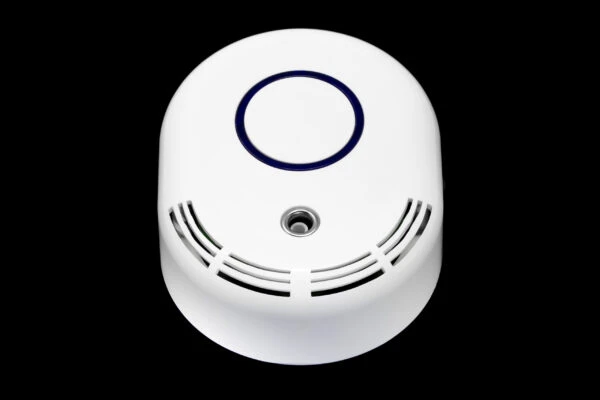

In today's world, air purifiers have become an essential appliance for maintaining clean and healthy indoor air. Whether you suffer from allergies, live in a polluted area, or simply want to improve the air quality in your home, these devices play a crucial role. However, like any other electronic device, air purifiers can encounter issues over time. Understanding how to maintain and air purifiers repair can save you money and ensure it continues to function efficiently.
Why Regular Maintenance is Crucial
Air purifiers work by filtering out pollutants, allergens, and contaminants from the air. Over time, the filters inside the device can become clogged with dust, pet dander, and other particles. If not cleaned or replaced regularly, the purifier’s performance will decline, and it may even stop working altogether. Regular maintenance not only extends the lifespan of your air purifier but also ensures it operates at peak efficiency.
Common Air Purifier Issues
Before diving into repairs, it’s important to identify the most common problems that air purifiers face. These include:
- Reduced Airflow: This is often caused by clogged filters or a malfunctioning fan.
- Unusual Noises: Grinding or rattling sounds may indicate a problem with the motor or fan.
- Foul Odors: If your air purifier starts emitting bad smells, it could be due to a dirty filter or mold growth inside the unit.
- Failure to Power On: This could be caused by a faulty power cord, internal wiring issues, or a blown fuse.
- Error Codes: Many modern air purifiers display error codes to indicate specific problems, such as filter replacement reminders or sensor malfunctions.
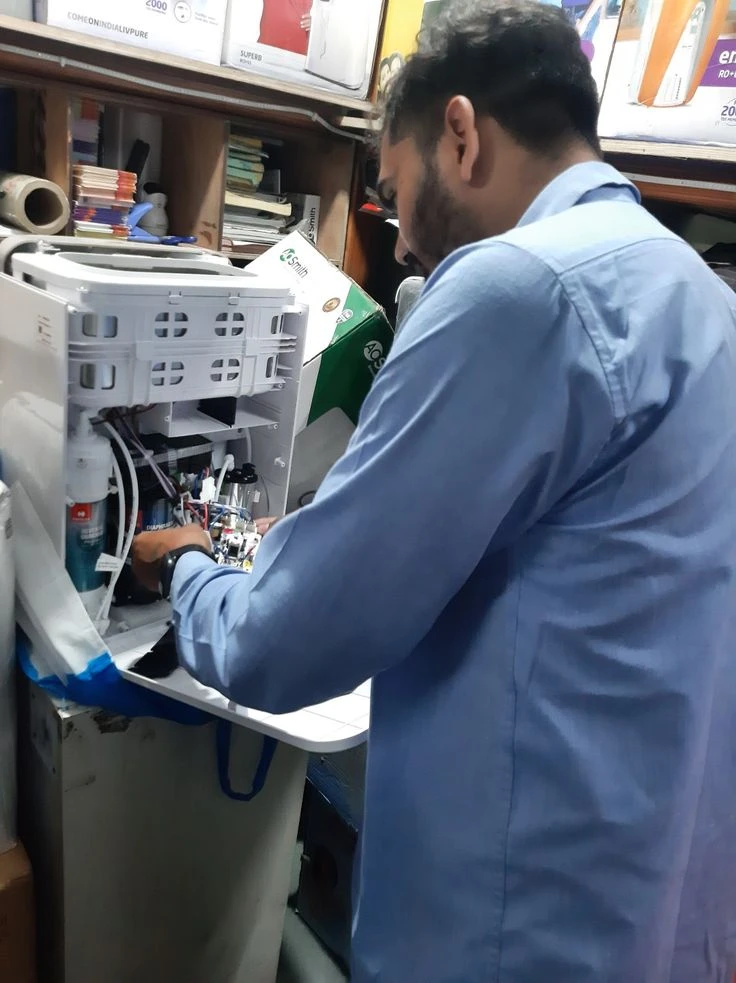
Step-by-Step Guide to Air Purifier Repair
While some issues may require professional assistance, many common problems can be resolved at home with a little know-how. Here’s a step-by-step guide to help you troubleshoot and repair your air purifier:
1. Check the Power Supply
Before assuming the worst, ensure that your air purifier is properly plugged in and that the outlet is functioning. If the device still doesn’t turn on, try using a different power cord to rule out a faulty cord.
2. Inspect and Clean the Filters
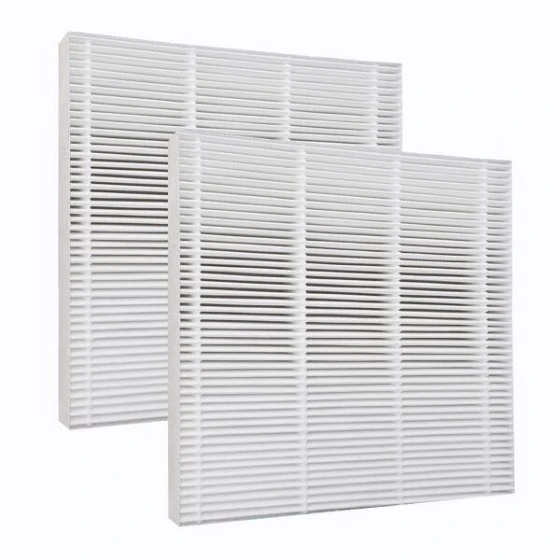
The most common cause of reduced airflow or foul odors is a dirty filter. Remove the filter according to the manufacturer’s instructions and inspect it for dirt and debris. If it’s a washable filter, clean it thoroughly and let it dry completely before reinstalling. For disposable filters, replace them as needed.
3. Examine the Fan and Motor
If your air purifier is making unusual noises, the fan or motor may be the culprit. Turn off and unplug the device, then carefully remove the outer casing to access the fan. Check for any obstructions, such as dust or debris, and clean the fan blades. If the motor appears damaged, it may need to be replaced.
4. Address Foul Odors
If your air purifier is emitting bad smells, it could be due to mold or bacteria growth inside the unit. Clean the interior with a mild detergent and ensure all components are completely dry before reassembling. Regularly replacing or cleaning the filters can also prevent this issue.
5. Reset the Device
Some air purifiers have a reset button or function that can resolve minor glitches. Refer to the user manual to locate the reset option and follow the instructions carefully.
6. Consult the User Manual
If you’re unsure about any step or if the problem persists, consult the user manual for troubleshooting tips specific to your model. Many manuals also include a list of error codes and their meanings.
When to Call a Professional
While DIY repairs can solve many issues, there are times when professional help is necessary. If your air purifier is still under warranty, attempting repairs yourself may void the warranty. Additionally, complex issues such as electrical problems or motor failures should be handled by a qualified technician to avoid further damage or safety hazards.
Tips for Prolonging the Life of Your Air Purifier
Preventive maintenance is key to keeping your air purifier in top condition. Here are some tips to help you get the most out of your device:
- Replace Filters Regularly: Follow the manufacturer’s recommendations for filter replacement. Using the device with a clogged filter can strain the motor and reduce efficiency.
- Clean the Exterior: Wipe down the exterior of the air purifier regularly to prevent dust buildup.
- Place the Purifier Properly: Ensure the device is placed in a well-ventilated area with sufficient clearance on all sides.
- Run the Purifier Consistently: Running your air purifier regularly can prevent dust and debris from accumulating inside the unit.
The Importance of Air Purifiers Repair
Understanding how to maintain and repair your air purifier is essential for ensuring its longevity and performance. By addressing issues promptly and performing regular maintenance, you can avoid costly repairs or replacements. Remember, a well-maintained air purifier not only improves air quality but also contributes to a healthier living environment.
If you’re ever in doubt or need professional assistance, don’t hesitate to reach out to experts like V.S.L.A. for reliable service and support.























Sign in to leave a comment.