
Introduction
The backbone of any thriving digital corporation today is its ability to preserve, protect, and provide rapid access to its most valuable asset: information. As we navigate an era defined by massive computational needs and instantaneous global connectivity, the traditional methods of keeping files on a local server have become obsolete. Modern enterprise data storage has evolved into a dynamic ecosystem that balances performance, cost, and reliability. This evolution is driven by the sheer scale of global commerce, where a single second of latency can result in significant financial loss. Understanding how to navigate this complex landscape is no longer just a task for the IT department; it is a fundamental business strategy that dictates how agile and resilient an organization can truly be in a volatile market.
The Shift Toward Hybrid Infrastructure Models
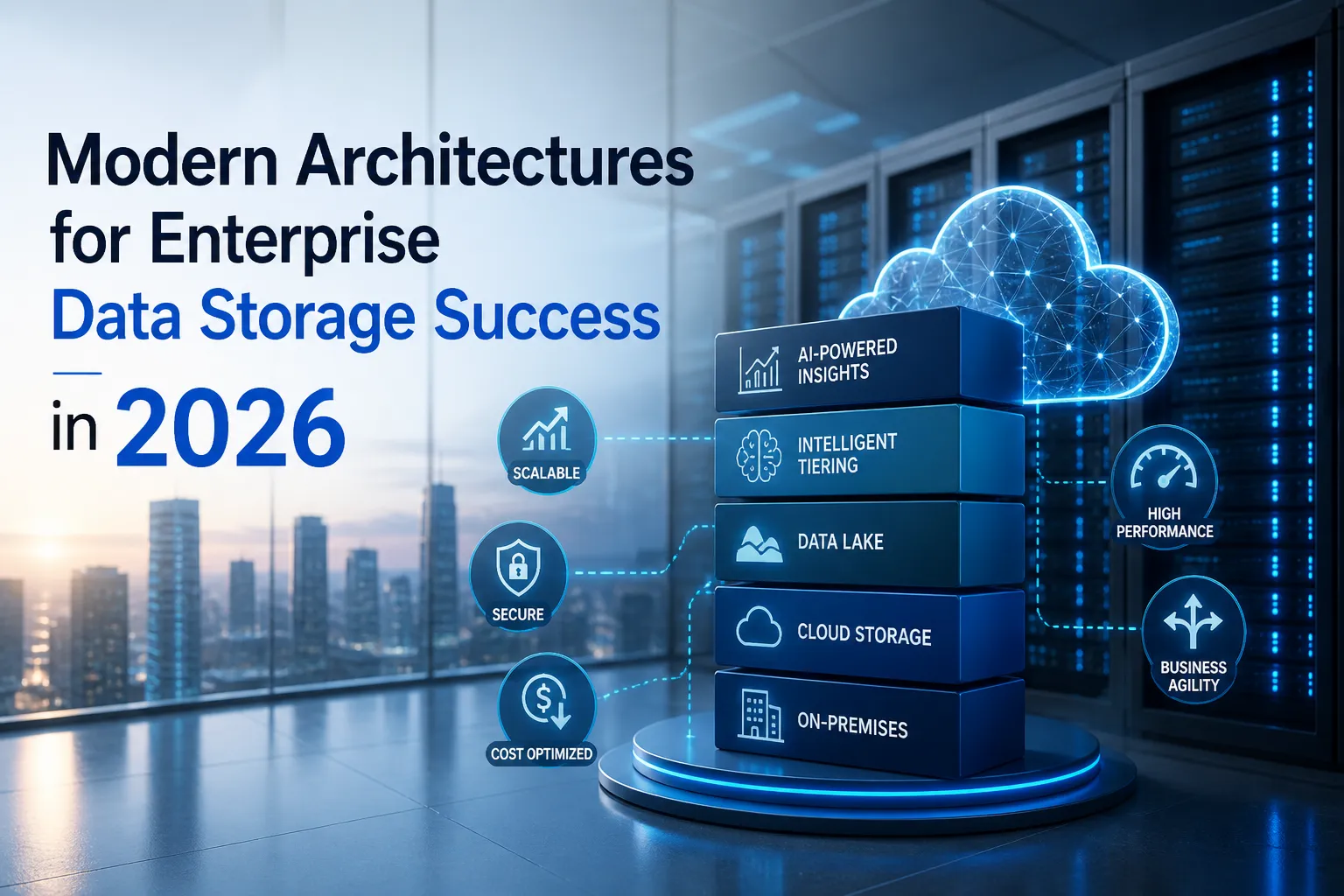
For a long time, businesses felt forced to choose between the absolute control of on-premises hardware and the infinite scalability of the public cloud. However, the current trend in enterprise data storage favors a hybrid approach that captures the best of both worlds. By keeping mission-critical, high-security workloads on private flash arrays while offloading archival and backup tasks to the cloud, companies achieve a level of balance that was previously impossible. This middle ground allows for localized speed where it matters most—such as real-time transaction processing—while maintaining the elastic capacity needed to handle sudden spikes in demand without the massive upfront capital expenditure of buying more physical disks.
Enterprise Data Storage: Ensuring Resilience in a High Threat Environment
Security is no longer an afterthought in the realm of enterprise data storage; it is woven into the very fabric of the architecture. With the rise of sophisticated cyber threats, storage systems must now be "self-healing" and "immutable." An immutable storage setup ensures that once data is written, it cannot be altered or deleted for a set period, providing a foolproof safety net against ransomware attacks. If a primary system is compromised, the business can roll back to a clean, unchangeable copy of their environment within minutes. This level of cyber-resiliency is the new gold standard, transforming storage from a passive bucket of files into an active line of defense for the entire corporate network.
Performance Optimization for High Velocity Analytics
Speed remains a primary motivator for upgrading enterprise data storage solutions. The transition from traditional Hard Disk Drives (HDDs) to NVMe-based All-Flash Arrays has fundamentally changed what software can do. High-velocity analytics, which require scanning petabytes of information to find market trends, simply cannot function on spinning platters. These modern flash systems offer sub-millisecond latency, allowing artificial intelligence models to train faster and business intelligence tools to deliver insights in real-time. This performance boost ripples throughout the company, improving employee productivity and ensuring that customer-facing applications remain snappy and responsive even under heavy loads.
Managing Costs Through Intelligent Data Lifecycle Policies
One of the greatest risks in enterprise data storage is the "hoarding" mentality, where every byte is kept on the most expensive, high-performance tier indefinitely. Intelligent management software now uses machine learning to identify "cold" data—information that hasn't been accessed in months—and automatically moves it to cheaper, high-capacity object storage. This automated lifecycle management ensures that companies aren't overpaying for storage that isn't being actively used. By refining these policies, a business can significantly reduce its operational expenses while ensuring that if that old data is ever needed again for a legal audit or historical comparison, it remains accessible and indexed within the system.
The Role of Software Defined Architectures
We are seeing a massive departure from proprietary hardware locks toward software-defined enterprise data storage. This shift allows organizations to run their storage management layers on standard, off-the-shelf servers, decoupling the intelligence of the system from the physical hardware. This flexibility prevents "vendor lock-in" and gives IT leaders the freedom to swap out hardware components as they become cheaper or more efficient without having to rewrite their entire data management protocol. It fosters an environment of continuous improvement where the storage layer can grow and adapt alongside the business, rather than becoming a bottleneck that requires a forklift upgrade every five years.
Sustainability and the Green Data Center
As global focus shifts toward environmental responsibility, the energy consumption of enterprise data storage has come under intense scrutiny. Large-scale storage arrays consume vast amounts of electricity and require massive cooling systems, contributing significantly to a company's carbon footprint. Modern innovations are focusing on high-density drives that store more information in a smaller physical footprint, as well as sophisticated power management features that spin down unused components during low-traffic periods. Choosing energy-efficient storage solutions is no longer just about being a good corporate citizen; it is increasingly a requirement for meeting ESG (Environmental, Social, and Governance) goals and reducing the long-term utility costs associated with running a massive digital infrastructure.
Conclusion
Building a robust strategy for enterprise data storage is a multifaceted challenge that requires a deep understanding of technology, security, and economics. It is the foundation upon which all other digital initiatives—from AI implementation to global remote work—are built. By prioritizing a hybrid approach, investing in immutable security, and embracing software-defined flexibility, organizations can ensure that their information is not just stored, but is actively working to drive the business forward. The future belongs to those who view their storage infrastructure as a strategic asset rather than a utility, ensuring they are prepared for whatever data-driven challenges the next decade may bring.





















Sign in to leave a comment.