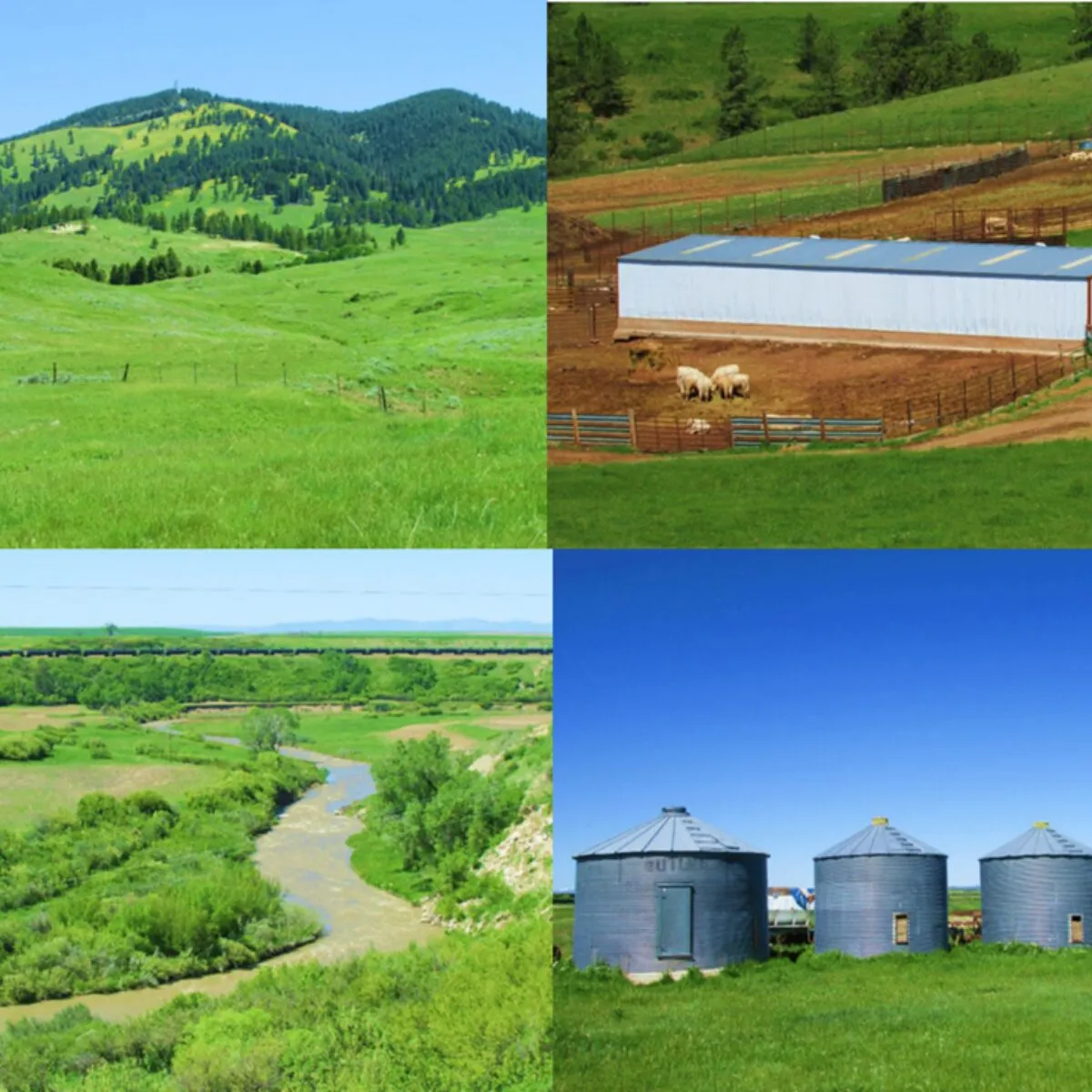

Agricultural land has long been considered one of the most stable and valuable real estate investments in the United States. From crop production and livestock operations to recreational ranches and long-term land appreciation, farmland offers multiple opportunities for both experienced investors and first-time buyers.
However, purchasing agricultural property often requires a different financing approach than traditional residential or commercial real estate. Understanding how agricultural funding works can help buyers make smarter financial decisions and move forward with greater confidence.
Whether you are planning to start a farming operation, expand existing acreage, or invest in rural property, learning about financing options is an important first step toward success.
Why Agricultural Land Remains a Strong Investment
Farmland continues to attract investors because of its long-term value potential and growing demand. Agricultural property may provide income opportunities through farming operations, leasing arrangements, livestock production, or future development possibilities.
In many regions across the United States, farmland values have remained resilient even during economic fluctuations. Population growth, food demand, and limited available acreage continue to support the long-term importance of agricultural property.
Many buyers also view agricultural land as a tangible asset that can diversify investment portfolios while offering potential tax and operational benefits.
Understanding Agricultural Property Financing
Financing agricultural property is different from obtaining a standard residential mortgage. Lenders evaluate several additional factors because farmland often involves operational risks, seasonal income, and specialized land usage.
Farm land financing solutions may be used for:
- Crop-producing farmland
- Ranches and livestock properties
- Recreational land
- Timberland
- Rural investment acreage
- Agricultural development projects
Some loans may also include funding for barns, irrigation systems, fencing, equipment storage, or other agricultural improvements.
Because agricultural property values and income potential vary significantly by location and usage, lenders carefully review both the borrower’s financial position and the property itself.
Factors Lenders Evaluate Before Approval
Agricultural financing approvals depend on several important factors. Understanding these requirements can help buyers prepare more effectively before applying.
Property Location and Land Quality
The location, soil quality, water access, and overall productivity of the land all influence financing decisions. Properties with strong agricultural potential may qualify more easily for funding.
Lenders may also evaluate:
- Irrigation systems
- Access roads
- Utility availability
- Environmental conditions
- Existing structures or improvements
Intended Property Use
Lenders often want to understand how the borrower plans to use the property. Farming operations, livestock production, leasing strategies, and recreational use can all affect financing structures.
A clear operational or investment plan demonstrates preparedness and may strengthen the loan application.
Borrower Financial Stability
Income, credit history, liquidity, and debt obligations remain important factors during the approval process. Some lenders may also consider agricultural experience, especially for operational farm properties.
Strong financial records and organized documentation can improve approval chances and financing flexibility.
Common Financing Options for Agricultural Land
There are several financing solutions available for buyers interested in agricultural property purchases.
Traditional Agricultural Loans
Conventional agricultural loans are often available through banks and farm credit institutions. These loans may offer longer repayment terms but can involve stricter qualification standards and longer approval timelines.
Private Lending Solutions
Private lenders provide more flexible financing structures for borrowers who may need faster approvals or customized loan terms. This can be especially helpful for time-sensitive property acquisitions or unique land opportunities.
Land Loans
Land loans are designed specifically for purchasing undeveloped or partially improved property. Loan structures may vary depending on whether the property is actively producing income.
Construction and Improvement Financing
Some buyers require additional funding to build barns, irrigation systems, fencing, or agricultural infrastructure after purchasing the land.
Why Buyers Choose Private Lenders
Traditional financing institutions may not always accommodate every agricultural property transaction. Some buyers face challenges because of:
- Non-traditional income sources
- Unique land usage plans
- Limited farming history
- Rural property complexities
- Tight acquisition timelines
Private lenders often provide more adaptable financing solutions designed around the property’s potential and the borrower’s investment strategy.
Farm land financing through private lending can help buyers move quickly on opportunities while maintaining flexibility throughout the acquisition process.
Private lenders may also provide faster closings and customized loan structures that align with agricultural investment goals.
Important Costs Buyers Should Consider
Purchasing agricultural land involves more than just the property price. Buyers should carefully plan for additional expenses that may affect long-term profitability.
Important costs may include:
- Property taxes
- Insurance
- Irrigation systems
- Equipment purchases
- Utility installation
- Soil improvements
- Fencing and maintenance
- Operational labor expenses
Creating a realistic budget before purchasing property helps reduce financial surprises later.
Conducting Proper Land Research
Before purchasing agricultural property, buyers should conduct thorough due diligence to evaluate the land’s long-term value and usability.
Research areas may include:
- Water rights
- Zoning regulations
- Environmental restrictions
- Soil quality reports
- Flood zone risks
- Nearby infrastructure and development
Working with agricultural consultants, land specialists, and experienced lenders can help buyers avoid costly mistakes.
Building Long-Term Agricultural Investment Success
Agricultural property ownership can create valuable long-term opportunities when supported by proper planning and financing. Whether the goal is farming operations, investment growth, or land development, securing the right financing structure is essential for long-term success.
Farm land financing solutions provide buyers with access to funding tailored to agricultural property acquisitions and rural investment opportunities. By understanding financing requirements, preparing strong financial documentation, and working with experienced lending professionals, buyers can move forward confidently in today’s agricultural real estate market.
Private Capital Investors offers flexible financing solutions designed to help borrowers secure agricultural property and pursue long-term investment opportunities across the United Stat

























Sign in to leave a comment.